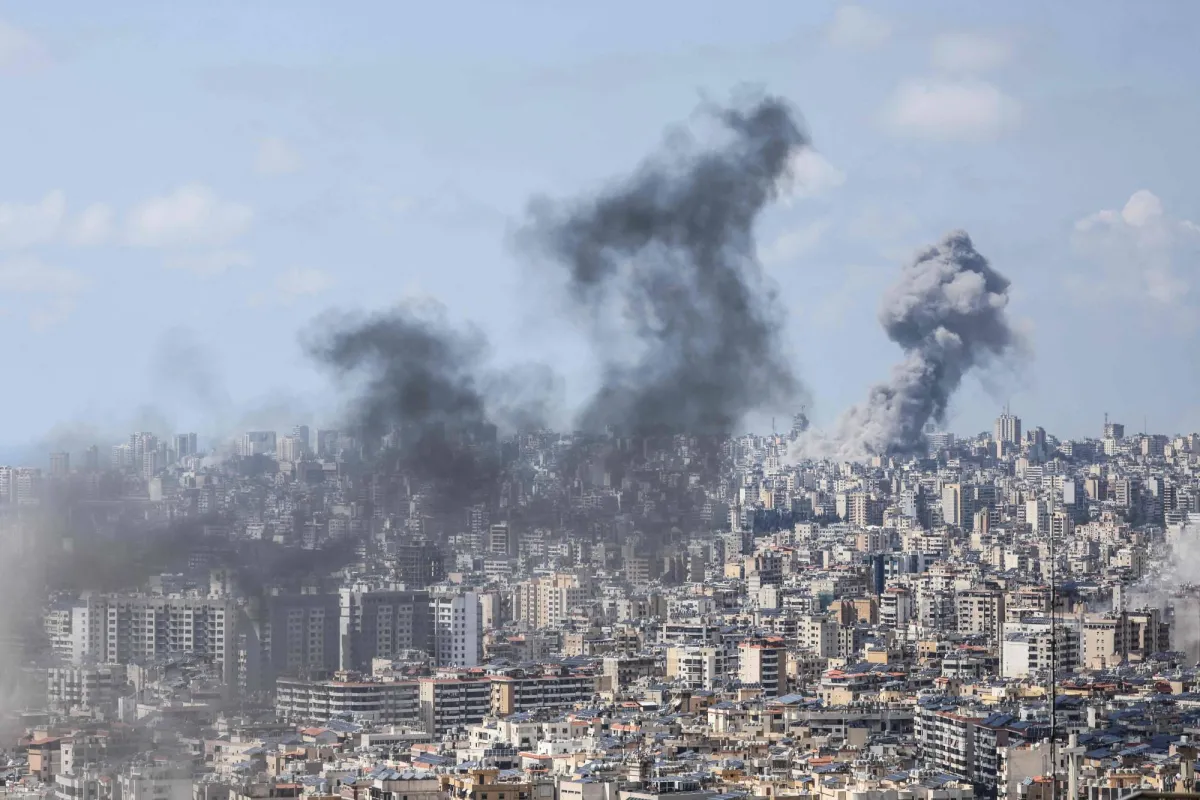
On Wednesday, the Israeli army conducted its largest bombing campaign on Lebanese territory since Hezbollah, an Iranian-aligned group, entered the conflict that began on March 2. The military confirmed that it targeted approximately 100 military installations and infrastructure belonging to Hezbollah in multiple areas, including Beirut, the Beqaa Valley, and southern Lebanon.
In an official statement, the Israeli army noted that this strike is considered the largest since the launch of Operation Roar of the Lion, executed within a mere 10 minutes, indicating a high level of coordination in the attacks. The Lebanese National News Agency reported a wave of Israeli strikes targeting several neighborhoods in the Lebanese capital simultaneously.
Details of the Event
A Lebanese security source confirmed to Reuters that this round of bombings is the most intense Lebanon has witnessed since the onset of the war. In his first comments regarding the ceasefire announcement and the debate over Lebanon's inclusion in the agreement, Lebanese Prime Minister Nawaf Salam stated, "No one negotiates about Lebanon except the Lebanese state." Salam emphasized that the Lebanese government is working to extricate the country from the predicament it finds itself in against its will.
Meanwhile, Lebanese Parliament Speaker Nabih Berri indicated that Lebanon is included in the ceasefire agreement with Iran, noting that the Israelis have yet to adhere to it. Berri explained that he communicated with the Pakistani side to inform them of Tel Aviv's non-compliance with the ceasefire and requested them to exert pressure on Israel.
Background & Context
These developments coincide with rising tensions in the region, as Hezbollah's latest statements regarding operations against Israelis were issued prior to the ceasefire announcement. Israel has also renewed its warnings to residents of the southern Zahrani River area and the southern suburbs of Beirut, reflecting the ongoing instability in the region.
At the same time, sources close to Hezbollah reported that the group ceased fire on northern Israel during the early hours of Wednesday, as part of the ceasefire announced between the United States and Iran. However, Israel continued its airstrikes on southern Lebanon and issued new evacuation warnings for the city of Tyre.
Impact & Consequences
These events illustrate the escalating intensity of the conflict in the region, with Israeli bombings on Lebanon representing a serious escalation that could exacerbate humanitarian conditions. Furthermore, non-compliance with the ceasefire may increase instability in Lebanon and negatively impact peace efforts in the region.
Concerns are growing that these strikes could provoke responses from Hezbollah, potentially dragging the region into further escalation. The continuation of military operations could also affect the economic and social situation in Lebanon, which is already grappling with multiple crises.
Regional Significance
These developments hold significant importance for the Arab region, reflecting the ongoing tensions between Israel and Hezbollah. The military escalation may also impact relations between Arab states and Iran, complicating the political landscape in the area.
In conclusion, the situation in Lebanon remains alarming, with increasing calls for de-escalation and dialogue amid ongoing military and economic pressures.