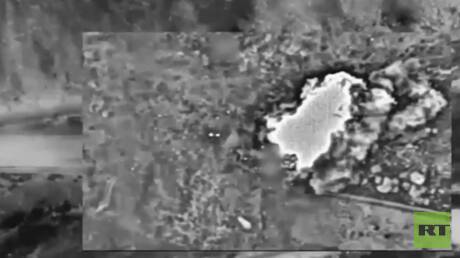
The Israeli army has carried out intensive strikes over the past twenty-four hours, targeting more than 150 Hezbollah infrastructures. The published footage documenting these operations reflects a significant escalation in the ongoing conflict between the two parties.
These attacks come at a sensitive time, as tensions in the region are rising, raising concerns about a larger escalation that could impact regional stability. The footage released by the Israeli army demonstrates the precision of the strikes and their impact on the targeted sites.
Details of the Attacks
The Israeli strikes included targeting multiple Hezbollah sites, including weapon storage facilities and command centers. The Israeli army indicated that these operations are part of its strategy to diminish Hezbollah's capacity to carry out operations against Israel.
Israeli military sources confirmed that these attacks aim to send a strong message to Hezbollah, indicating that any threat to Israeli security will not be tolerated. These operations have elicited mixed reactions from the international community, with some countries calling for restraint.
Background & Context
Historically, the relations between Israel and Hezbollah have been marked by increasing tensions, especially following the war that erupted in 2006. Since then, clashes and military operations have continued, exacerbating the situation in both Lebanon and Israel.
These recent attacks are part of a broader Israeli strategy aimed at undermining Hezbollah's influence in the region, particularly in light of ongoing Iranian support for the group. As regional pressures mount, Israel seeks to bolster its security posture.
Impact & Consequences
These attacks could lead to a greater escalation in the conflict, threatening regional security. Some analyses have warned that continued military operations may provoke retaliatory responses from Hezbollah, potentially dragging the region into a wider conflict.
Moreover, these developments could affect relationships between major powers in the region, as some nations seek to mediate in the dispute. Such events may lead to a reassessment of military and political strategies by the involved parties.
Regional Significance
These events indicate a rise in tensions in the Middle East, with growing fears of new conflicts erupting. These developments may impact neighboring countries, particularly Lebanon, which is already grappling with economic and political crises.
The military escalation could also affect peace and stability efforts in the region, as many countries strive for peaceful settlements. Under these circumstances, the situation in the region remains fragile, necessitating close monitoring by the international community.
In light of the current escalation, there remains hope that the involved parties can reach peaceful solutions, avoiding further escalation that could threaten security and stability in the region.