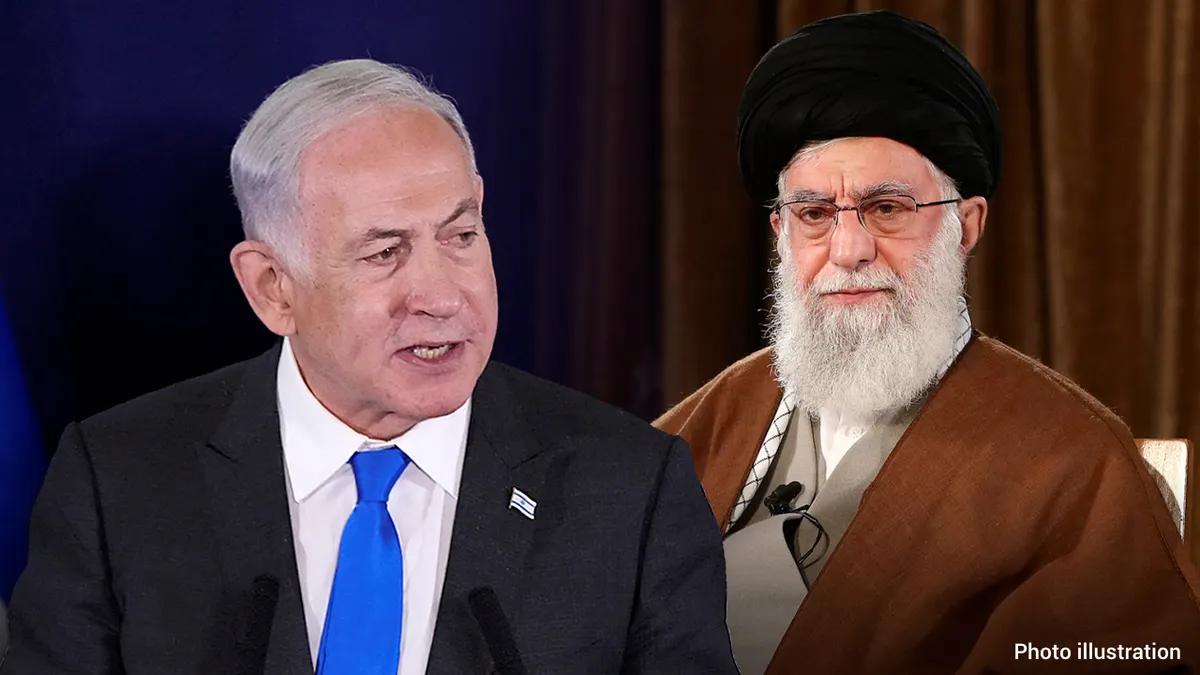
Amid rising regional tensions, informed sources told CNN that the Israeli army has been placed on high alert, preparing to execute airstrikes against Iran. This comes as the deadline set by President Donald Trump for Tehran to reopen the Strait of Hormuz approaches, highlighting escalating fears of a potential military escalation in the area.
This move by Israel is part of its ongoing strategy to counter Iranian threats, particularly in light of what Tel Aviv perceives as a direct threat to its national security. Reports indicate that the Israeli army has bolstered its military capabilities in border areas, increasing the likelihood of military operations should Iran fail to respond to U.S. demands.
Details of the Situation
The deadline set by Trump pertains to the reopening of the Strait of Hormuz, one of the world's most vital waterways, through which about 20% of global oil passes. Trump has previously indicated that any Iranian actions could lead to severe consequences, thereby increasing pressure on Tehran.
In this context, Israeli officials have confirmed that they are closely monitoring the situation and are prepared to respond to any threats that may arise from Iran. Iranian military movements in the region have been observed, further heightening tensions between the two sides.
Background & Context
The roots of tensions between Iran and Israel extend back many years, with Israel viewing Iran as an existential threat, particularly due to its support for armed factions in the region such as Hezbollah. Recent years have seen an escalation in mutual attacks between the two parties, increasing the likelihood of an all-out military conflict.
Moreover, the U.S. stance on Iran has undergone significant changes in recent years, with the Trump administration taking stringent measures against Tehran, including withdrawing from the nuclear agreement and reimposing sanctions. These policies have contributed to heightened tensions in the region and made diplomatic solutions more challenging.
Impact & Consequences
If Israel were to carry out airstrikes against Iran, it could lead to a significant escalation in the region, with Iran likely to retaliate in various ways, either by targeting Israeli interests or through its regional allies.
Additionally, any military escalation could impact global oil prices, as the Strait of Hormuz is a critical transit point for oil shipments. Thus, any potential closure of the strait could result in a substantial increase in oil prices, affecting the global economy.
Regional Significance
The Arab countries neighboring Iran and Israel find themselves in a sensitive position, as any military escalation could affect the stability of the entire region. Gulf states, in particular, may be directly impacted due to their proximity to the conflict, raising their security concerns.
The situation may also reopen discussions on regional security, as Arab nations might seek to strengthen their alliances to counter potential threats. In this context, there may be an urgent need for coordination among Arab states to address the increasing security challenges.
In conclusion, the situation in the region remains tense, with growing fears of military escalation that could have serious implications for regional and international security. The international community must work to de-escalate tensions and avoid any escalation that could lead to a comprehensive conflict.