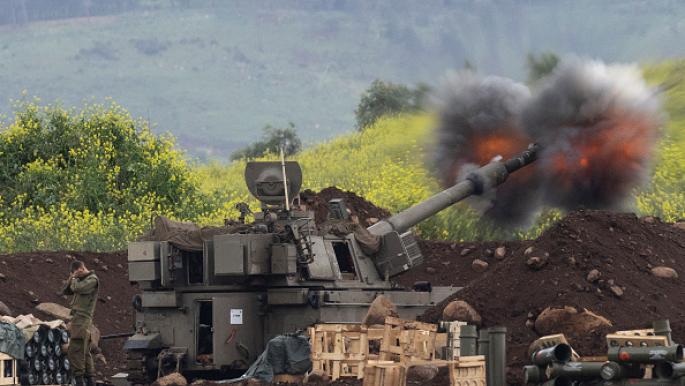
An Israeli security official has stated that the Israeli army may continue its presence in southern Lebanon for years, in the context of the ongoing war against Iran. This statement comes as the Israeli army continues its ground military maneuvers in the region, aiming to deepen what it describes as the "buffer security zone."
These developments coincide with a full month since the outbreak of the war against Iran, further complicating the security situation in the region. This statement reflects Israeli military trends that seek to enhance its presence in border areas, especially amid increasing tensions with Hezbollah.
Details of the Event
The Israeli military maneuvers continue in southern Lebanon, where the Israeli army is stationed near the Lebanese border. These maneuvers aim to enhance Israeli defensive capabilities and provide a more stable security environment, according to Israeli military plans.
Israeli officials consider these maneuvers necessary to counter potential threats from Hezbollah, which the Israeli army views as one of the main security challenges in the region. This comes amid escalating tensions between Iran and Israel, with Tel Aviv accusing Tehran of supporting armed groups in the area.
Background & Context
Historically, relations between Israel and Lebanon have seen increasing tensions, especially following repeated wars between the two sides. Since 2006, when the Second Lebanon War broke out, Israel has sought to enhance its military presence in southern Lebanon, viewing it as a strategic area for protecting its borders.
In recent years, Israeli military activities in the region have increased, coinciding with rising threats from Hezbollah. Additionally, the war against Iran could significantly impact the security situation in Lebanon, prompting Israel to take precautionary measures to bolster its security.
Impact & Consequences
The continuation of Israeli military maneuvers in southern Lebanon may escalate tensions in the region, threatening Lebanon's stability and intensifying the conflict. These steps could also affect relations between Israel and Arab countries, particularly those striving for peace and stability in the region.
These developments are likely to provoke reactions from Hezbollah, which may view these maneuvers as a direct threat to its security. Consequently, we may witness an escalation in military operations between the two sides, further complicating the security situation in Lebanon.
Regional Significance
The situation in Lebanon is part of the larger picture of the conflict in the Middle East, where regional powers play a significant role in shaping the course of events. The continuation of Israeli military operations could affect stability in neighboring countries such as Syria and Palestine, complicating humanitarian and political conditions in the region.
Under these circumstances, Arab countries must be more cautious in dealing with regional crises and work to enhance dialogue and understanding between different parties to avoid military escalation.
In conclusion, the Israeli army's continuation of maneuvers in southern Lebanon reflects the increasing security challenges in the region and underscores the importance of seeking peaceful solutions to ongoing conflicts. Amid rising tensions, hope remains pinned on diplomacy as a means to achieve stability and peace in the region.