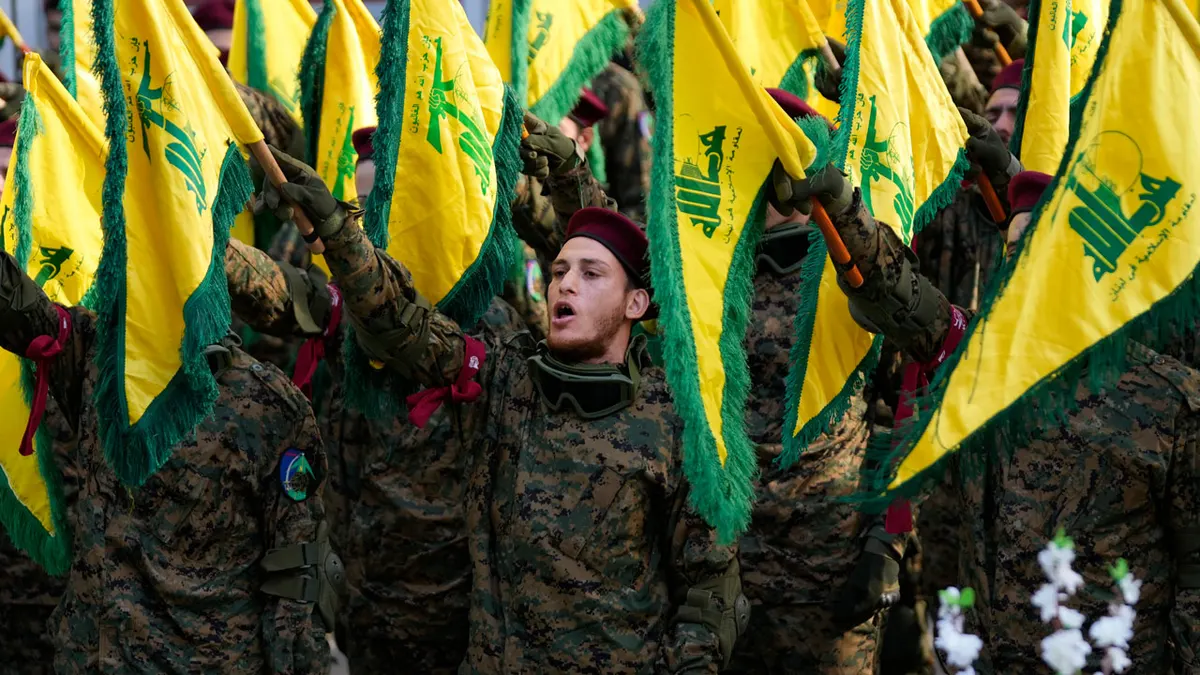
The Israeli newspaper "Maariv" reported on Saturday that the Israeli army is planning to expand its combat operations against the Lebanese "Hezbollah". This comes as the Israeli army discusses deepening ground maneuvers in southern Lebanon, where Hezbollah fighters are confronting the invading forces, claiming to inflict casualties among them, all under strict surveillance imposed by Tel Aviv on the losses.
Through these plans, Israel seeks to strengthen its military positions in the region amid increasing tensions along the Lebanese border. These developments come at a time when concerns are rising over the escalation of hostilities between the two sides, threatening the stability of the region as a whole.
Details of the Event
According to the newspaper, the Israeli army intends to expand its military operations in Lebanon, targeting Hezbollah positions. The army has indicated that it is focusing on enhancing its ground capabilities in the southern areas, where it is believed that Hezbollah possesses a stockpile of advanced weaponry. These plans come at a time when the Israeli army faces significant challenges in confronting Hezbollah fighters, who have demonstrated the ability to repel Israeli attacks.
In response, Hezbollah continues to assert its capability to confront Israeli forces, announcing that it has inflicted losses on the Israeli army during recent clashes. It appears that the group is seeking to strengthen its position in Lebanon through these operations, further complicating the security situation in the region.
Background & Context
The roots of the conflict between Israel and Hezbollah date back decades, with the region witnessing numerous wars and disputes. Hezbollah was established in the 1980s as a resistance movement against the Israeli occupation of Lebanon, and since then, its military capabilities have significantly evolved. The group fought a war with Israel in 2006, which resulted in heavy losses for both sides.
These developments coincide with escalating tensions in the region, as Israel continues to carry out military operations against targets in Syria and Lebanon, increasing the risks of escalation. Additionally, the political situation in Lebanon is suffering from turmoil, further complicating the security landscape.
Impact & Consequences
The Israeli army's plans to expand combat against Hezbollah could lead to a significant escalation in hostilities, threatening the stability of Lebanon and the region as a whole. If a new war breaks out, it could have serious humanitarian repercussions, as the Lebanese people are already suffering from economic and social crises.
Moreover, any military escalation could affect relations between Arab countries and Israel, as some nations seek to improve their ties with Tel Aviv. This escalation could lead to a reevaluation of regional alliances, creating an unstable environment in the region.
Regional Significance
The current developments in the conflict between Israel and Hezbollah are of great importance to the Arab region, as Arab countries are closely monitoring the rising tensions. Any military escalation could impact peace and stability efforts in the region, exacerbating divisions among Arab states.
Furthermore, the situation in Lebanon could affect regional security, as neighboring countries may be impacted by the conflict, increasing humanitarian and economic burdens on the region. Ultimately, the current situation requires an urgent diplomatic solution to avoid further escalation.