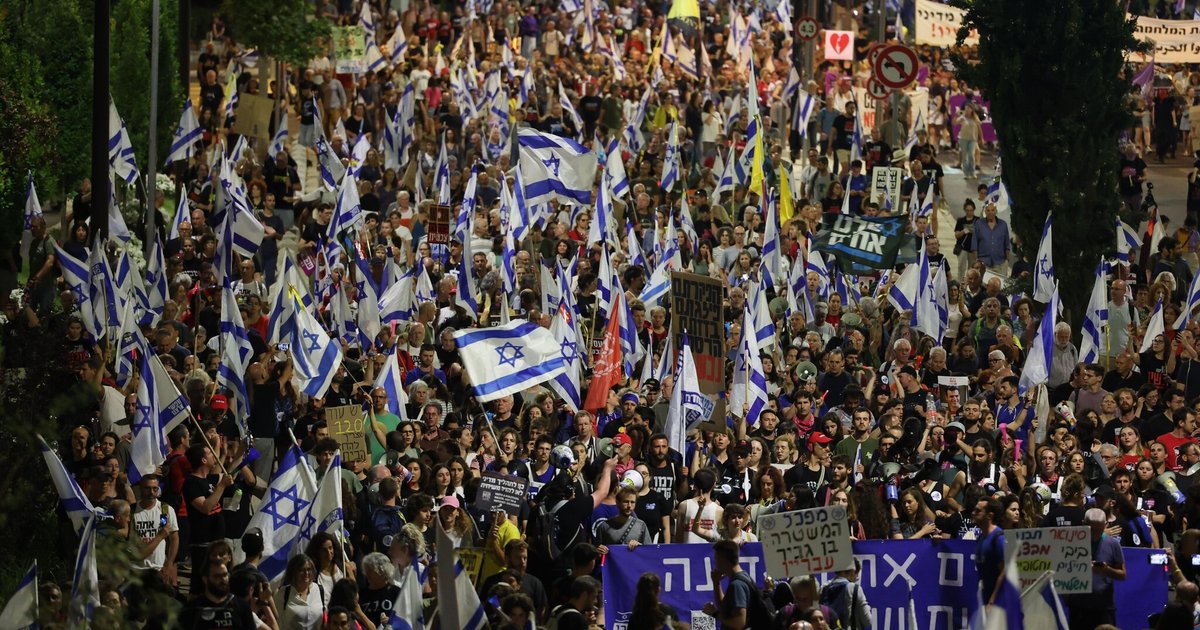
In a controversial move, the Israeli Defense Forces (IDF) have declared their intention to collaborate with the Israeli police to address the growing public protests against the government. This decision comes as tensions escalate between the government and citizens, with demonstrators expressing their dissatisfaction with current government policies.
Under the leadership of National Security Minister Itamar Ben Gvir, known for his hardline stance, the government is seeking to impose control over protests erupting across the country. Ben Gvir indicated that this step aims to maintain public order and ensure the safety of citizens.
Details of the Protests
Israel has been witnessing widespread protests against the government for several months, with demonstrators calling for changes in economic and social policies. These protests have notably intensified following the government's controversial decisions, leading to widespread public discontent.
The army's collaboration with the police is part of a comprehensive plan aimed at enhancing security and stability in the country. This plan was announced at a sensitive time, as fears of escalating violence during the protests grow.
Background & Context
Historically, Israel has seen numerous public protests reflecting citizens' discontent with government policies. Protests in Israel are often driven by social and economic issues, such as rising living costs and unemployment.
In recent years, the intensity of these protests has increased, especially with the rise of political tensions. Government policies have led to a division within Israeli society, making it challenging for the government to effectively address these protests.
Impact & Consequences
This move could escalate tensions between the government and citizens, as many feel that the collaboration between the army and police may intensify repression against protesters. This cooperation may also reflect a shift in the government's strategy towards handling opposition.
The ongoing protests could impact political stability in Israel, potentially leading to changes in government or even early elections if the situation continues to deteriorate.
Regional Significance
The events in Israel are of significant importance to the Arab region, as the internal tensions in Israel have broader implications for Israeli-Arab relations. Additionally, the protests may influence the Israeli government's stance on Palestinian issues, potentially escalating tensions in the occupied territories.
In conclusion, the situation in Israel remains volatile, with protests increasing and relations between the government and citizens becoming more complicated. The government must take serious steps to address the issues raised, or the situation may escalate further.