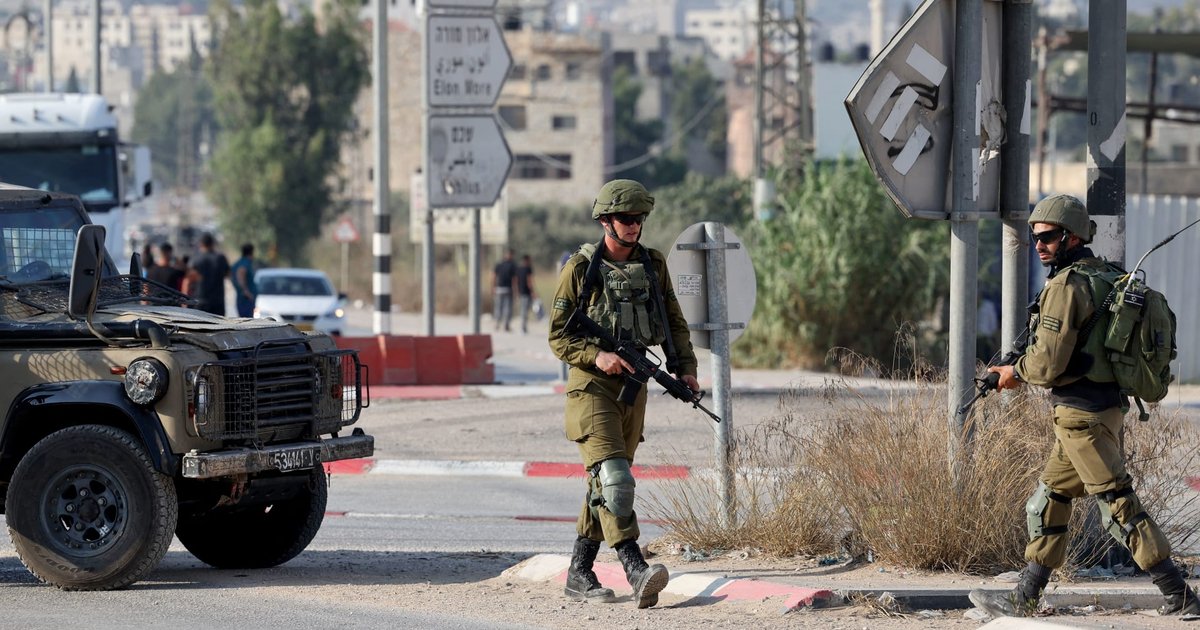
The Israeli army acknowledged on Thursday a severe shortage of around 15,000 soldiers, including 7,000 to 8,000 fighters, at a time when operational tasks are increasing across various fronts. This statement was made by the Israeli army spokesperson, Ivy Dvirin, who confirmed that the current situation necessitates bolstering forces in Lebanon, the Gaza Strip, the West Bank, and Syria.
Dvirin pointed out that the Chief of Staff, Eyal Zameer, is required to provide a comprehensive assessment of the army's situation, emphasizing the need to pass the recruitment law for the religious individuals known as Haredim, who refuse to enlist in military service.
Details of the Situation
Earlier, Zameer warned that the army is heading towards internal collapse due to increasing operational burdens and the failure to approve recruitment laws. According to the newspaper Yedioth Ahronoth, the army faces significant challenges regarding the recruitment of religious individuals, as the new recruitment law aims to impose gradual quotas on the Haredim, along with financial and criminal penalties for those refusing service.
This law faces strong opposition from religious parties, sparking widespread debate about the future of the Israeli army, which is confronting one of its largest structural challenges in decades. In this context, the Haredim continue their protests against military service following a Supreme Court decision on June 25, 2024, mandating their enlistment.
Background & Context
The Haredim represent about 13% of Israel's population, which numbers around 10 million people. They refuse military service on the grounds of dedicating their lives to studying the Torah, asserting that integration into secular society threatens their religious identity and the continuity of their community.
Israeli law requires every Israeli citizen over the age of 18 to serve in the military, but the service period for females is limited to 24 months. This situation reflects the social and political challenges facing Israel amid ongoing tensions in the region.
Impact & Consequences
The leader of the Israeli opposition, Yair Lapid, has sounded the alarm, warning that Israel is heading towards a security disaster. In a televised statement, Lapid said, "The Israeli army has reached its maximum capacity and more, and the government is allowing the army to bleed on the battlefield." He also accused the government of involving the army in a "multi-front war without strategy, without the necessary means, and with far too few soldiers."
Israel currently occupies areas in southern Lebanon, some for decades and others since the last war that took place between October 2023 and November of the following year. This situation reflects the security challenges Israel faces, as it refuses to withdraw and establish an independent Palestinian state in accordance with United Nations resolutions.
Regional Significance
The repercussions of the recruitment crisis in the Israeli army extend beyond internal borders, raising fears of escalating tensions in the region. As the burdens on the army increase, the likelihood of military escalation on various fronts may rise, affecting regional security.
This situation serves as a warning to Arab countries, necessitating the enhancement of their defensive capabilities and preparedness to face any potential escalation. Additionally, the ongoing tensions in Israel could impact peace efforts in the region and complicate political situations further.
In conclusion, the recruitment crisis in the Israeli army reflects deep structural challenges, necessitating a reevaluation of military and social policies in the country. Failing to address these issues could lead to serious repercussions for security and stability in the region.