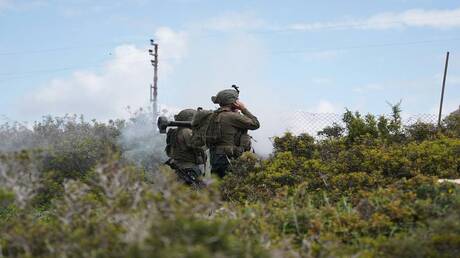
Israeli military sources report that the Northern Command is preparing to bolster forces in southern Lebanon, confirming there is currently no intention to advance north into deeper Lebanese territory.
These statements come at a sensitive time, as Israeli forces continue their operations in the area, reflecting a clear strategy to focus on specific targets in the south without expanding northward.
Details of the Situation
Sources confirmed that the reinforcement of troops is part of preparations to face any potential threats from the Lebanese side, with Israeli leadership closely monitoring the situation. This step is considered part of a comprehensive strategy aimed at securing the southern borders and enhancing military presence in the area.
The situation in Lebanon remains tense, as armed groups continue their activities, complicating the security landscape. In this context, Israel aims to maintain a balance of power in the region, focusing on avoiding escalation in military conditions.
Background & Context
Historically, the Lebanese-Israeli border has witnessed ongoing tensions, particularly amid repeated conflicts between Israel and Hezbollah. Since the 2006 war, Israel has taken multiple steps to enhance its military presence in southern Lebanon, attempting to prevent any potential attacks.
These measures are part of a broader Israeli policy aimed at protecting national security, focusing on strengthening military forces in border areas. Additionally, the political situation in Lebanon, including economic and social crises, contributes to increasing tensions in the region.
Impact & Consequences
The reinforcement of Israeli forces in the south could lead to heightened tensions between the two sides, raising fears of a new conflict. Should any escalation occur, it could significantly impact regional stability and increase the suffering of civilians in Lebanon.
This situation may also reflect on international relations, as major powers closely monitor developments in the region. Any escalation could prompt international interventions, further complicating conditions in the Middle East.
Regional Significance
The situation in Lebanon is part of a broader regional landscape, where military tensions affect neighboring countries. Any escalation at the Lebanese-Israeli border could impact security in Syria and Jordan, increasing the challenges these countries face.
Furthermore, the economic and social crises in Lebanon could lead to a flow of refugees into neighboring countries, posing an additional challenge for these nations. Therefore, the situation in Lebanon requires careful monitoring, as any developments could affect overall regional stability.