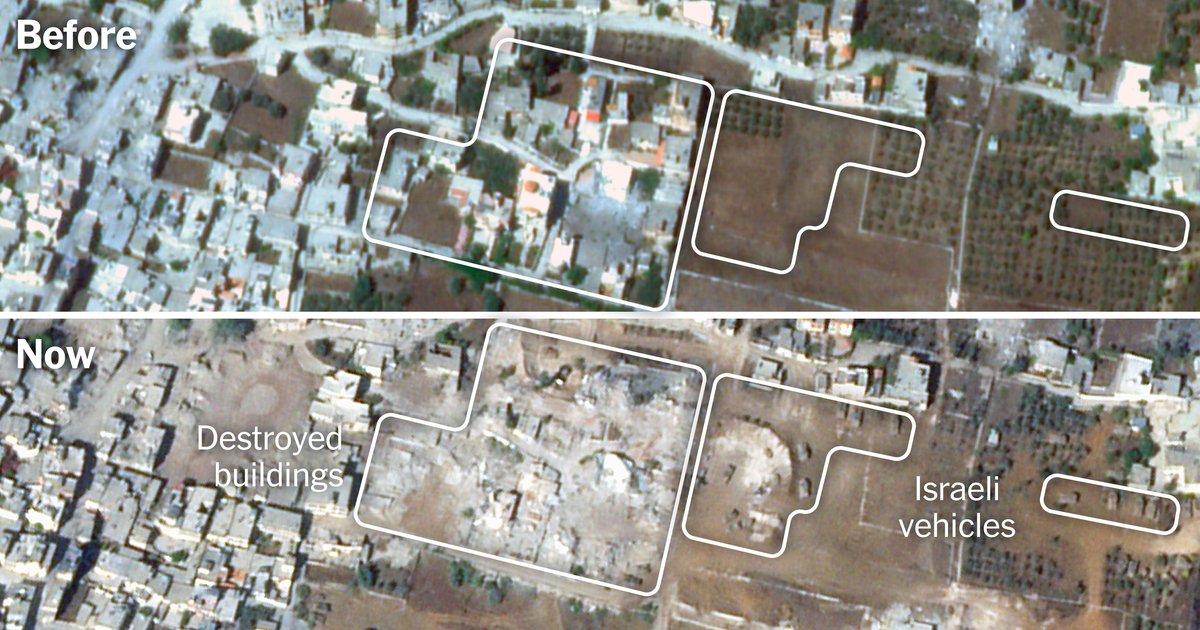
The Israeli Defense Forces (IDF) have reoccupied areas in Lebanon that were previously under their control before the ceasefire agreement with Hezbollah reached in 2024. This escalation occurs at a time when the Lebanese army has withdrawn from these areas, raising questions about the security situation in the region and its impact on Lebanese-Israeli relations.
The Israeli military movements come amid rising tensions between the two sides, as the Lebanese-Israeli border has witnessed numerous clashes and military operations in recent years. This step appears to reflect a new Israeli strategy aimed at strengthening control over border areas deemed sensitive to its national security.
Details of the Event
According to military sources, the Israeli army has begun its military operations in areas that were under its control before the ceasefire, with intensive movements of Israeli forces observed in those regions. This escalation coincides with the withdrawal of the Lebanese army, raising fears of worsening security conditions in the area.
The Israeli maneuvers include reinforcing troops in border areas, as well as conducting aerial and ground reconnaissance operations. This occurs at a time when Lebanon is suffering from multiple internal crises, making it difficult for the Lebanese army to bolster its presence in those areas.
Background & Context
Historically, the Lebanese-Israeli border has been a theater for numerous armed conflicts, with the region experiencing wars and multiple conflicts over the decades. In 2006, the Second Lebanon War erupted between the Israeli army and Hezbollah, resulting in heavy losses on both sides. Since then, several ceasefire agreements have been reached, but tensions have not subsided.
In 2024, a ceasefire agreement was reached between Israel and Hezbollah, which was considered a step towards calming the situation in the region. However, recent events indicate that this agreement may be at risk, as Israeli military operations return to the forefront.
Impact & Consequences
This move by the Israeli army is seen as a serious escalation that could exacerbate the security situation in the region. Military operations are likely to provoke reactions from Hezbollah, which may increase tensions and affect Lebanon's stability.
Moreover, this escalation could impact relations between Lebanon and Israel, complicating peace efforts in the region. The economic and social conditions in Lebanon may also be adversely affected by these tensions, further increasing the suffering of the Lebanese people who are already grappling with multiple crises.
Regional Significance
The situation in Lebanon is part of the larger picture of security and stability in the Arab region. The military escalation between Israel and Hezbollah could affect neighboring countries and heighten tensions in the Middle East. Additionally, these events may influence regional and international policies, as many countries seek to achieve stability in the area.
In conclusion, the Israeli army's reoccupation of areas in Lebanon signifies a dangerous escalation that could impact the security situation in the region. It is important to closely monitor developments, as any further escalation could have widespread repercussions for Lebanon and its neighboring countries.