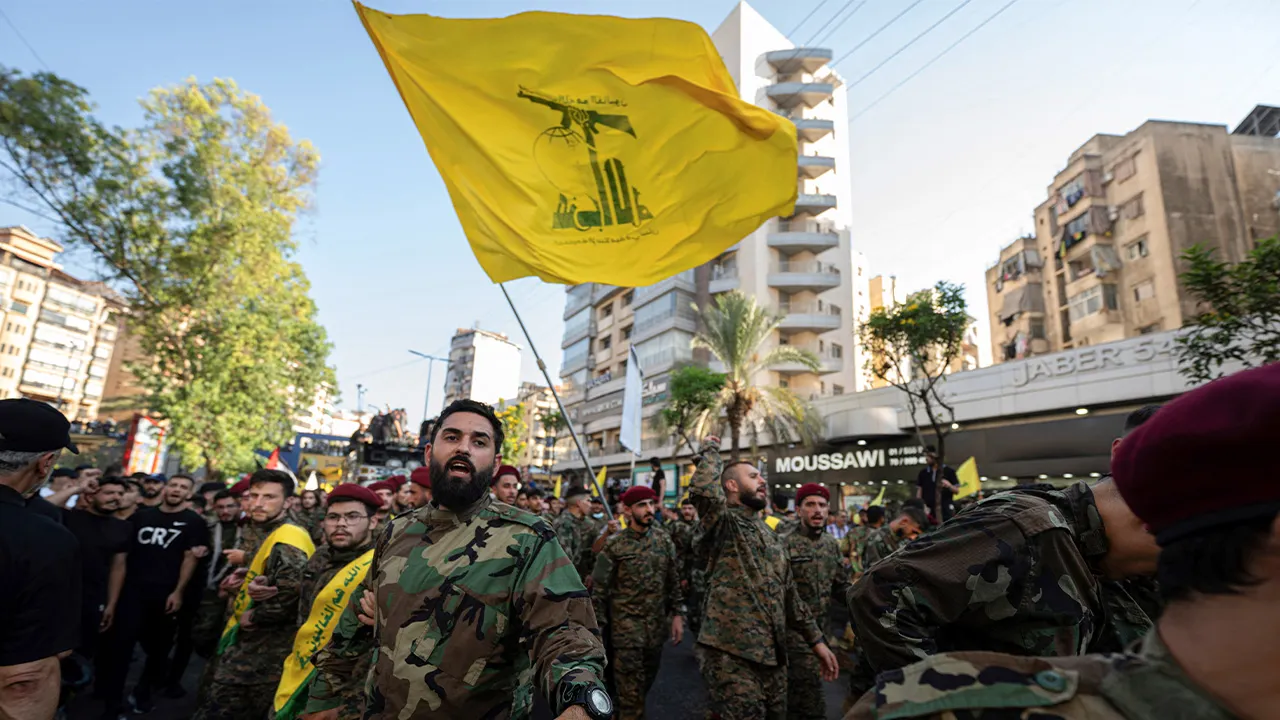
Israeli Chief of Staff Eyal Zamir announced that the death toll of Hezbollah in southern Lebanon has surpassed 1000, indicating that this number is likely to rise in the coming days. Zamir confirmed that the losses within the group will escalate as military operations continue.
These statements come at a sensitive time in the region, as Israeli forces continue their operations in southern Lebanon, heightening tensions between the two sides. Zamir noted that the military situation in the area requires constant readiness to face any new developments that may arise.
Details of the Incident
In his assessment of the situation, Zamir clarified that Hezbollah is experiencing significant human losses, which may affect its ability to carry out future military operations. He also pointed out that these losses occur within the context of ongoing escalation between Israel and Hezbollah, where both parties increasingly exchange attacks.
These figures are indicative of rising violence in the region, with growing concerns that such losses could lead to retaliatory actions from Hezbollah, further complicating the security situation in Lebanon.
Background & Context
Historically, relations between Israel and Hezbollah have been marked by ongoing tensions, particularly since the 2006 war. These tensions have led to several rounds of violence, impacting the stability of the entire region. As current events escalate, it appears that the situation is heading towards further intensification, with each party seeking to achieve its military and political objectives.
In recent years, Hezbollah's military activities in the region have increased, raising growing concerns in Israel. The group is considered one of the prominent actors in the Lebanese conflict, relying on continuous Iranian support, which complicates the conflict further.
Impact & Consequences
Zamir's statements underscore that losses within Hezbollah could lead to changes in the group's strategies, potentially affecting the balance of power in the region. The continuation of military operations may exacerbate the humanitarian situation in Lebanon, where civilians are suffering from the effects of ongoing conflict.
These developments are likely to increase international pressure on the involved parties, as major powers seek to achieve stability in the region. Calls for de-escalation may rise, but with ongoing tensions, the situation remains complex and challenging.
Regional Significance
The events in southern Lebanon are part of a larger picture of conflict in the Middle East, where regional and international interests intersect. The ongoing conflict between Israel and Hezbollah could impact neighboring countries, including Syria and Palestine, further complicating the security situation in the region.
Moreover, these developments may lead to increased tensions between Palestinian factions and Israel, as some may seek to exploit the current situation for political gains. Thus, the potential impact of this conflict could extend to other areas in the Arab world.
In conclusion, the situation in southern Lebanon remains a focal point for the world, with rising fears of escalating violence and its impact on regional stability. The figures announced by Zamir reflect a painful reality that requires careful analysis and immediate response from the international community.