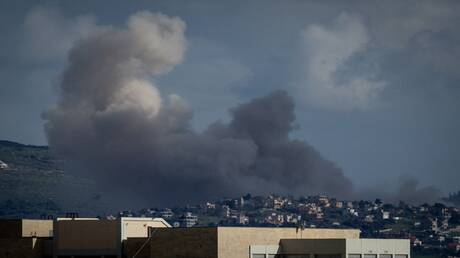
The Israeli army has confirmed that Hezbollah has indeed started to leave its strongholds in the southern suburbs, with movements of its fighters observed towards northern Beirut and mixed areas. These developments occur amid escalating tensions in the region, raising questions about the strategic objectives behind this move.
The movements detected by the Israeli army suggest that Hezbollah may be in a phase of repositioning, which could reflect changes in its military strategies. This step may be a result of the military or political pressures the party is currently facing.
Details of the Event
According to reports, the departure of Hezbollah fighters from the southern suburbs follows a series of military operations conducted by the Israeli army in the area. The army indicated that these movements could lead to a reshaping of the military landscape in Lebanon, potentially impacting the balance of power in the region.
The southern suburbs, considered Hezbollah's stronghold, have witnessed numerous military and political developments in recent years. However, the departure of the fighters may reflect a shift in the party's military strategy, especially under the current circumstances.
Background & Context
Hezbollah, founded in the 1980s, has long been a key player in the Lebanese and regional conflict. With increasing pressures from Israel and international support for the Lebanese army, the party may be compelled to alter its strategies. Historically, the southern suburbs have been a center for the party's military and political operations, making the departure of its fighters an unprecedented step.
In recent years, the region has seen an escalation in military operations, with rising tensions between Hezbollah and Israel. This backdrop makes the departure of the fighters a move with profound implications for the future of the conflict in the area.
Impact & Consequences
The departure of Hezbollah fighters could lead to significant changes in the military dynamics in Lebanon. This move may open the door for the Lebanese army to strengthen its presence in areas that were previously under the party's control. Additionally, these developments could affect the relations between Lebanon and Israel, potentially heightening tensions in the region.
Furthermore, Hezbollah's repositioning may impact its allies in the region, including Iran. These changes could lead to a reassessment of strategies by the parties involved in the conflict.
Regional Significance
These developments are of great importance to the Arab region, as the changes in the Lebanese conflict reflect broader implications for regional stability. The departure of Hezbollah fighters could lead to a reshaping of alliances in the area, affecting neighboring countries.
Moreover, these events may raise concerns among other Arab nations, especially those experiencing internal conflicts or tensions with their neighbors. Under these circumstances, stability in Lebanon will have direct implications for regional security.
The departure of Hezbollah fighters from the southern suburbs represents a turning point in the Lebanese conflict, necessitating close monitoring by the international community. This step could mark the beginning of a new phase of tensions in the region.