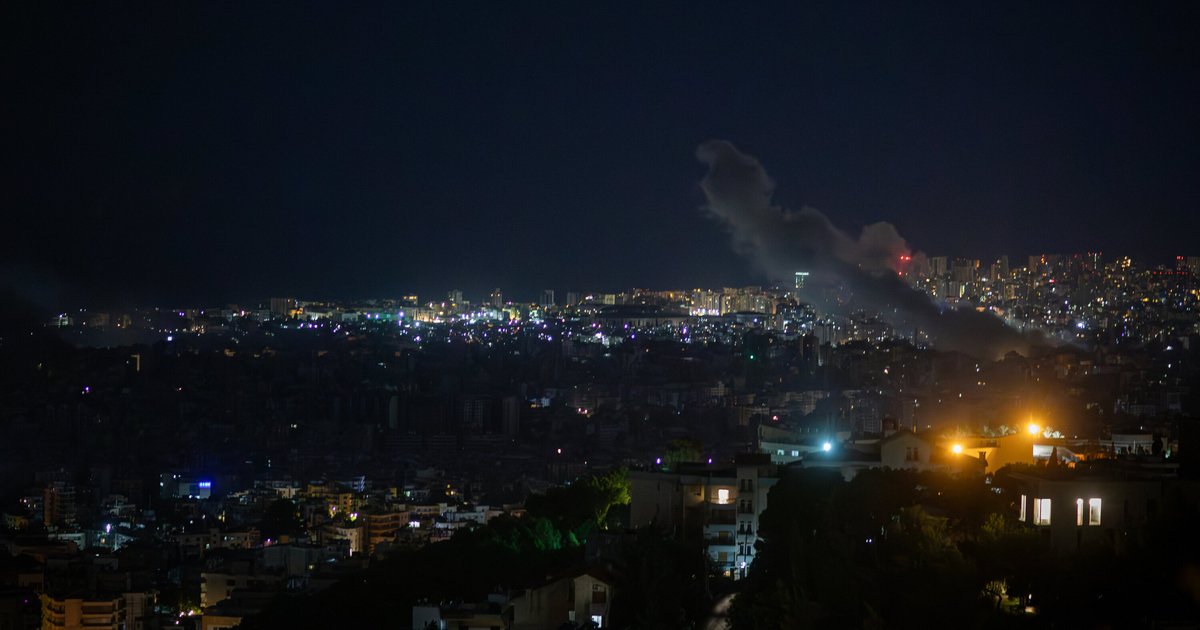
The Israeli army reported on Tuesday that it had targeted an additional central crossing over the Litani River in Lebanon, which is used by Hezbollah to transport weapons and fighters. This targeting is part of the military operation launched by the Israeli army, bringing the total number of targeted crossings since the start of this operation to seven.
These operations are considered part of the military escalation occurring in the region, as the Israeli army seeks to undermine Hezbollah's military capabilities. The targeted crossings represent vital points for transporting supplies, reflecting an Israeli strategy aimed at reducing the party's ability to carry out military operations against it.
Details of the Event
The Israeli military operation began earlier this month, targeting several sites believed to be used by Hezbollah. The latest crossing that was targeted is considered a strategic point, as it is used for transporting weapons and fighters from border areas. The Israeli army confirms that these operations aim to protect its national security and prevent any potential threats from the party.
The Israeli military movements come amid increasing tensions in the region, where the Lebanese-Israeli border is witnessing heightened military activity. Reports indicate that Hezbollah has increased its activity recently, prompting the Israeli army to take preemptive measures.
Background & Context
Historically, the border between Lebanon and Israel has experienced ongoing tensions, especially since the 2006 war. Hezbollah, which is considered a military and political force in Lebanon, is known for its activity in resisting Israeli occupation. In recent years, concerns have grown about an escalation of conflict between the two sides, prompting Israel to take preventive military actions.
Israeli military operations are not new, but they come at a sensitive time when security threats are increasing. Israel views Hezbollah as a major threat to its security, especially with the party's military capabilities being bolstered by Iran.
Impact & Consequences
The Israeli military operations could lead to a greater escalation in the conflict, threatening stability in the region. Military escalation could drag the area into a comprehensive confrontation, especially if Hezbollah retaliates against these attacks. The humanitarian situation in Lebanon could be significantly affected, as military operations may lead to civilian displacement and increased human suffering.
Any escalation in the conflict could also impact international relations, as external powers may intervene for mediation or to support one of the parties. The international community is closely monitoring the situation, as any escalation could affect regional security and heighten tensions in the Middle East.
Regional Significance
The Israeli military operations against Hezbollah may affect security and stability in neighboring countries, including Syria and Lebanon. Any escalation in the conflict could have negative repercussions on the political and economic situations in the region. Arab countries may find themselves in a difficult position, needing to balance support for Palestinian rights while addressing Israeli threats.
Ultimately, the situation in the region requires extreme caution from all parties involved. Military escalation does not serve any side, and peaceful solutions must be sought to avoid further human suffering.