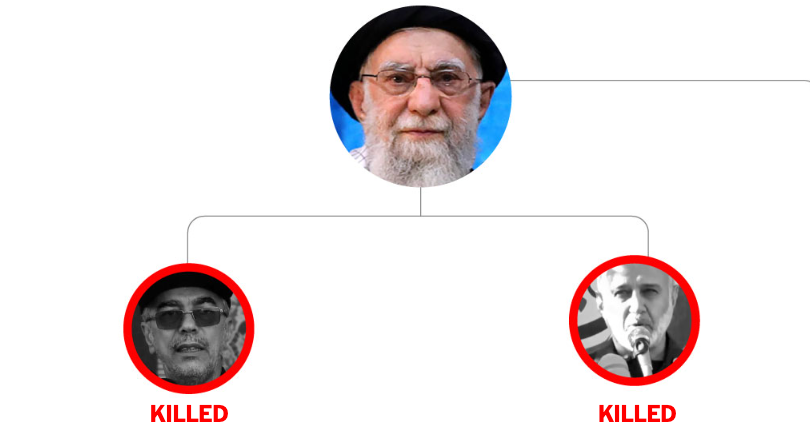
On Tuesday, the Israeli army announced it had targeted one of the prominent military leaders in Iran, reflecting the escalating tensions between Tel Aviv and Tehran. Military sources confirmed that the attack is part of ongoing Israeli efforts to counter the security threats posed by Iran and its allies in the region.
While Israel has not disclosed specific details regarding the operation, it clarified that the results of the attack are still under evaluation. This announcement has sparked varied reactions in political and media circles, as this move is seen as indicative of a more aggressive Israeli strategy towards Iran.
Details of the Operation
This operation occurs amid rising tensions between Iran and Israel, with both countries exchanging accusations regarding their support for armed groups in the region. The targeted leader is believed to have played a significant role in planning Iranian military operations in Iraq and Syria, complicating the security landscape in the Middle East.
Furthermore, this attack follows a series of Israeli military operations against Iranian targets in Syria, where Tel Aviv aims to prevent the strengthening of Iranian influence along its northern borders. Observers have noted that these operations could lead to further escalation in the conflict between the two sides.
Background & Context
Historically, relations between Iran and Israel have seen increasing tensions since the Islamic Revolution in 1979. These tensions have taken various forms, including proxy wars, where Iran supports groups like Hezbollah in Lebanon, while Israel seeks to undermine Tehran's influence in the region.
In recent years, Israeli concerns over the Iranian nuclear program have intensified, prompting it to take preemptive actions against what it perceives as direct threats to its national security. Economic sanctions imposed on Iran have further exacerbated these tensions, as Tehran seeks to bolster its military capabilities amid international pressures.
Impact & Consequences
This operation could lead to greater military escalation between Iran and Israel, as Tehran may seek to retaliate against this attack. Some analysts have warned that any escalation could result in a full-blown conflict in the region, affecting regional stability and increasing civilian suffering.
Moreover, these events may impact relations between Iran and Western countries, especially amid ongoing discussions regarding the Iranian nuclear program. These military operations could be viewed as a message from Israel to the international community regarding the threats it faces from Iran.
Regional Significance
These developments are particularly significant for Arab countries, as they may lead to a reassessment of their security strategies. While some Arab nations seek to improve relations with Iran, these operations could increase divisions in the region.
Additionally, the escalation between Iran and Israel may affect the situations in Iraq, Syria, and Lebanon, where armed groups supported by Iran are present. Consequently, any escalation could negatively impact security and stability in these countries.
In conclusion, the situation in the Middle East remains complex and fluid, as regional and international interests intertwine. It is crucial to closely monitor developments, as any escalation could have far-reaching consequences.