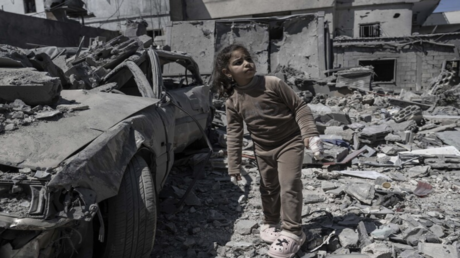
The Lebanese Ministry of Health announced on Saturday that 45 people have been killed and 156 injured as a result of the continuous Israeli attacks on different areas of Lebanon. This escalation comes at a time when the country is suffering from multiple crises, further increasing the suffering of civilians and reflecting the deteriorating humanitarian situation.
Israeli military operations continue in Lebanon, targeting residential areas and infrastructure, exacerbating the humanitarian conditions. This new death toll is part of a series of attacks that have occurred since the escalation began, with the overall toll exceeding 1,400 deaths, raising international concerns and calling for urgent intervention to protect civilians.
Details of the Incident
Reports indicate that Israeli attacks have focused on several areas, including border villages and urban regions. These attacks have led to the destruction of many homes and public facilities, increasing the suffering of residents who are already grappling with economic and political crises.
Calls from humanitarian organizations are increasing for urgent assistance to those affected, as many residents face severe shortages of food and clean water. The health situation in the country is worsening due to a lack of necessary medicines and medical equipment to treat the injured.
Background & Context
Historically, Lebanon has witnessed numerous conflicts with Israel, where wars and military disputes have been part of the country’s contemporary history. Since 2006, when the July War broke out, tensions between the two sides have not ceased, leading to a worsening humanitarian situation in Lebanon.
These events come at a sensitive time for Lebanon, which is suffering from crippling economic crises, with living conditions significantly deteriorating in recent years. Lebanese people are facing acute shortages of basic services, complicating the situation further amid the current military escalation.
Impact & Consequences
Analyses indicate that the military escalation may exacerbate humanitarian crises in Lebanon, where residents face significant challenges in accessing humanitarian aid. Continued attacks may also increase tensions in the region, threatening regional stability.
These events are expected to affect relations between Lebanon and Israel, with tensions likely to escalate and the possibility of military confrontation increasing. The deteriorating humanitarian situation may urgently require international intervention to provide assistance and protect civilians.
Regional Significance
The current events in Lebanon are part of a broader conflict in the region, affecting many Arab countries amid ongoing tensions. The escalation of violence in Lebanon could impact stability in neighboring countries, raising fears of conflict spillover.
Furthermore, the situation in Lebanon highlights the humanitarian crises faced by many Arab countries, necessitating a concerted effort from both international and local communities to resolve these crises and provide support to those affected.
In conclusion, the situation in Lebanon remains concerning, with an increasing need for urgent intervention to protect civilians and provide necessary assistance. The continuation of Israeli attacks will only worsen the humanitarian conditions, calling for immediate international action.