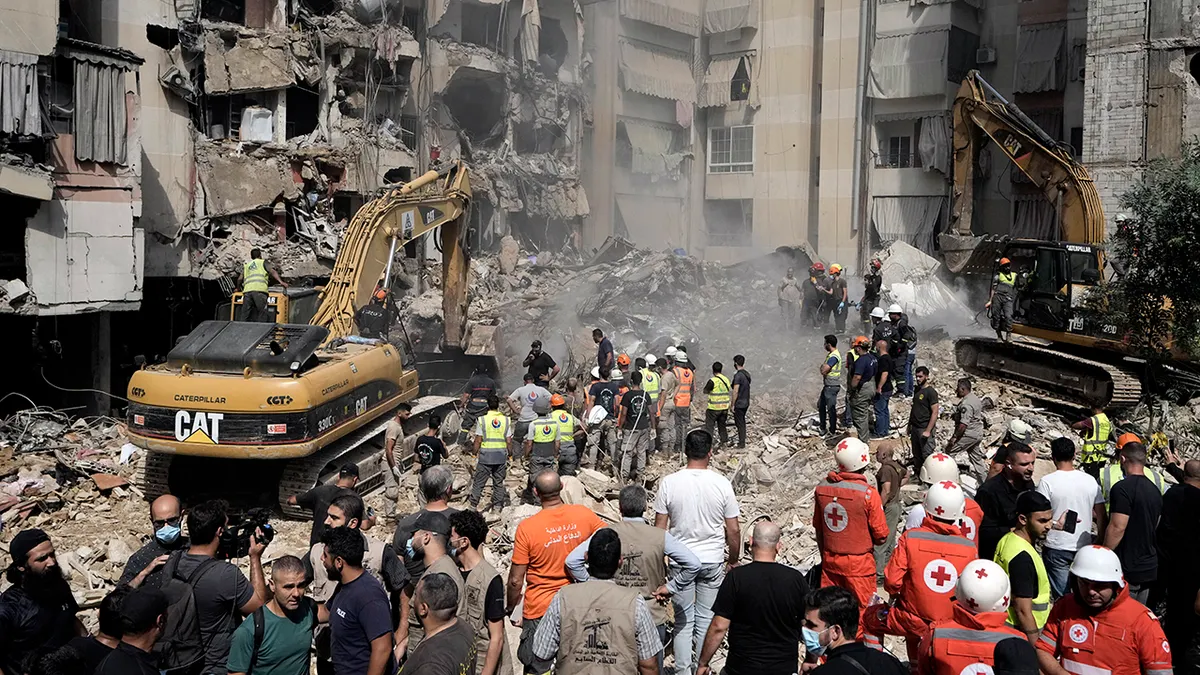
The recent Israeli attack on Lebanon has resulted in hundreds of casualties and injuries, marking the most intense violence since the conflict began. This escalation occurs amidst increasing military tensions in the region, raising fears about the implications for regional security and stability.
Local sources reported intense shelling targeting multiple areas in Lebanon, leading to widespread destruction. Images circulated on social media show the aftermath of the devastation, with homes and infrastructure severely damaged.
Details of the Attack
In detail, reports indicate that Israeli warplanes launched strikes on residential areas, resulting in the deaths and injuries of numerous civilians. Violent clashes between Israeli forces and armed groups in the region have also been reported, heightening tensions further.
Many humanitarian organizations have expressed concern over the deteriorating humanitarian situation in Lebanon, where residents are suffering from severe shortages of food and medical assistance. These organizations have called for an immediate ceasefire and the provision of aid to those affected.
Background & Context
These events come at a sensitive time, as the region is witnessing escalating tensions between Israel and Palestinian factions. Since the outbreak of the war, mutual attacks have increased, exacerbating the humanitarian conditions in both Lebanon and Palestine.
Lebanon, already grappling with a crippling economic crisis, faces new challenges due to this escalation. The internal political situation in Lebanon is complex, complicating efforts to address the repercussions of the Israeli attack.
Impact & Consequences
The potential consequences of this attack could be far-reaching, possibly leading to greater escalation in the conflict. Continued attacks may worsen humanitarian conditions and increase the number of displaced persons and refugees.
Regionally, these events may affect relations between Arab countries and Israel, as calls for solidarity with Lebanon and Palestine grow louder. The international community is also facing increasing pressure to intervene and halt hostilities.
Regional Significance
The events in Lebanon have direct implications for security and stability in the Arab region. The escalation of the conflict could have repercussions for neighboring countries, increasing the risk of violence spreading.
Moreover, the situation in Lebanon may affect relations among Arab nations, as fears grow that the conflict could lead to greater fragmentation in the region. It is crucial for Arab and international efforts to unite in reducing tensions and providing humanitarian assistance to those affected.
In conclusion, the situation in Lebanon remains critical, requiring urgent action from the international community to stop the violence and support affected civilians. The continuation of these conflicts will only exacerbate humanitarian conditions and increase suffering in the region.