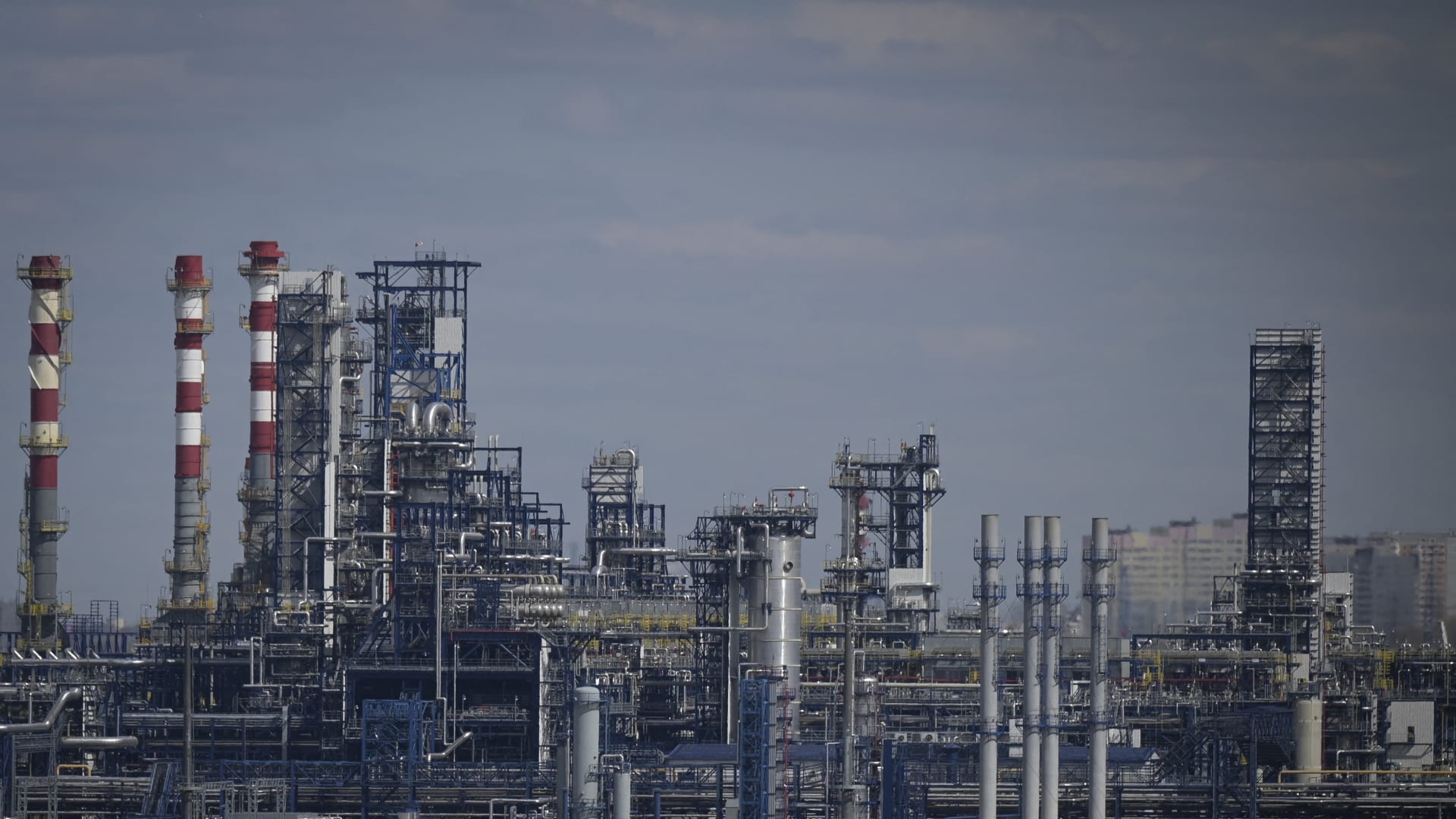
The Israeli attack on the South Pars field and Iran's targeting of Ras Laffan has led to a qualitative shift in the regional conflict, threatening global energy security. Ras Laffan is a vital hub for liquefied natural gas (LNG) production, accounting for approximately 20% of global supplies, making the impact of this attack on gas prices both immediate and long-lasting.
In this context, Qatari Minister of State for Energy, Saad Al-Kaabi, reported that two out of 14 LNG production lines in Qatar were damaged, resulting in a reduction of production capacity by 12.8 million tons annually for a period of three to five years. Qatar's total production capacity before the attacks was 77 million tons annually, and QatarEnergy is heavily investing to expand this capacity to 126 million tons by 2027, which would account for one-third of global demand.
Details of the Incident
The attack on Ras Laffan caused significant damage, as the facilities there are among the most crucial for LNG production. Reports indicate that the damage exceeds the threats faced by the safe navigation of gas carriers through the Strait of Hormuz, where the flow of gas can quickly resume after reopening the strait. However, the liquefaction plant was damaged, meaning the gas source itself is now closed.
Prior to the attack, the volumes of natural gas traded internationally via pipelines exceeded those transported by sea, but following the Russian invasion of Ukraine, LNG has become the dominant form of international trade. This shift has led to the freezing of most pipeline projects, as LNG is considered safer and more flexible.
Background & Context
Historically, there have been attempts to establish a gas network for the Gulf Cooperation Council (GCC) countries, but these discussions have not resulted in tangible outcomes due to the reluctance of the involved countries to accept mutual dependency constraints. The only existing line is the Dolphin Pipeline, which connects Qatar to the UAE and Oman, but with improved regional relations, there may be an incentive to recognize the need for close cooperation.
There are two significant projects for transporting Qatari gas via pipelines through Saudi Arabia; the first connects Qatar to Jordan, allowing gas to be transported to Egypt, Syria, and Lebanon, while the second is a marine pipeline to Kuwait. However, these projects face numerous complexities, yet they may find a path to implementation under the new circumstances.
Impact & Consequences
The damage to the liquefaction plant at Ras Laffan is considered more severe than the threats to navigation, as it directly affects LNG supplies. The disruption in gas supplies could pose serious problems for many Asian countries, with Pakistan and India relying on Qatari LNG for 89% and 40% of their total imports, respectively.
Currently, it is too early to describe the situation as a disaster, as some LNG flows can be redirected, including utilizing new production capacities such as the Golden Pass project. However, redirecting these flows will lead to increased competition among buyers and higher prices for everyone.
Regional Significance
Many Arab countries rely on Qatari gas, making the current situation critical. QatarEnergy may seek to restore confidence in supply security by expanding its investments in gas projects in other areas, in addition to enhancing regional cooperation.
In conclusion, the current situation requires a swift and effective response from all parties involved to ensure the stability of LNG supplies, which directly impacts the global economy and energy prices.