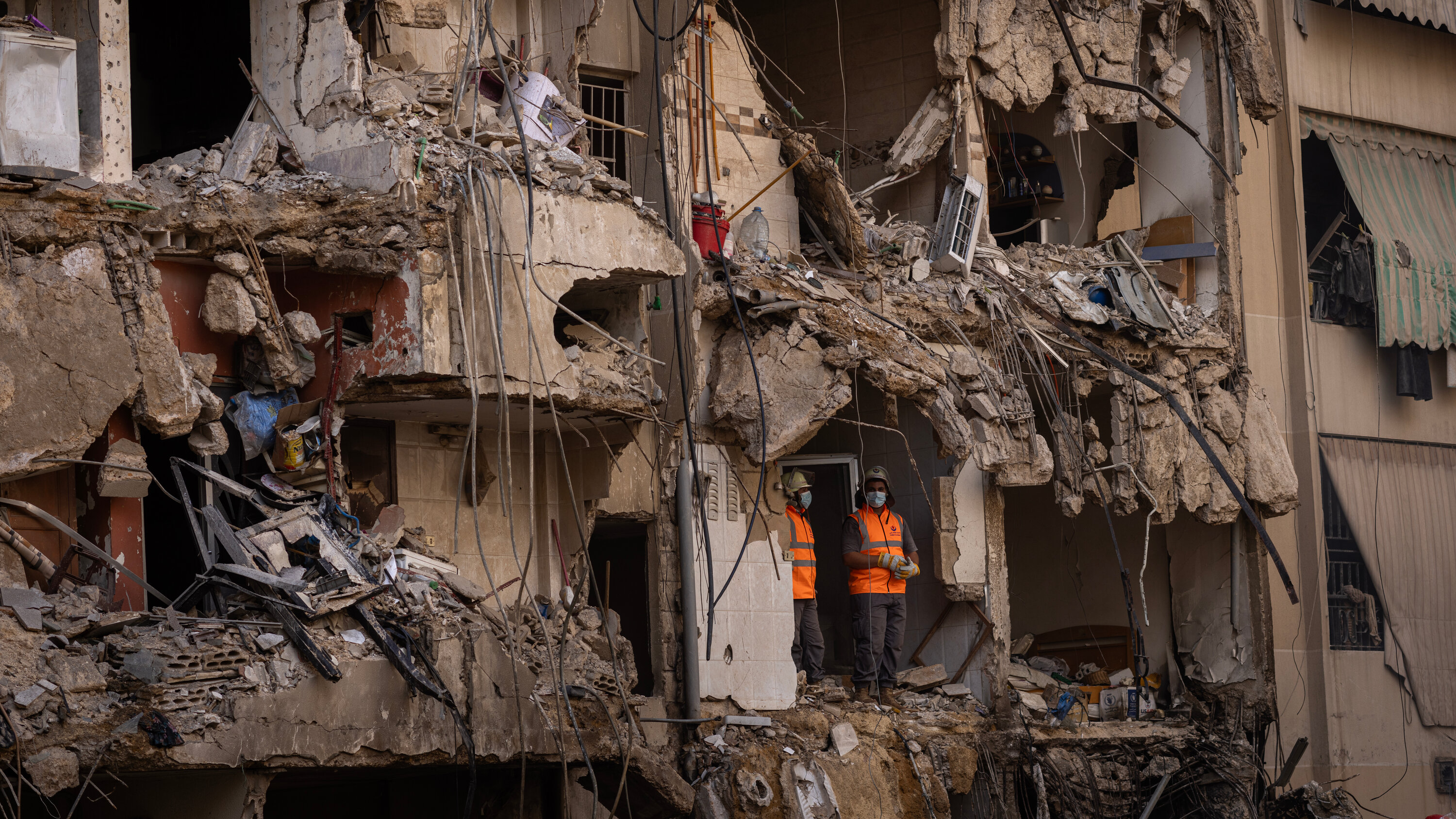
Lebanese civil defense sources have announced that 254 lives have been lost due to Israeli attacks targeting several areas in Lebanon today. These strikes come at a sensitive time, as tensions in the region are escalating, increasing the likelihood of a larger conflict.
Reports indicate that the attacks have targeted residential areas and markets, leading to a significant number of civilian casualties. Many of the injured have been transported to hospitals that are struggling with resource shortages due to the current situation.
Details of the Attacks
The Israeli attacks on Lebanon have been ongoing for several days, focusing on the southern regions and the Bekaa Valley. Images circulating on social media depict the extensive destruction inflicted on homes and infrastructure. Some reports suggest that these attacks may be a reaction to escalations by armed groups in the area, complicating the situation further.
At the same time, the Lebanese government issued a statement condemning these attacks, affirming Lebanon's right to defend its sovereignty. It also called on the international community to intervene to halt these aggressions, warning that the continuation of these attacks would exacerbate the humanitarian situation.
Background & Context
Historically, Lebanon has experienced numerous armed conflicts, particularly with Israel. Since the 2006 war, there have been periods of relative calm, yet tensions have never completely disappeared. The current attacks occur against a backdrop of rising regional tensions, where the interests of several countries overlap, complicating matters further.
The internal political situation in Lebanon is also unstable, making the country more susceptible to external influences. The economic and political crises that Lebanon is undergoing hinder the government's ability to take effective measures to protect its citizens.
Impact & Consequences
The Israeli attacks on Lebanon may lead to a larger escalation in the conflict, threatening security and stability in the region. The high number of civilian casualties could provoke strong reactions from the international community, potentially leading to pressure on Israel to cease its attacks. These events may also affect relations between Lebanon and other Arab countries, as some nations may adopt a harsher stance towards Israel, complicating peace efforts in the region.
Furthermore, the humanitarian crises in Lebanon are likely to worsen as a result of these attacks, with increasing numbers of displaced individuals and a growing need for international aid.
Regional Significance
These events are indicative of rising tensions in the Middle East, necessitating urgent international attention. The situation in Lebanon serves as a critical flashpoint that could influence broader regional dynamics and international relations.
In conclusion, the ongoing violence poses a significant threat not only to Lebanon but also to the stability of the entire region, highlighting the need for immediate diplomatic efforts to resolve the underlying issues.