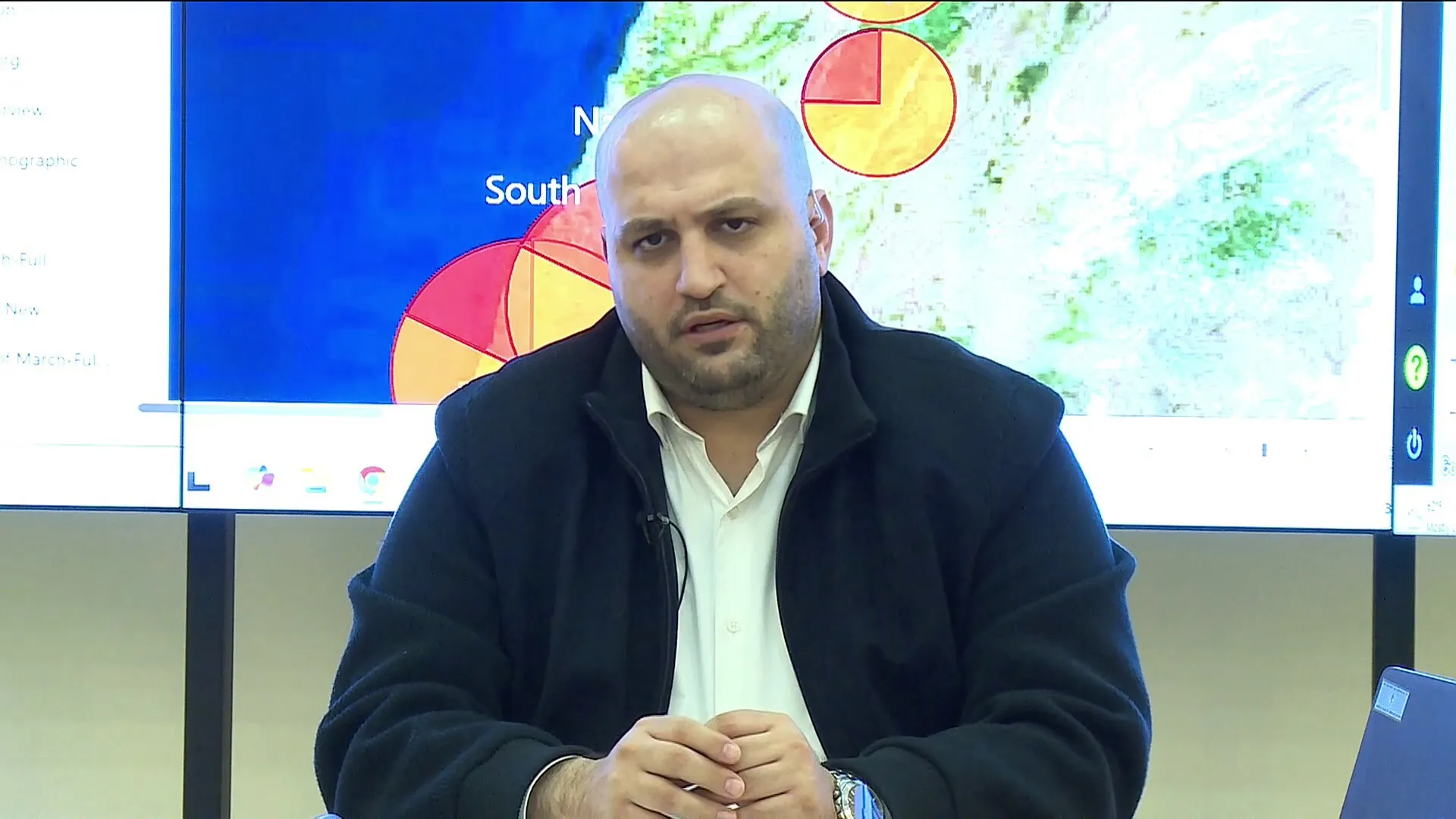
Lebanese Health Minister Rakan Nasser Al-Din confirmed that the health sector in southern Lebanon is facing systematic and repeated targeting by the Israeli army, leading to the martyrdom of 52 health workers and injuries to 128 others. Additionally, 19 medical and emergency centers have been targeted, and 5 hospitals have been forcibly closed.
In statements made during an interview with Al Jazeera from Beirut, the minister indicated that these attacks constitute a clear war crime and contradict international agreements that protect health workers and facilities. He asserted that Israeli claims regarding the military use of these facilities are unfounded, according to reports from the World Health Organization and the International Red Cross.
Details of the Incident
Nasser Al-Din clarified that Israeli attacks are targeting ambulances and medical teams, exacerbating the suffering of citizens in affected areas. He noted that the ministry is working to secure medical services for displaced individuals and patients with chronic diseases, despite the challenging circumstances it faces.
The minister also emphasized the ministry's commitment to providing healthcare for all Lebanese citizens, whether displaced or resident, across all Lebanese regions, from north to south. He praised the Lebanese medical teams, describing them as the "white working hands" that continue to perform their duties despite difficulties, in coordination with the International Red Cross and humanitarian organizations.
Background & Context
These attacks come at a sensitive time, as Lebanon is suffering from a worsening humanitarian and health crisis due to the ongoing conflict. The current war has placed immense pressure on a healthcare system that was already struggling with shortages of resources and medical supplies.
Regarding patients with chronic diseases and those with special needs, the minister confirmed that the Ministry of Health has prepared an emergency plan to ensure the continuity of dialysis services and chemotherapy treatments for serious illnesses. Chronic medications have also been secured in collaboration with drug importers and the pharmacists' syndicate to ensure that medical services reach displaced individuals and those remaining in targeted areas.
Impact & Consequences
These events underscore the urgent need for international support for Lebanon, especially as the war continues and prolongs. The country has received assistance from the World Health Organization, UNICEF, and international partners, including medications and emergency surgical supplies, which are distributed based on priorities and medical assessments.
However, Nasser Al-Din stressed that the country requires more support, as the ministry continuously raises lists of needs to international organizations and friendly countries to secure necessary resources. The continuation of these attacks could exacerbate the health and humanitarian situations in Lebanon.
Regional Significance
These events are part of the ongoing conflict in the region, which affects the stability of neighboring countries. Targeting health workers and medical facilities raises concerns about human rights and the protection of civilians in armed conflicts, necessitating urgent international action to protect civilians and provide humanitarian support.
In conclusion, the situation in Lebanon remains complex, with an increasing need for international community support to address the growing health and humanitarian challenges. The efforts made by the Ministry of Health and local medical teams reflect Lebanon's commitment to providing healthcare, but the current conditions require an urgent response from the international community.