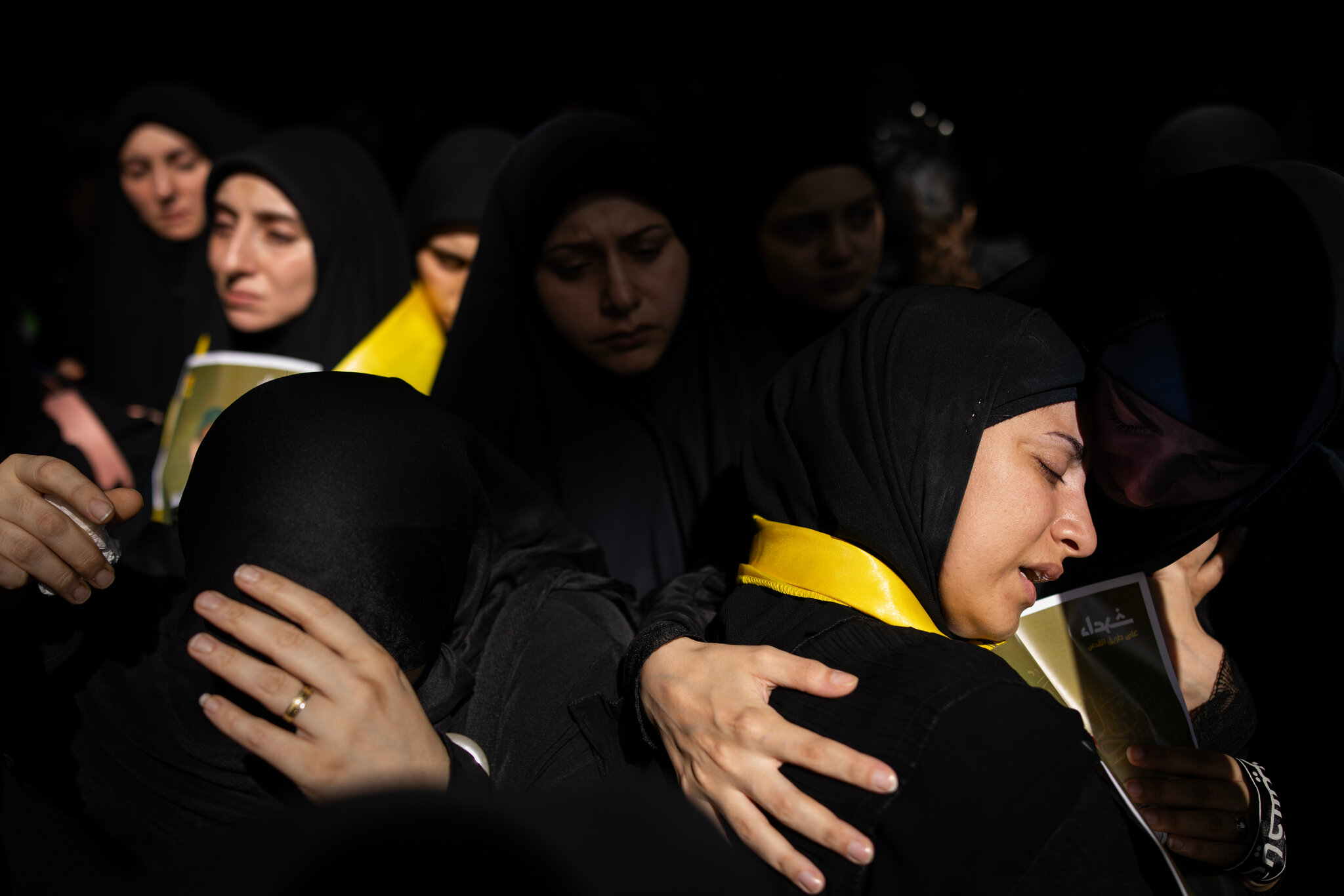
Official sources have reported a significant increase in the death toll from Israeli attacks on Lebanon, which now stands at 1530 dead and 4812 injured. These numbers reflect the catastrophic situation the country is facing due to the ongoing military escalation and highlight the devastating impact of the conflict on civilians.
These developments come at a time when Lebanon is grappling with a severe humanitarian crisis, as economic and social conditions have deteriorated significantly. The Israeli attacks, which began several weeks ago, have targeted residential areas and vital facilities, leading to mass displacement of civilians and an increased need for humanitarian assistance.
Details of the Incident
The Israeli attacks on Lebanon commenced as part of a large-scale military escalation, with Israeli warplanes targeting multiple sites across various Lebanese regions. Images and videos circulated on social media have shown the immense destruction inflicted on buildings and infrastructure, exacerbating the suffering of the population.
The figures released by official authorities include the number of dead and injured, alongside the substantial material damage inflicted on homes and public facilities. Reports also indicate a severe shortage of food and medical supplies, further compounding the hardships faced by civilians.
Background & Context
Lebanon has been suffering from multiple crises for years, ranging from political and economic turmoil to humanitarian emergencies. The ongoing conflict between Israel and Hezbollah has complicated the situation, with military attacks occurring periodically. Historically, Lebanon has witnessed numerous wars and clashes that have impacted its stability and security.
In recent years, conditions in Lebanon have worsened due to economic and political crises, making the country more vulnerable to external influences. The Israeli attacks come at a sensitive time as Lebanon seeks to recover from internal crises.
Impact & Consequences
The Israeli military escalation has serious implications for Lebanon and the broader region. The rising number of casualties indicates a worsening humanitarian situation, necessitating international intervention to provide the required assistance. Furthermore, the continuation of attacks could lead to greater escalation in the conflict, threatening regional security.
The economic repercussions will also be evident, as the damage to infrastructure will increase the burdens on the Lebanese government, which is already grappling with a severe financial crisis. Economic conditions are expected to deteriorate further amid the ongoing conflict.
Regional Significance
The events in Lebanon have direct repercussions on neighboring countries, as the escalation of conflict could lead to an influx of refugees into countries like Syria and Jordan. Additionally, the deteriorating security situation may affect the stability of the entire region.
Concerns are rising that military escalation could ignite new conflicts in the region, threatening regional peace and security. The international community is urged to intervene promptly to halt the escalation and provide necessary humanitarian assistance to affected civilians.