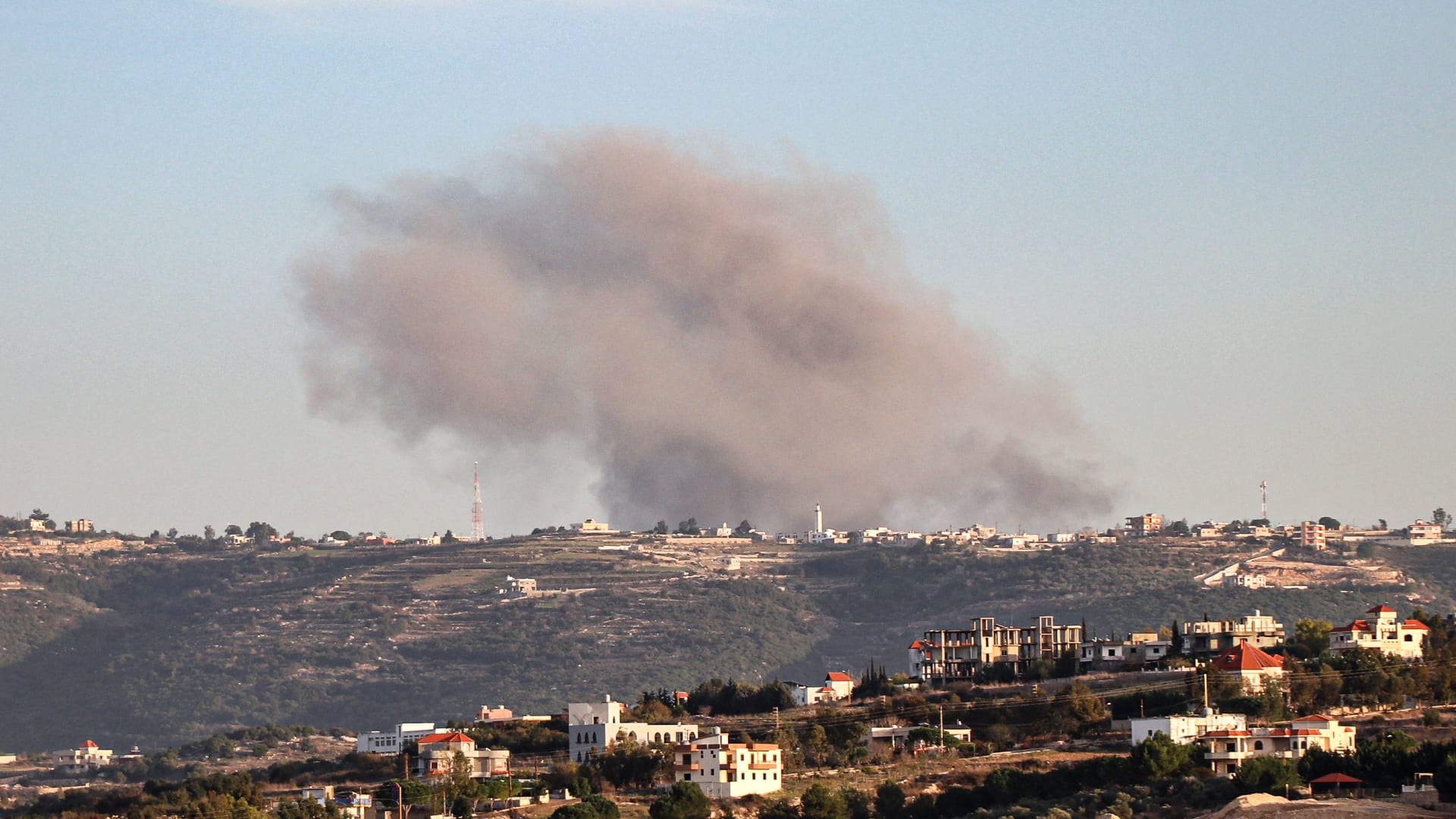
The Lebanese Ministry of Health has announced that the death toll from Israeli attacks on Lebanon has risen to 1,142, while the number of injured has reached 3,315 since March 2, 2023. These statistics come at a time when the country is witnessing unprecedented military escalation, raising concerns about the humanitarian situation in Lebanon.
Fears are mounting regarding the repercussions of this escalation on civilians, as residential areas and infrastructure are being targeted, leading to loss of life and destruction of property. Numerous humanitarian organizations have pointed out the urgent need for assistance to those affected by these conditions.
Details of the Incident
Reports indicate that Israeli attacks have targeted multiple areas in Lebanon, including border regions. These attacks have resulted in the destruction of many homes and vital facilities, exacerbating the suffering of residents living under difficult conditions. The increasing number of casualties reflects the magnitude of the humanitarian disaster facing the country.
In light of these circumstances, international calls for pressure on Israel to cease its attacks are growing, as many countries express concern over the escalating violence in the region. The United Nations has shown readiness to provide humanitarian assistance, but the current security situation hampers relief efforts.
Background & Context
Historically, Lebanon has experienced numerous conflicts with Israel, with several wars and disputes occurring over the past decades. Since 2006, when the second war between Hezbollah and Israel erupted, tensions between the two sides have not ceased. These tensions have led to significant suffering for the civilian population in Lebanon, who continue to endure the effects of ongoing conflicts.
These events come at a sensitive time, as Lebanon grapples with severe economic and political crises, complicating the situation further. The economic crisis that has plagued the country since 2019 has led to a deterioration in living standards, making the population more vulnerable to the negative impacts of armed conflicts.
Impact & Consequences
The repercussions of Israeli attacks on Lebanon extend beyond humanitarian dimensions, affecting regional stability. As the number of casualties rises, concerns about a larger escalation that could lead to a full-scale war in the region are increasing. This situation may negatively impact relations between Arab countries and Israel, heightening tensions in the Middle East.
The psychological impact on the civilian population will also be profound, as people live in a state of constant fear and anxiety. These conditions may lead to an increase in cases of depression and anxiety among the population, necessitating urgent intervention from health and psychological organizations.
Regional Significance
The events in Lebanon are part of a larger picture of the Arab-Israeli conflict, raising concerns among neighboring Arab countries. As violence escalates, calls within Arab nations for unity against Israeli aggressions are increasing, which may influence the domestic and foreign policies of these countries.
Moreover, the situation in Lebanon could affect refugee movements, as more people may be forced to leave the country in search of safety, increasing pressures on neighboring states. These dynamics could exacerbate humanitarian crises in the region, requiring a coordinated response from the international community.