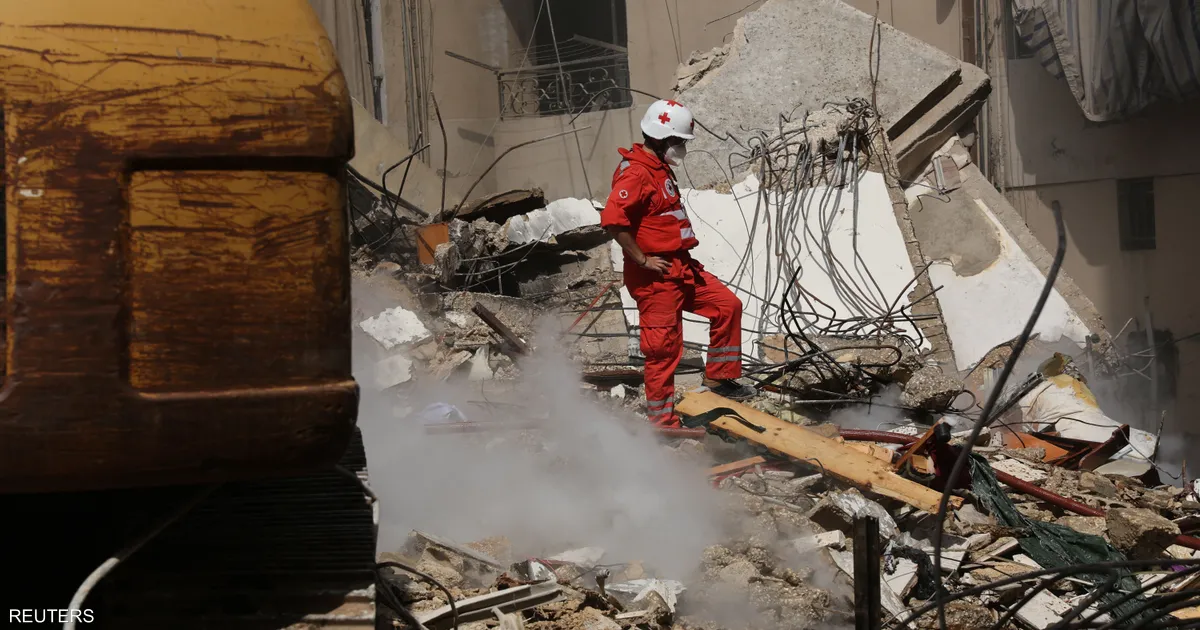
The National News Agency in Lebanon has announced that the death toll from Israeli attacks on Lebanese territory has risen to over 1,100 fatalities, while more than 136,000 people have been displaced from their homes. Reports indicate that the number of injured has reached 3,229, reflecting the escalating violence and humanitarian crisis in the country.
These developments come at a time when Lebanon is suffering from multiple crises, including a crippling economic crisis and ongoing political turmoil. Reports show that the number of displaced families has reached 34,973 families, highlighting the scale of the humanitarian disaster facing the country.
Details of the Event
The Israeli attacks on Lebanon began several weeks ago, targeting residential and civilian areas, leading to the destruction of many homes and infrastructure. The National News Agency has confirmed that the number of casualties continues to rise, raising concerns about the humanitarian situation in the country.
Calls are increasing from human rights organizations and the international community to halt hostilities and provide humanitarian aid to those affected. Under these circumstances, the displaced are suffering from severe shortages of shelter, food, and healthcare, exacerbating their plight.
Background & Context
Lebanon has historically experienced multiple conflicts, particularly with Israel, where there have been several wars and conflicts over the years. These recent events come in a complex historical context, as Lebanon grapples with internal and external crises, complicating the security and humanitarian situation.
Historically, there have been ongoing tensions between Lebanon and Israel, especially following the 2006 war. As events escalate, it appears that Lebanon faces greater challenges in maintaining its stability and security.
Impact & Consequences
The current escalation in Lebanon has serious implications for regional security, as it could lead to further escalation in the conflict between Israel and Hezbollah, threatening the stability of the entire region. Additionally, the humanitarian dimensions of the crisis require an urgent response from the international community.
The increasing humanitarian crisis may exacerbate the economic and social conditions in Lebanon, putting additional pressure on the Lebanese government, which is already struggling with multiple crises. Under these circumstances, urgent interventions from humanitarian organizations may be necessary to provide support and assistance to those affected.
Regional Significance
The events in Lebanon have direct implications for neighboring Arab countries, as they could lead to a flow of refugees into neighboring countries such as Syria and Jordan. Furthermore, the deteriorating situation in Lebanon may affect stability across the entire region, necessitating international coordination to address these challenges.
In conclusion, the situation in Lebanon remains concerning, as the increasing humanitarian crisis requires an urgent response from the international community. The continuation of violence and unrest could worsen conditions, necessitating immediate actions to protect civilians and provide necessary aid.