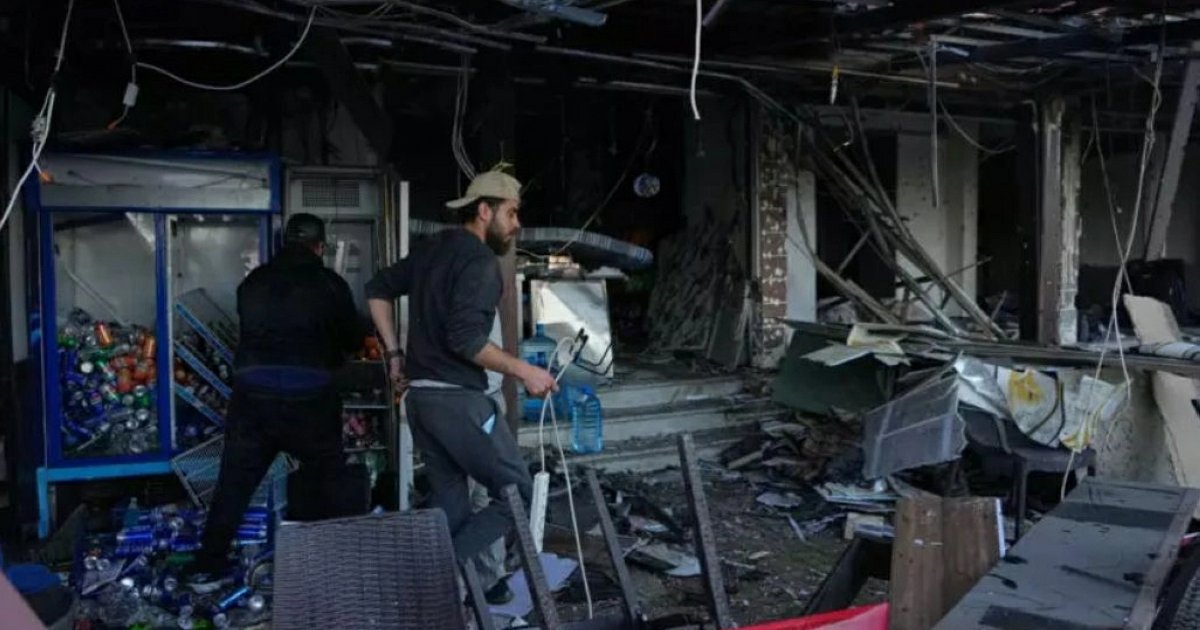
Israeli attacks resumed in southern Lebanon on Wednesday, with Israeli Prime Minister Benjamin Netanyahu asserting that the ceasefire agreement between the United States and Iran does not include Lebanon. These attacks come at a time when the Iranian-backed militia Hezbollah has not announced any operations since 1 AM, raising questions about the future of the conflict in the region.
In a related context, Israel issued an order to renew evacuations in an area near the city of Tyre, located more than 40 kilometers inside Lebanese territory, indicating that "the battle in Lebanon continues." Hezbollah had ceased fire towards northern Israel and Israeli forces in Lebanon in the early hours of Wednesday, as part of the announced ceasefire between the United States and Iran, according to sources close to the party.
Details of the Incident
Reports indicate that Hezbollah is expected to issue a statement clarifying its official position on the ceasefire and Netanyahu's assertion that Lebanon is not included. Meanwhile, the Lebanese Armed Forces have issued warnings to citizens against returning to southern areas, where Israeli attacks continue, stating that the situation remains dangerous.
The Lebanese army stated in a statement: "In light of regional developments and circulating reports about the ceasefire, citizens are urged to wait before returning to southern villages and towns and to avoid approaching areas where Israeli forces have advanced, as they may be exposed to ongoing Israeli attacks."
Background & Context
Historically, relations between Israel and Lebanon have been marked by severe tensions, particularly following Hezbollah's attack on Israel on March 2, which escalated the conflict in the region. Since then, hundreds of thousands of Lebanese have been displaced, with the humanitarian situation in the south becoming extremely critical.
In the meantime, French President Emmanuel Macron has called for Lebanon to be included in the ceasefire agreement, emphasizing during a meeting with defense advisors and members of his government that the situation in Lebanon remains critical and requires international attention.
Impact & Consequences
The renewal of Israeli attacks could lead to further escalation in the conflict, complicating the humanitarian situation in Lebanon. Additionally, the continuation of military operations may negatively impact peace efforts in the region and heighten tensions between the involved countries.
On the other hand, these events may affect relations between Iran and the United States, as any escalation in Lebanon could prompt parties to reassess their strategies in the region.
Regional Significance
The events in Lebanon are part of a larger conflict in the Middle East, where regional and international interests intersect. The ongoing conflict in Lebanon could impact the stability of neighboring countries and increase tensions in the region.
In conclusion, the situation in Lebanon remains complex, with growing fears of a larger escalation in the conflict, necessitating urgent international attention to protect civilians and ensure regional stability.