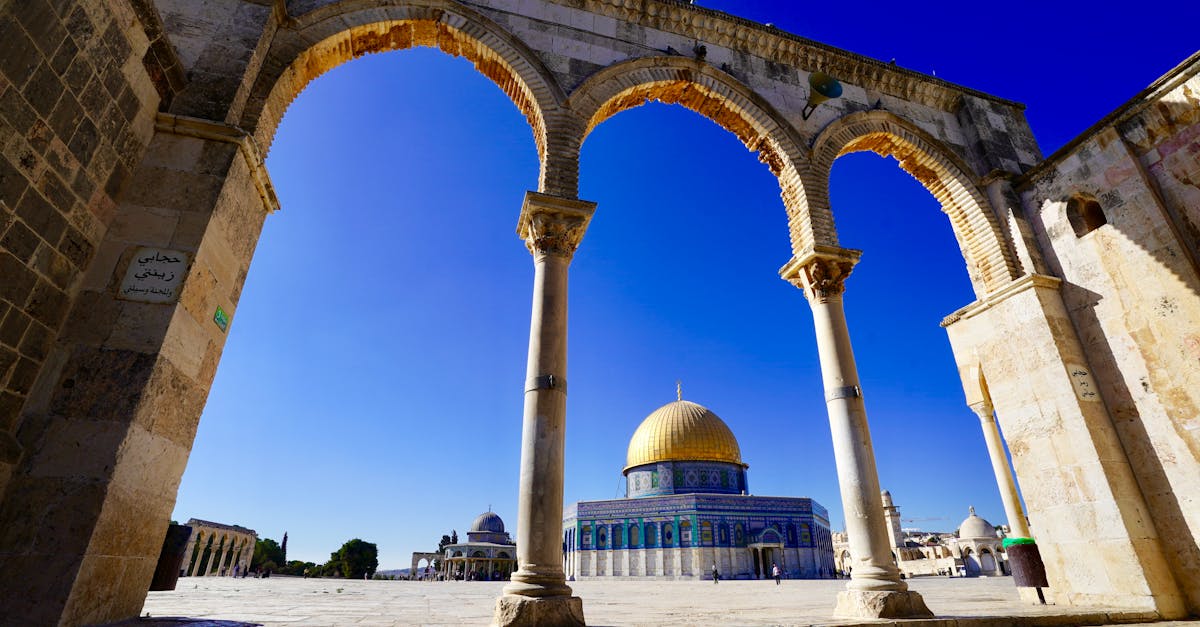
In a new move reflecting the escalation of Israeli occupation authorities against Palestinian journalists, the authorities decided to expel two journalists from Al-Aqsa Mosque after their arrest during Eid al-Adha prayers. The detained journalist, Saif Al-Qawasmi, reported that he received an expulsion order following his arrest on Wednesday morning.
Al-Qawasmi, who was taken to the area of the Buraq Wall, noted that he received the expulsion order along with a summons for interrogation, before being released with the expulsion order in hand. He pointed out that this is not the first order against him, but part of a series of decisions he has faced, having been expelled from Al-Aqsa Mosque more than 10 times previously.
Details of the Incident
During the Eid al-Adha prayers, Israeli occupation forces arrested the Palestinian journalists, with Al-Qawasmi receiving a one-week expulsion order, which could be extended for periods of up to 6 months. Additionally, Firas Al-Dibs, a former employee in the Islamic Waqf Department, was also arrested and received a similar expulsion order. This escalation comes at a time when Jerusalem has witnessed a notable increase in targeting journalists.
According to Palestinian sources, the Jerusalem Governorate recorded the issuance of 95 expulsion orders from Al-Aqsa Mosque and the Old City during April, amidst incursions by more than 4,000 settlers into Al-Aqsa Mosque.
Background & Context
Attacks on Palestinian journalists in Jerusalem are on the rise, with these arrests and expulsions being part of the occupation's policy aimed at restricting freedom of expression and preventing media coverage of violations. Palestinian journalists often face arrest and expulsion, hindering their ability to perform their work freely.
Historically, Al-Aqsa Mosque has witnessed numerous incursions and assaults by occupation forces, especially during religious occasions. These policies reflect the ongoing tensions in the region, where the occupation seeks to impose control over sacred sites.
Impact & Consequences
These decisions significantly affect press freedom in the Palestinian territories, reflecting the occupation's policy towards journalists as part of its strategy to silence dissenting voices. The expulsion of journalists from Al-Aqsa Mosque limits their ability to document events and convey the truth to the world.
Moreover, these arrests may lead to increased tensions between Palestinians and occupation forces, potentially contributing to the escalation of the situation in Jerusalem. The continuation of these policies may provoke reactions from the international community, which closely monitors human rights violations in the Palestinian territories.
Regional Significance
These events hold particular importance for Arabs, as they reflect the challenges faced by Palestinians under occupation. The arrest and expulsion of journalists from Al-Aqsa Mosque highlight human rights violations, calling for Arab and international action to support Palestinian rights.
As pressures on journalists increase, hope remains pinned on the international community to pressure the occupation to halt these violations. Supporting press freedom is an essential part of supporting human rights in the region.