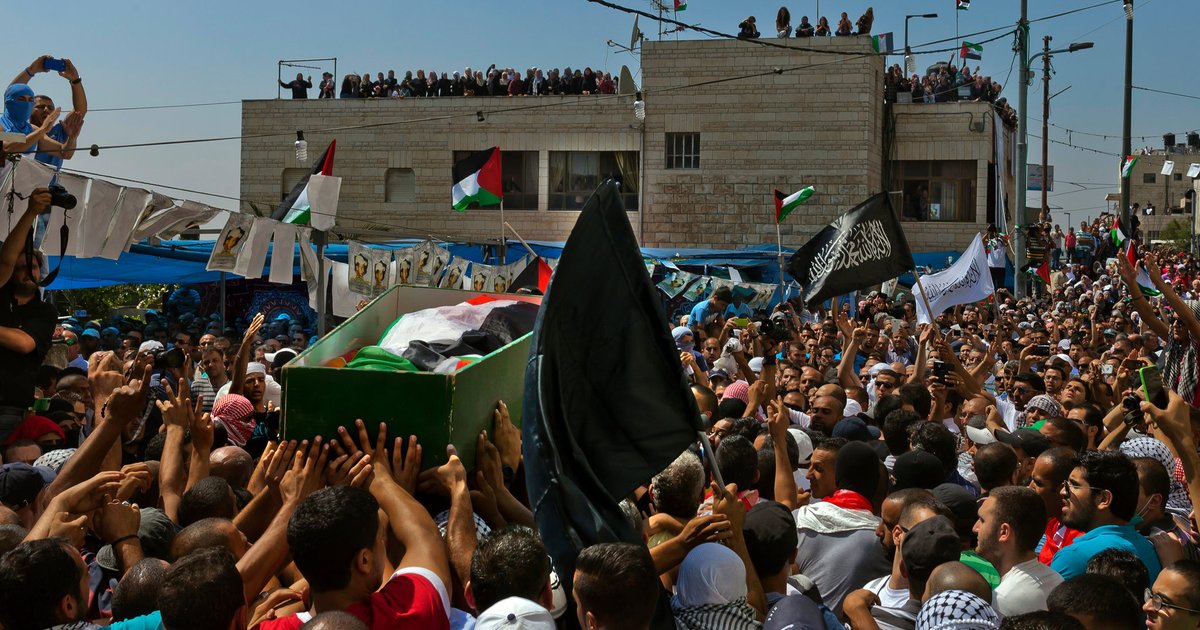
The case of the Palestinian child Wadi Aliyan, who was executed by Israeli forces in 2024, has brought new shock to his family after his body was buried in a mass grave without their knowledge. The family, which had hoped to recover their son’s remains, discovered that the Israeli authorities had transferred the body six months ago from the morgue to the graves, depriving them of the right to say goodbye.
Wadi, who was only 14 years old, was killed on February 5, 2024, near the entrance of the town of Al-Eizariya east of Jerusalem, where Israeli forces claimed he was attempting to carry out a stabbing attack. Since then, his family has been living in a state of waiting and hope to retrieve his body.
Details of the Incident
According to the Israeli public prosecution, Wadi’s body was buried on October 29, 2025, following a decision issued on the 22nd of the same month. This came as a shock to his family, who had hoped for the release of his remains, especially after it was linked to a recent prisoner exchange deal.
Shadi Aliyan, Wadi’s father, expressed his shock at the public prosecution's response, affirming that the family had hoped for a proper farewell for their son. He pointed out that their right to bury their son according to Islamic law had been violated.
Background & Context
The policy of holding bodies by the Israeli occupation is part of broader practices aimed at pressuring Palestinians. Bodies are held as a means of deterrence, causing additional suffering to families. The National Campaign for Retrieving Martyrs' Bodies has documented numerous similar cases where martyrs are buried in mass graves, reflecting the occupation's policy in dealing with Palestinians even after their death.
Current data indicates that there are 785 bodies being held, including 78 bodies of children under the age of 18. Wadi is one of these children, considered among the youngest of the held bodies.
Impact & Consequences
This case underscores the importance of human rights and the necessity of respecting international laws that prohibit the holding of bodies. The Geneva Convention stipulates that detainees who die during detention must be buried respectfully, placing the occupation in violation of international law.
Pressure is increasing on the Israeli occupation from human rights organizations calling for respect for the rights of prisoners and their families. This case may open the door for further discussions regarding Palestinian rights in international forums.
Regional Significance
The case of Wadi Aliyan symbolizes Palestinian suffering, highlighting the ongoing violations of human rights in the occupied territories. This case may influence Arab and international public opinion, potentially leading to increased pressure on the occupation.
In conclusion, the case of Wadi Aliyan remains a vivid example of the suffering faced by Palestinians, emphasizing the need for action to achieve justice and human rights.