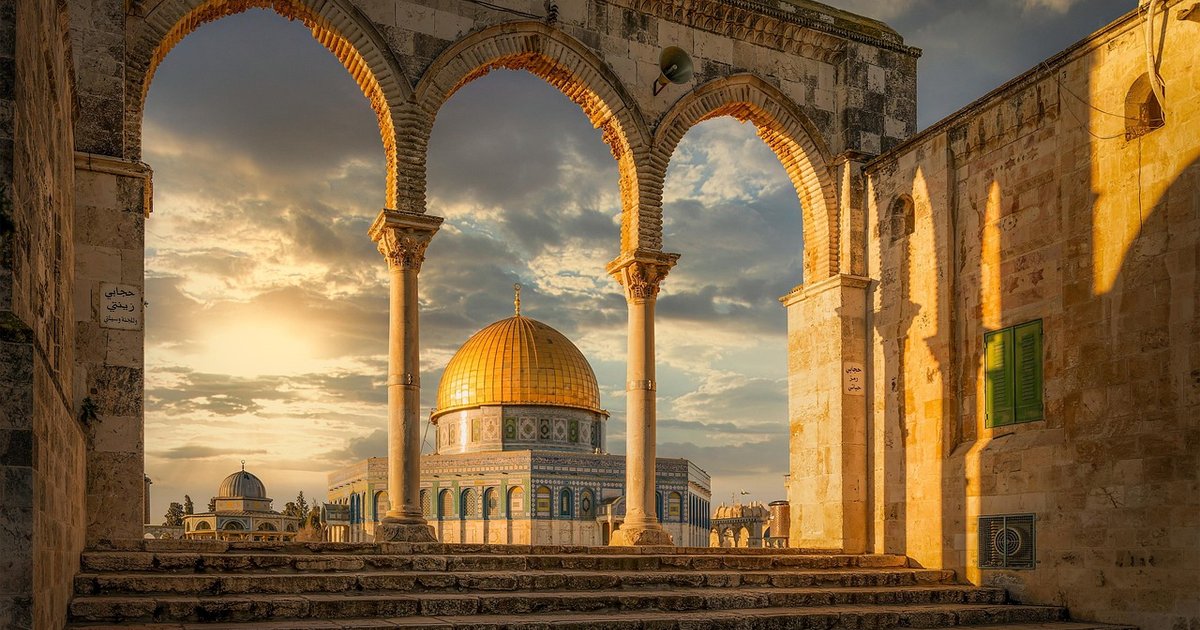
The Israeli occupation authorities continue to keep Al-Aqsa Mosque and the Church of the Holy Sepulchre in Jerusalem closed, marking the thirty-seventh day of this measure, which has provoked angry reactions from both Palestinians and the international community.
This closure occurs at a sensitive time, coinciding with important religious celebrations for both Muslims and Christians, which heightens tensions in the holy city. In recent days, there has been an increase in popular protests against this measure, as many consider it a violation of their fundamental rights.
Details of the Situation
The occupation authorities impose strict restrictions on worshippers' access to Al-Aqsa Mosque, subjecting them to thorough searches before allowing entry. The Church of the Holy Sepulchre has also been closed, affecting thousands of visitors and tourists wishing to visit this historical and religious landmark.
These actions are part of the occupation's policy aimed at controlling sacred sites in Jerusalem, where both Al-Aqsa Mosque and the Church of the Holy Sepulchre are significant religious and cultural symbols for Muslims and Christians alike.
Background & Context
Historically, Jerusalem has witnessed numerous crises and tensions due to the Israeli-Palestinian conflict. Since the city's occupation in 1967, the occupation authorities have followed policies aimed at altering the demographic and religious status of the city. These policies have exacerbated the conflict and increased tensions between Palestinians and Israelis.
In recent years, the frequency of violations in Jerusalem has escalated, with numerous incidents of assaults on worshippers and restrictions on freedom of movement and access to sacred sites. These policies raise concerns within the international community, which calls for the necessity to respect Palestinian rights and freedom of worship.
Impact & Consequences
These measures significantly affect the daily lives of Palestinians in Jerusalem, as they face difficulties accessing their places of worship. Furthermore, these policies amplify feelings of frustration and anger among Palestinian youth, potentially leading to heightened tensions in the region.
Moreover, the continued closure of sacred sites may negatively impact interfaith relations and increase divisions within society. Many human rights organizations have warned that these policies could lead to an explosion of tensions in the holy city.
Regional Significance
The situation in Jerusalem represents a central issue for Arabs and Muslims worldwide. The closure of Al-Aqsa Mosque and the Church of the Holy Sepulchre not only affects Palestinians but also provokes strong reactions in Arab and Islamic countries, where many view these violations as an assault on Islamic and Christian sanctities.
Many Arab countries are striving to support Palestinian rights in international forums, where this issue is addressed in Arab and international meetings. The continuation of these violations may escalate political positions and increase pressure on the Israeli occupation.
The ongoing closure of Al-Aqsa Mosque and the Church of the Holy Sepulchre poses a significant challenge to peace in the region and necessitates urgent international action to protect Palestinian rights and ensure freedom of worship for all.