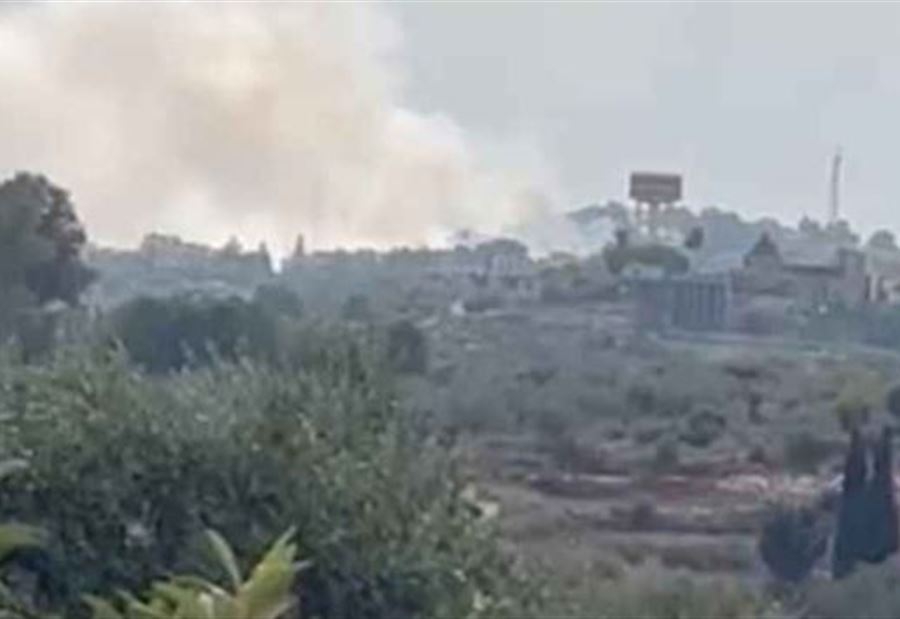
Local sources report that the intense Israeli bombing of bridges in southern Lebanon has completely isolated the area, making travel between cities and villages nearly impossible. This escalation comes at a sensitive time, as residents are suffering from the ongoing conflict's repercussions.
Reports indicate that the bombing targeted several key bridges, leading to their complete destruction. One resident described the situation as a "return to the Stone Age," referring to the difficulties people face in obtaining basic necessities.
Details of the Event
The Israeli bombing targeting bridges in southern Lebanon is part of an increasing military escalation in the region. This attack has severed vital roads, impacting traffic and the supply of food and medical resources. Residents are experiencing a severe shortage of essential materials, exacerbating their suffering under the current circumstances.
The targeted bridges are vital arteries connecting various regions and were used for transporting supplies and goods. With their destruction, residents find themselves trapped in their areas, increasing psychological and economic pressures on them.
Background & Context
Historically, the region has witnessed ongoing tensions between Lebanon and Israel, with armed conflicts recurring periodically. The recent bombing comes in the context of escalating tensions following a series of border clashes, reflecting a state of instability in the region. These conflicts have led to a deterioration of humanitarian conditions in Lebanon, where residents are suffering from the effects of the ongoing conflict.
In recent years, the region has seen a rise in military attacks, worsening humanitarian crises. The bombing of bridges is considered part of a military strategy aimed at weakening Lebanon's ability to face economic and social challenges.
Impact & Consequences
The consequences of the Israeli bombing of bridges in southern Lebanon will be far-reaching. In addition to the immediate impact on mobility, this attack is expected to exacerbate the humanitarian situation in the region. Residents are already suffering from a severe shortage of supplies, and with the destruction of infrastructure, their suffering will significantly increase.
This escalation may also provoke reactions from armed groups in Lebanon, potentially intensifying the conflict and affecting regional stability. The continuation of these attacks could plunge the region into further chaos, threatening security and peace in Lebanon and neighboring countries.
Regional Significance
The events in southern Lebanon raise widespread concern in the Arab region. With rising tensions, these events may affect relations between Arab countries and Israel, complicating political situations. Additionally, the humanitarian crises in Lebanon may prompt international interventions, reflecting the urgent need for lasting solutions to the conflict.
Under these circumstances, Arab countries must stand in solidarity with Lebanon and provide the necessary support to address humanitarian crises. The situation in Lebanon reflects larger challenges facing the region, necessitating a collective response from Arab nations.