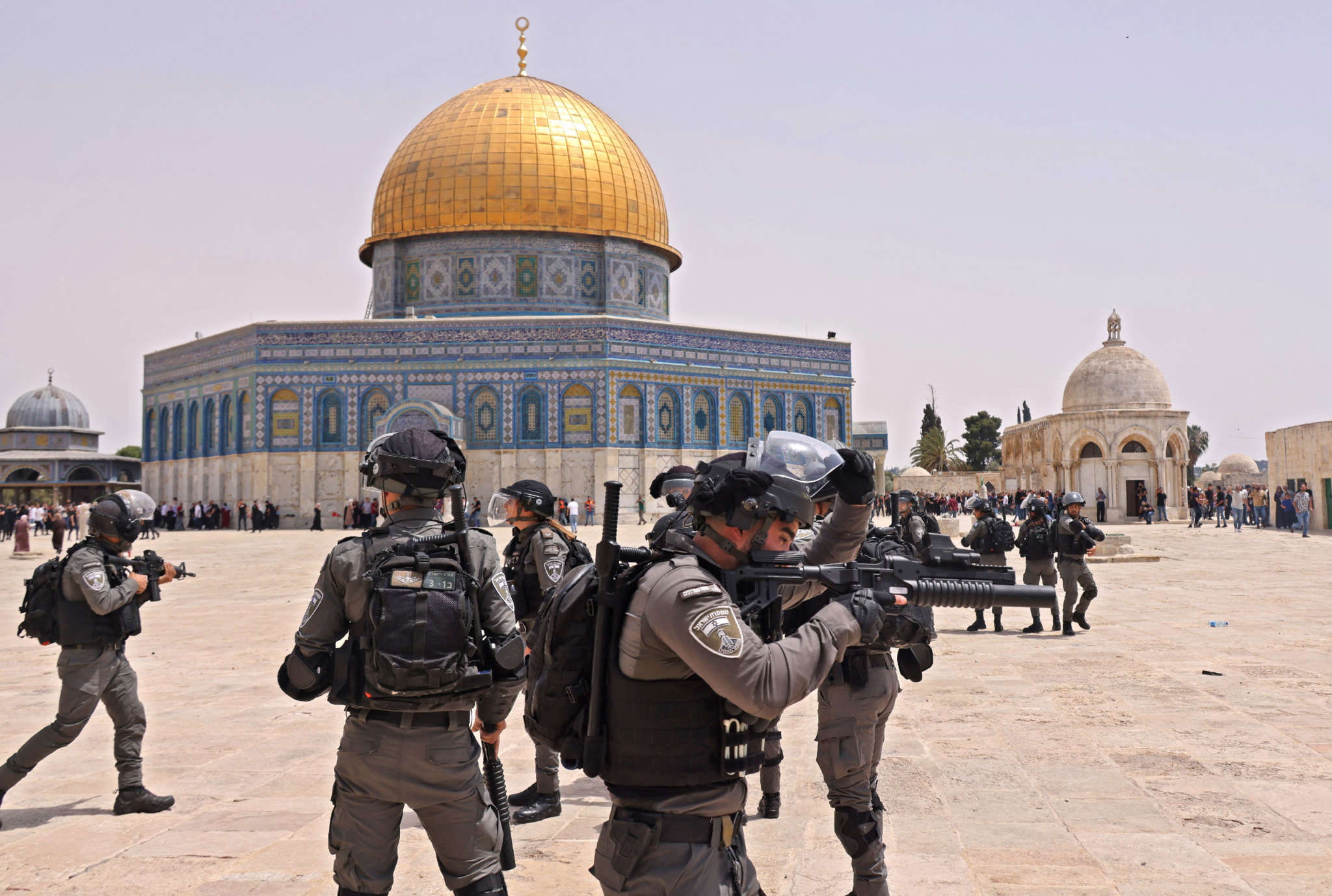
The Israeli Supreme Court rejected on Tuesday the petition submitted by the Temple Organizations Union, which sought a ruling allowing them to invade Al-Aqsa Mosque before the end of the Jewish Passover. This decision raises questions about the legality of Israeli courts' involvement in Al-Aqsa's affairs and reflects the complexities of the legal situation in Jerusalem.
Attorney Khaled Zbarqa, an expert in Jerusalem and Al-Aqsa issues, pointed out that the court's acceptance to consider this petition implies an implicit recognition that Al-Aqsa Mosque is under Israeli sovereignty. This also disregards the role of the Jordanian Kingdom as an internationally recognized sovereign entity managing Al-Aqsa's affairs.
Event Details
On March 24, the Israeli government extended the state of emergency until April 14, informing the police to extend the closure of the mosque during this period. This measure reflects the occupation's policy of controlling Islamic sanctities and strengthens Israel's position as an occupying authority.
Zbarqa confirmed that the court's decision reflects a blatant disregard for international resolutions, as Israel considers itself sovereign over the holy sites in Jerusalem, including Al-Aqsa Mosque. This situation necessitates a reevaluation of how Israeli courts handle issues related to Jerusalem.
Context and Background
Historically, Al-Aqsa Mosque has witnessed ongoing tensions between Palestinians and settlers, as the occupation seeks to change the status quo. In recent years, Jerusalem has seen an escalation in incursions by settlers, leading to a worsening of security conditions.
The Jordanian Islamic Waqf is considered the responsible authority for managing Al-Aqsa Mosque's affairs; however, Israeli actions reflect a disregard for its role. This raises concerns about the future of Islamic sanctities in Jerusalem.
Consequences and Impact
The Israeli court's decision is seen as a step towards entrenching Israeli control over Al-Aqsa, which could lead to heightened tensions in the region. This situation reflects significant challenges facing Palestinians in maintaining their rights to their holy sites.
Zbarqa noted that allowing access to Al-Aqsa for settlers could lead to its temporal division, threatening Muslims' rights to access the mosque. This situation requires urgent action from relevant parties to protect Al-Aqsa.
Impact on the Arab Region
Events at Al-Aqsa Mosque are pivotal in the Palestinian-Israeli conflict, eliciting widespread reactions in the Arab world. Any escalation at Al-Aqsa could lead to political and security repercussions in the region, increasing tensions between Arab states and Israel.
Under these circumstances, Arab countries must support Palestinians' rights at Al-Aqsa and work to bolster Jordan's position as a custodian of Islamic sanctities. Preserving Al-Aqsa is part of Palestinian and Arab identity and requires concerted efforts to protect it.