The number of Israeli fatalities since the onset of the new war with Iran has risen to 30, following the death of an officer and three soldiers from the engineering battalion of the Nahal Brigade on Monday evening in southern Lebanon. This figure reflects the escalating tensions in the region, as it equals the number of casualties recorded during the 12-day war last June, which also saw the deaths of 11 soldiers on the Lebanese front.
These developments come at a sensitive time, with growing concerns about the escalation of conflict in the region, raising questions about the effectiveness of Israeli military strategies in addressing increasing security challenges.
Details of the Incident
The recent incident that led to the deaths of the officer and three soldiers highlights the intensifying clashes in border areas. Israeli forces had commenced military operations in Lebanon as part of their efforts to counter what they perceive as threats from Hezbollah, which is considered one of the prominent armed factions in the region.
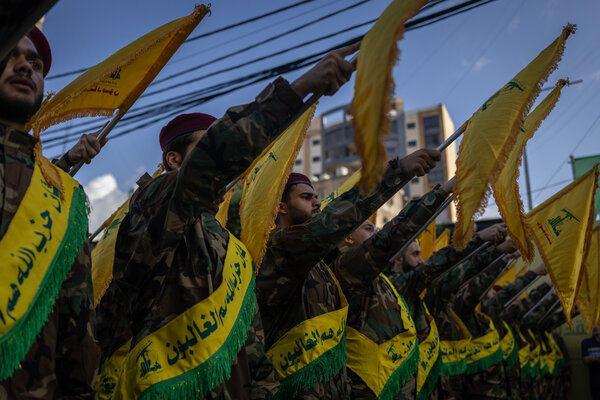
The Israeli casualties in this war reflect the challenges faced by Tel Aviv in achieving its military objectives, as reports indicate that Hezbollah has managed to inflict significant losses on Israeli forces, raising questions about the Israeli army's ability to secure quick victories.
Background & Context
Historically, the relationship between Israel and Hezbollah has been marked by ongoing tensions, with several wars and conflicts erupting since 2000. Hezbollah, established in the 1980s, is regarded as a key player in the Lebanese and regional conflict, relying on strong Iranian support.
The recent war is seen as a continuation of the ongoing struggle between the two sides, with each seeking to achieve its strategic objectives. The recent escalation occurs amid complex political circumstances in Lebanon, where the country is suffering from severe economic and political crises.
Impact & Consequences
The military escalation in Lebanon could lead to serious repercussions for regional security. The increase in casualties may bolster Hezbollah's position domestically, potentially leading to further escalation in military operations. Additionally, the continuation of the war could negatively impact stability in Lebanon, which is already grappling with multiple crises.
On the other hand, Israel may be compelled to reassess its military strategies, particularly in light of the increasing losses. This could result in changes to Israeli policy towards Lebanon and may open the door for new negotiations or further escalation.
Regional Significance
The impact of these events extends beyond Lebanon and Israel, encompassing the entire Arab region. The rising tensions could affect relations between Arab countries and Iran, especially given Iran's support for Hezbollah. Moreover, any military escalation could lead to an influx of refugees and exacerbate humanitarian crises in the region.
Ultimately, the situation in Lebanon remains under scrutiny, as the world watches the developments of the conflict and its potential effects on regional stability.