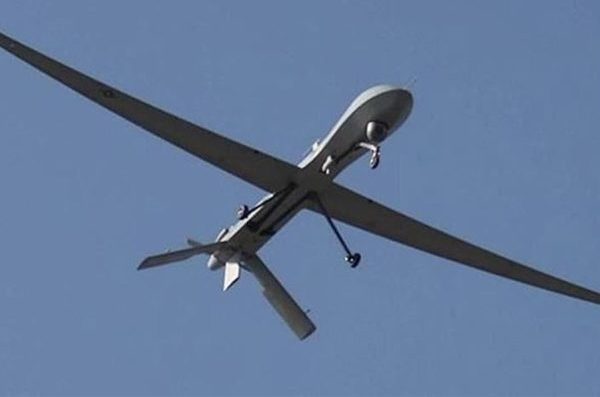
The sounds of Israeli drones cause constant anxiety among Lebanese citizens, negatively impacting their mental health, especially that of children. This creates a persistent state of tension in daily life.
The noise from the drones is no longer just a passing disturbance; it has become a part of daily life for the Lebanese, accompanying them everywhere and stirring feelings of anxiety and fear.
Details of the Incident
Aida, a resident of Beirut, shares how the sound of Israeli drones has become part of her daily routine, stating: "I feel like they are inside the house, right above us. The noise is unbearable, and the headache never leaves me." This continuous sound creates a state of discomfort, turning into a heavy companion that follows people in their homes and workplaces.
Fatima, another citizen, expresses her suffering by saying: "It's a kind of psychological warfare; a person can endure the sound for minutes, but when it lasts for hours, everything starts to accumulate—tension, anxiety, and relentless pressure." These feelings intensify with the ongoing noise, making daily life increasingly difficult.
Background & Context
Israeli drones are considered part of a military strategy aimed at controlling Lebanese airspace, used for surveillance and reconnaissance purposes. With technological advancements, these aircraft can now perform offensive missions autonomously, heightening the concerns of the local population.
Cybersecurity expert Roland Abi Najm states that the impact of drones is not limited to direct military use but also includes the psychological effects of the noise they produce, creating a state of tension and anxiety among residents. The sound generated by their low-altitude flights contributes to amplifying these feelings.
Impact & Consequences
The psychological effects are particularly evident in children, with psychologist George Abu Mar'i expressing concern over how these sounds affect their psychological development. Children, who lack the ability to interpret the source of the noise, perceive it as a direct signal of danger, leading to feelings of fear and ongoing anxiety.
These effects manifest in children's behavior, where they exhibit sudden fear, frequent crying, and excessive attachment to their parents. Moreover, the persistence of this noise pattern may instill a lasting sense of insecurity, adversely affecting their psychological growth.
Regional Significance
This phenomenon is part of the ongoing tensions in the region, reflecting the use of modern technology in psychological warfare. The impact of Israeli drones on the psychological security of Lebanese citizens could have broader implications for stability in the region, as it contributes to heightened feelings of anxiety and insecurity.
In light of these circumstances, the role of parents remains crucial in providing reassurance to children by staying close to them and explaining what is happening in simple terms, which helps mitigate the effects of the ongoing noise.