The Secretary-General of the Palestinian National Initiative, Mustafa Barghouti, has raised alarms about the dangerous media blackout surrounding events in the Palestinian territories, as the world focuses on the U.S.-Israeli war against Iran. Barghouti confirmed that this distraction is being used to escalate Israeli violations in both the Gaza Strip and the West Bank.
In statements to Al Jazeera Mubasher, Barghouti pointed out that Israeli Prime Minister Benjamin Netanyahu is systematically working to disrupt any negotiation process, resorting to military escalation whenever there are signs of a potential ceasefire. He asserted that Netanyahu deliberately aims to "suppress all attempts at calming the situation" by targeting Iranian energy facilities concurrently with mediation efforts.
Details of the Situation
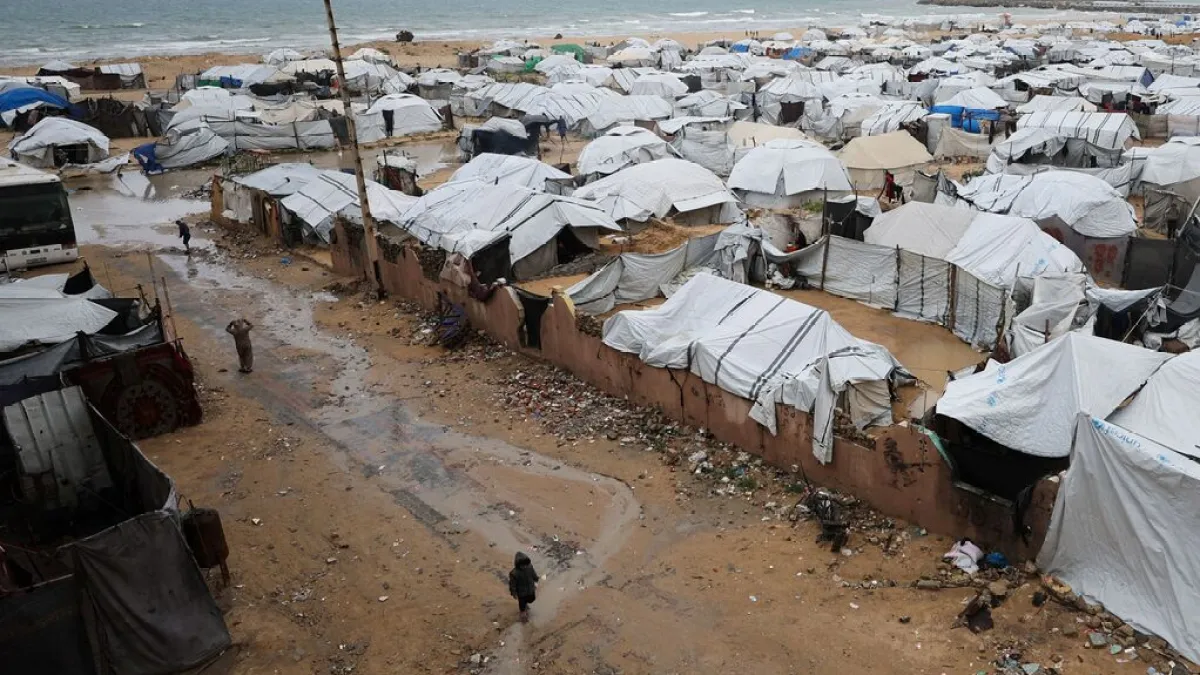
Barghouti explained that the conditions in the Gaza Strip are "extremely dangerous," with violations of the ceasefire agreement exceeding 1,700, resulting in the martyrdom of over 700 Palestinians since the announcement of the ceasefire. The humanitarian crisis has worsened due to restrictions on the entry of aid, with only 50 to 60 trucks entering the region daily, which is about 10% of the agreed quantities, despite the need for at least 1,000 trucks per day.
Barghouti warned of a humanitarian catastrophe and a sharp increase in malnutrition rates, especially among children. He also highlighted a severe deterioration in the health sector due to the prevention of medical equipment and supplies from entering, alongside restrictions on the exit of the injured and sick through the Rafah Crossing. He noted that thousands of injured individuals will require years of treatment, with around 18,000 injured and sick people in urgent need of treatment outside of Gaza.
Context and Background
In the West Bank, Barghouti confirmed that Israel is escalating its attacks in parallel with the war, noting that settlers are carrying out assaults that include burning homes, properties, and health centers, in addition to gunfire, resulting in the martyrdom of 11 Palestinians by settlers' bullets since the war began. These assaults are part of a policy aimed at expanding control over the land and displacing the population.
Commenting on the entry of Knesset members into shelters following rocket fire, Barghouti pointed out the absence of any similar protective infrastructure for Palestinians in the West Bank, noting that there have been casualties due to Israeli interception rockets, including four girls in the town of Beit Awa.
Consequences and Implications
Regarding Israeli Prime Minister Benjamin Netanyahu's objectives from the war, Barghouti stated that they revolve around strengthening Israeli control over Palestinian territories. He emphasized that what is happening within Israel is not limited to a "fascist" government but reflects a broad societal trend, with around 90% of Israelis supporting the continuation of the war despite its economic repercussions. He also criticized the opposition's positions, indicating that they have also adopted escalatory stances.
Barghouti stressed that Israeli policies based on "domination and expansion" hinder the achievement of peace, warning that the continuation of these policies will lead to further conflicts in the region.
Impact on the Arab Region
The Israeli escalation in the Palestinian territories comes at a sensitive time, as tensions in the region are increasing overall. This situation reflects significant challenges faced by Arab countries in supporting the Palestinian cause, especially amid internal and external distractions. Additionally, the continuation of Israeli violations may exacerbate humanitarian and political crises in the region.
In conclusion, the situation in the Palestinian territories remains alarming, necessitating urgent international action to end the escalation and ensure the rights of Palestinians. The persistence of these Israeli policies could threaten stability across the entire region.