Israeli officials estimate that Iran will not launch missiles towards Israel unless it halts its massacres and destruction in Lebanon. This statement comes amid rising tensions in the region as Israel continues its military operations in southern Lebanon, increasing fears of potential Iranian retaliation.
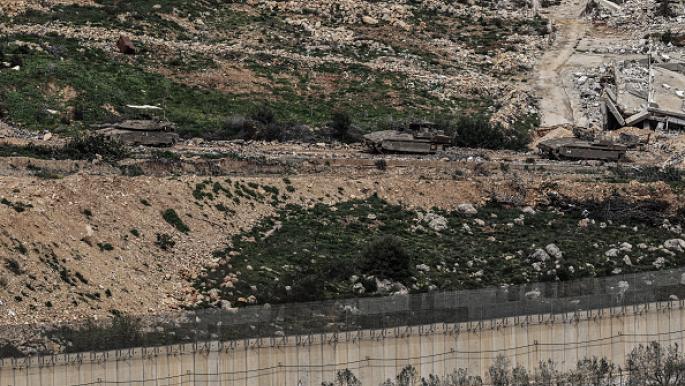
Israel continues to carry out military operations targeting Hezbollah positions in various areas of Lebanon, resulting in the destruction of numerous facilities and infrastructure. These operations are framed by Israel as a defense of its national security, but this strategy raises concerns within the international community and escalates tensions in the region.
Details of the Situation
Reports indicate that Israeli forces have surrounded the city of Bint Jbeil, one of the areas that has witnessed an escalation in military operations. These operations have led to the displacement of many local residents, exacerbating the humanitarian burden in the region. Israeli officials believe that Iran, despite its support for Hezbollah, will not take direct military action against Israel at this time.
Despite mutual threats, it seems that Iran prefers to use other means to pressure Israel, such as supporting armed factions in the region. This tactic may help reduce direct risks to Iran while keeping Hezbollah in a strong position in Lebanon.
Background & Context
Historically, relations between Israel and Iran have been tense, especially following the Islamic Revolution in 1979. Since then, Iran has become a major supporter of Hezbollah, which is considered one of Israel's primary adversaries in the region. Israeli military operations in Lebanon are not new, but they have seen a notable escalation in recent years, particularly following events in the Arab region.
These developments coincide with rising tensions in the Middle East, where regional and international powers compete for influence. Iran, which sees itself as a protector of resistance, seeks to strengthen its presence in Lebanon and Syria, while Israel aims to undermine this influence.
Impact & Consequences
If Israeli military operations in Lebanon continue, they could lead to a greater escalation in the conflict, potentially dragging the region into a full-scale war. This scenario could have negative repercussions on regional stability and increase civilian suffering in Lebanon.
On the other hand, if Iran decides to respond, it could lead to unprecedented military escalation in the region, threatening both regional and international security. The international community is closely monitoring these developments, seeking to avoid any escalation that could lead to widespread conflict.
Regional Significance
These events are indicative of the ongoing tensions in the region, which affect neighboring Arab countries. The conflict between Israel and Iran could draw other nations into the fray, complicating the situation in the Middle East further.
On a humanitarian level, civilians in Lebanon are suffering from the repercussions of these military operations, as humanitarian burdens increase with the destruction of infrastructure and mass displacement. This situation requires an urgent response from the international community to provide necessary humanitarian assistance.
The situation in Lebanon remains under close watch, as fears of military escalation that could alter the balance of power in the region grow. The continuation of Israeli military operations may provoke unexpected reactions from Iran, complicating the security landscape in the Middle East.