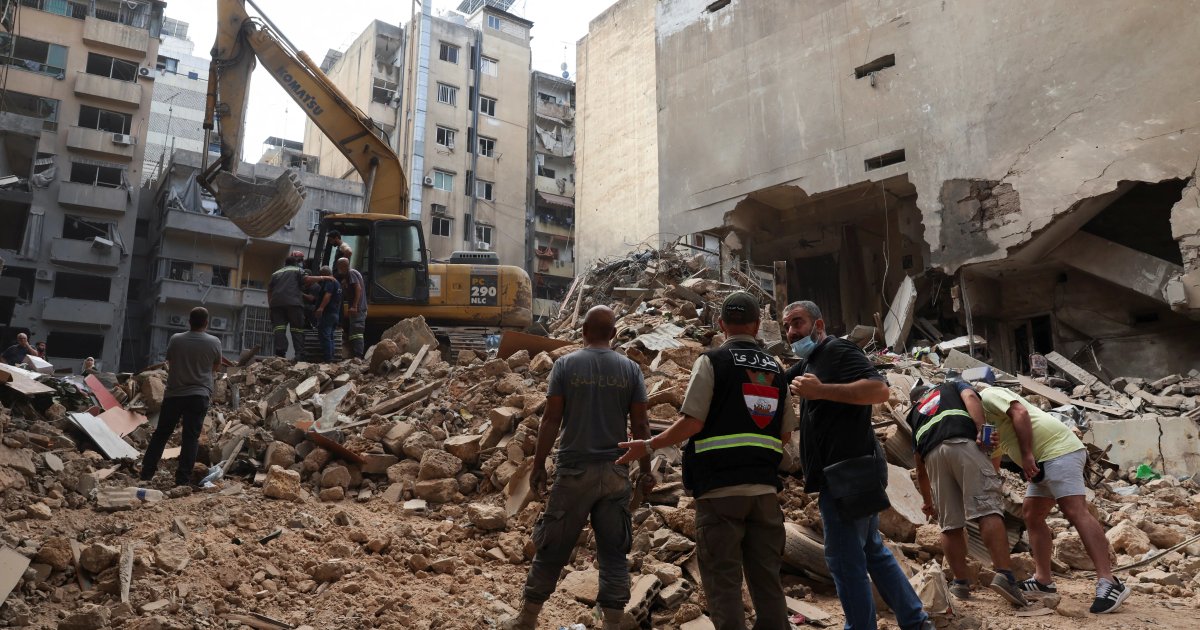
The Israeli occupation forces have issued evacuation orders for residents of 41 towns located between the northern Litani River and the southern Zahrani River, urging them to relocate north of the Zahrani River. This has sparked panic and concern among the local population. These orders come at a sensitive time, as residents in the area are experiencing increasing tensions due to ongoing political and security events.
These towns are distributed along the Lebanese-Israeli border, making them vulnerable to ongoing tensions between the two sides. Many residents have expressed their fears regarding the deteriorating security situation, as these orders could lead to mass displacement and loss of homes and properties.
Details of the Incident
Reports indicate that the Israeli orders were issued as part of what the occupation considers a security necessity, with specific areas designated for evacuation. Residents have been warned that any delay in complying with these orders could expose them to greater risks. At the same time, Israeli authorities have not provided any details regarding the underlying reasons for this move, which heightens anxiety among the population.
The targeted towns are populated areas, meaning that many families may face significant difficulties in relocating to new areas. Some residents have shown a willingness to comply with the orders, while others refuse to leave their homes, where they have lived for many years.
Background & Context
Historically, the southern region of Lebanon has witnessed ongoing tensions between Lebanon and Israel, with these areas being the scene of numerous military conflicts. These conflicts have led to the displacement of many residents in previous periods, affecting the demographic makeup of the region. Additionally, the political situation in Lebanon, including economic and political crises, complicates the current situation.
In recent years, the Lebanese-Israeli border has seen an escalation in military activities, causing residents to live in a state of constant anxiety. The current orders are considered part of the occupation's policy towards border areas, as it seeks to secure its borders by evacuating the population.
Impact & Consequences
Reports predict that these orders will increase tensions in the region, as residents may fear losing their homes and lands. Furthermore, mass displacement could exacerbate humanitarian crises in Lebanon, which is already suffering from multiple crises, including economic and health issues.
These developments are likely to affect relations between Lebanon and Israel, potentially provoking reactions from the Lebanese government or political groups in the region. The international community may intervene in an attempt to calm the situation, but the outcomes remain uncertain.
Regional Significance
These events are part of the larger picture of crises in the Arab region, contributing to heightened fears of escalating conflicts. The situation may impact neighboring countries, as the flow of refugees to countries such as Syria and Jordan could increase.
Moreover, the situation in Lebanon may raise concerns among other Arab countries, necessitating diplomatic efforts to mitigate tensions. In this context, the international community must be more engaged in addressing the crises affecting security and stability in the region.