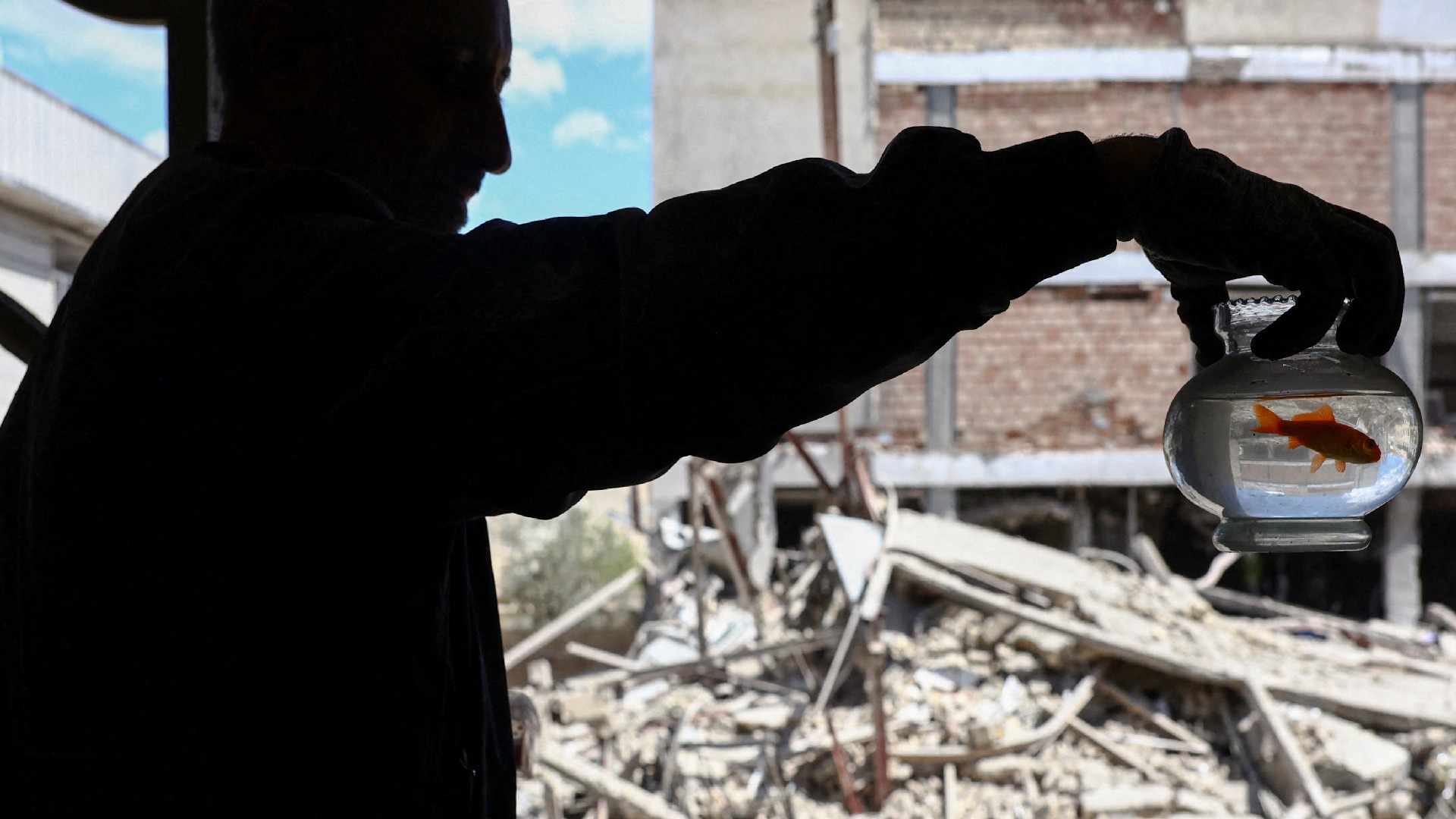
In a new escalation, Israeli forces have confirmed that they executed more than 400 airstrikes on the Iranian capital, Tehran, over the past two days. Reports indicate that these strikes targeted infrastructure deemed by Israel to be connected to the Iranian government, with around 650 munitions used in these operations.
The Israeli forces stated that the nighttime attacks targeted dozens of sites in the capital, including around 15 weapons production facilities, among which was a complex linked to the Iranian Ministry of Defense.
Details of the Event
These airstrikes are among the most intensive military operations conducted by Israel against Iran, focusing on strategic sites aimed at undermining Iran's military capabilities. Images circulated on social media show extensive destruction in some targeted areas, reflecting the scale of the military operations.
These developments come at a sensitive time, as the region is witnessing increasing tensions between Iran and Israel, amid rising concerns over Iran's nuclear program and its expanding influence in the Middle East. Israel has regarded these airstrikes as part of its strategy to prevent Iran from enhancing its military capabilities.
Background & Context
Historically, relations between Iran and Israel have been tense, with Israel viewing Iran as an existential threat. In recent years, there has been an escalation in Israeli attacks on Iranian targets, particularly in Syria and Lebanon, where Israel seeks to prevent Iran from establishing military bases near its borders.
In recent years, Iran has increased its military activity in the region, prompting Israel to take preemptive measures. International relations have also seen rising tensions, as major powers seek to negotiate with Iran over its nuclear program, complicating the situation in the region.
Impact & Consequences
These airstrikes indicate a potential escalation in the conflict between Iran and Israel, which could lead to military responses from the Iranian side. Tehran has warned that it will respond to any aggressions, increasing the likelihood of a broader conflict in the region.
Additionally, these events may impact relations between Iran and Western countries, especially amid ongoing discussions regarding the nuclear agreement. These airstrikes could complicate negotiations and heighten tensions among the involved parties.
Regional Significance
These developments directly affect security and stability in the Arab region, where many Arab countries are experiencing tensions due to the Iranian-Israeli conflict. Countries such as Lebanon and Syria may be particularly affected, as Iran is a key ally of many armed factions in those countries.
The military escalation could also lead to increased tensions between Arab countries and Iran, negatively impacting regional security. It is crucial for Arab nations to remain vigilant regarding these developments and seek to enhance security cooperation to address any potential threats.