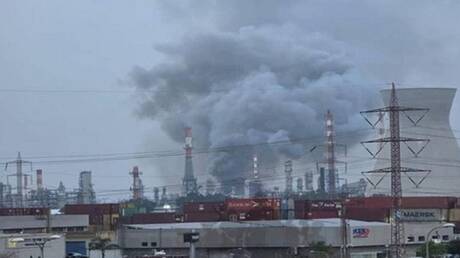
The Israeli army has executed more than 230 airstrikes in the past 24 hours, targeting vital infrastructure in Iran. These operations come as part of a broader strategy to undermine Iranian military capabilities, which Israel views as a threat to its national security. Israeli military sources confirmed that these strikes aimed to thwart any attempts by Iran to enhance its military capabilities in the region.
Reports indicate that the strikes targeted several sites across Iran, including the capital, Tehran. These operations were carried out using drones and precision missiles, showcasing the advancement of Israeli military capabilities in conducting long-range operations.
Details of the Operations
Reports suggest that the airstrikes focused on sites deemed critical for the development of chemical weapons, raising international concerns about the potential use of such weapons in future conflicts. Some Western nations have expressed alarm over the escalating tensions in the region and have called for restraint from all parties involved.
The airstrikes are seen as part of a long-term Israeli strategy aimed at curtailing Iranian military capabilities, which Israel perceives as an existential threat due to Iran's support for armed groups in the region, such as Hezbollah in Lebanon and Hamas in Gaza. Additionally, Iran's nuclear program has exacerbated these tensions, with Israel fearing that Iran's development of nuclear capabilities could alter the balance of power in the region.
Background & Context
The roots of the tensions between Israel and Iran stretch back several decades, with Israel considering Iran a significant threat due to its backing of militant groups. In recent years, Israel has intensified its operations against Iranian targets in Syria, but these latest airstrikes represent an unprecedented escalation, directly targeting Iranian territory. This escalation serves as a clear message from Israel that it will not hesitate to use military force to protect its national security.
These operations raise questions about potential reactions from Iran, which may view these strikes as a violation of its sovereignty. Iran has warned that it will respond appropriately to any aggressions, increasing the likelihood of further escalation in the conflict.
Impact & Consequences
The implications of these airstrikes could significantly affect relations between Iran and Western nations, possibly leading to increased pressure on Tehran to make concessions in nuclear agreement talks. Simultaneously, these strikes may encourage some Arab nations to strengthen their security cooperation with Israel in the face of Iranian threats.
Furthermore, these operations could impact the security situation in Iraq and Syria, where Iranian-linked militias are present. These areas may witness an escalation in military operations, exacerbating civilian suffering and complicating peace efforts in the region.
Regional Significance
These developments hold considerable importance for the Arab region, as they may lead to a reshaping of regional alliances. Amid rising tensions, some Arab nations may seek to bolster their relationships with Israel, particularly in light of shared threats from Iran.
In conclusion, the recent Israeli airstrikes on Iran mark a turning point in the regional conflict, highlighting the security challenges faced by countries in the area and underscoring the need for diplomatic solutions to alleviate tensions.