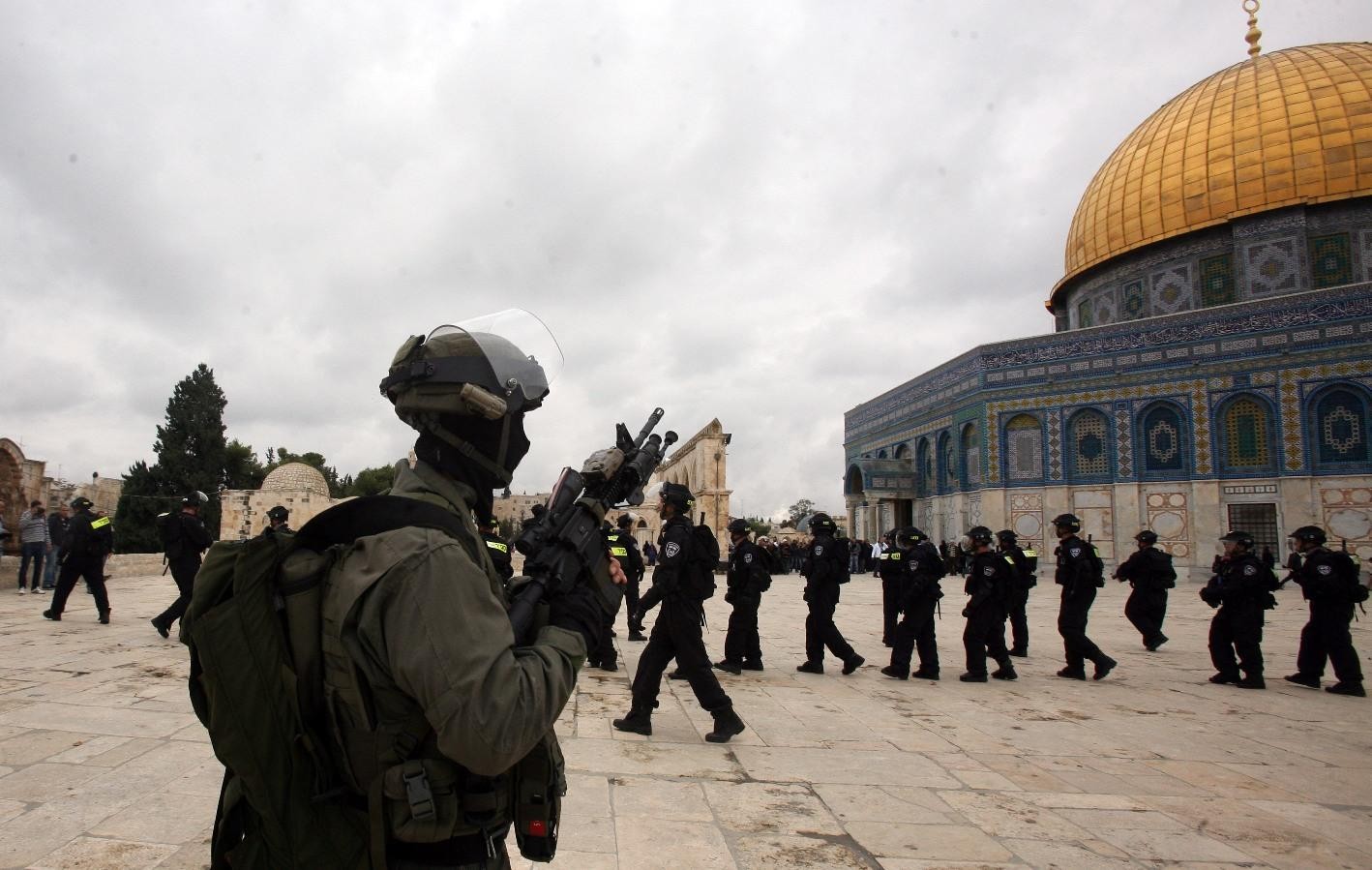
The Israeli occupation continues to close Al-Aqsa Mosque for the thirty-fourth consecutive day, reflecting an escalation in the security measures taken by Israeli authorities in Jerusalem. This closure, which began earlier last month, has provoked angry reactions from Palestinians, who regard Al-Aqsa Mosque as a national and religious symbol.
This move comes at a time when the situation in the Palestinian territories is increasingly tense, with rising assaults on worshippers and restrictions on access to holy sites. Many Palestinian leaders have condemned these measures, emphasizing the need to respect Muslims' rights to access Al-Aqsa Mosque.
Details of the Event
The closure of Al-Aqsa Mosque followed a series of tense events, including clashes between Palestinians and occupation forces. The mosque's doors have been closed to worshippers, depriving thousands of performing their daily rituals. This closure has not only affected the mosque but has also included many surrounding areas, heightening tensions in the holy city.
Reports indicate that occupation forces have reinforced their presence around Al-Aqsa Mosque, leading to increased friction with Palestinians. Numerous arrests have been recorded in recent days, with Israeli forces detaining several Palestinian youths in the vicinity of the mosque.
Background & Context
Historically, Al-Aqsa Mosque is considered a focal point of the Israeli-Palestinian conflict, representing significant religious importance for Muslims. The past years have witnessed numerous events that have led to heightened tensions in the region, including repeated incursions into the mosque by Israeli settlers. These incursions often lead to confrontations with Palestinians who attempt to defend their sacred sites.
In recent years, the Israeli government has intensified its security measures around Al-Aqsa Mosque, exacerbating the situation. Palestinians view these measures as an attempt to change the status quo in the holy city, a move that is rejected by the international community.
Impact & Consequences
The continued closure of Al-Aqsa Mosque has serious implications for the security situation in Jerusalem. This closure could escalate confrontations between Palestinians and occupation forces, negatively impacting security and stability in the region. Furthermore, this situation may provoke reactions from Arab and Islamic countries, which consider Al-Aqsa Mosque a part of their religious identity.
Moreover, the ongoing closure of Al-Aqsa may affect relations between Palestinians and Israelis, increasing tensions within Palestinian society. This could lead to renewed calls for popular resistance, further complicating the situation in the region.
Regional Significance
Al-Aqsa Mosque represents an important symbol for Arabs and Muslims worldwide. Its continued closure may lead to a strong response from Arab countries, which may call for diplomatic actions or even popular protests. Additionally, this situation could affect relations between Arab states and Israel, especially given the current political circumstances.
In conclusion, the closure of Al-Aqsa Mosque remains a sensitive issue affecting security and stability in the region. The continuation of this closure requires international intervention to ensure Palestinians' rights to access their sacred sites and to work towards calming the situation in Jerusalem.