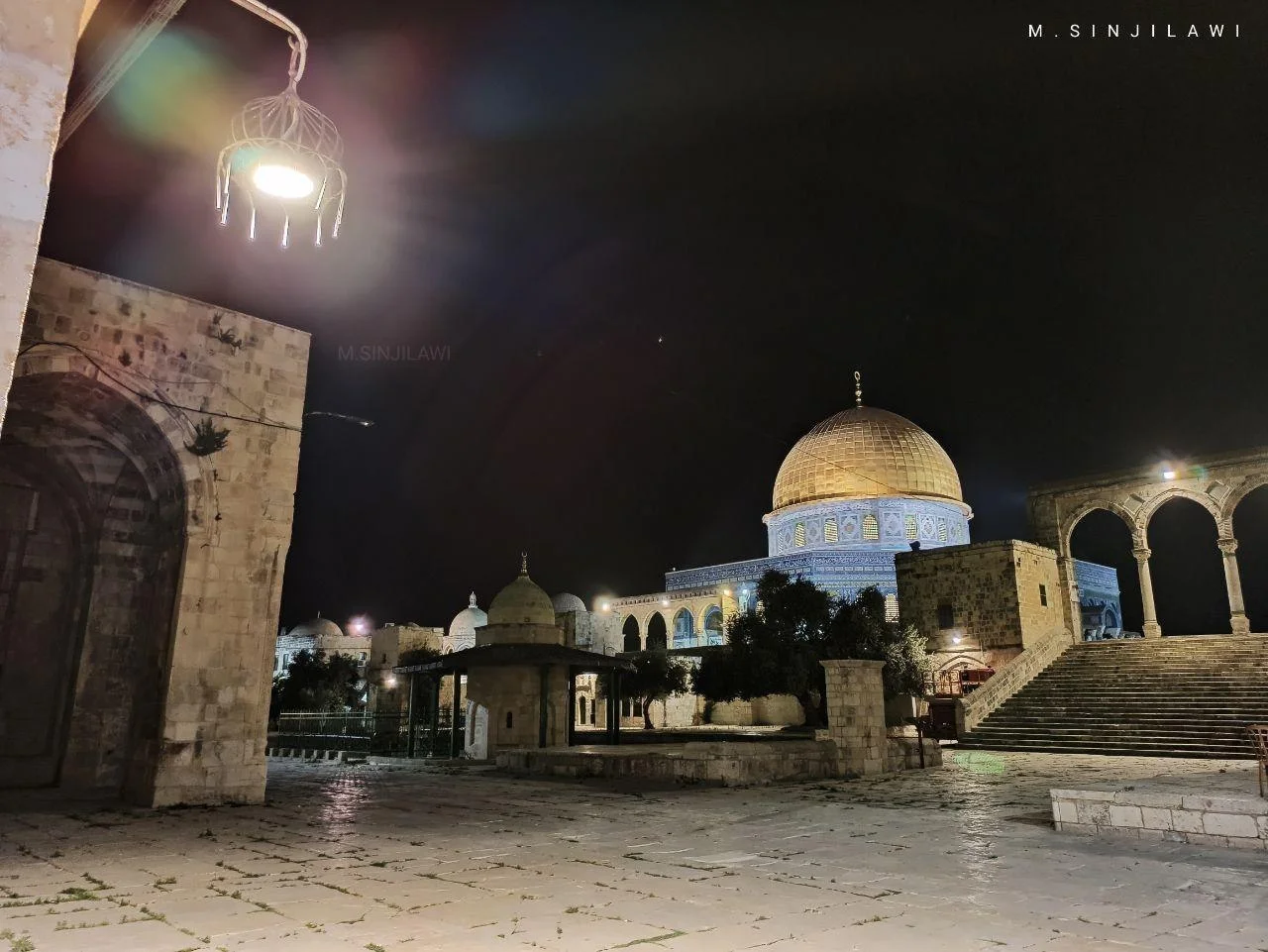
The Israeli occupation continues to close Al-Aqsa Mosque and the Church of the Holy Sepulchre for the fortieth day, raising fears about the implications of this action on the security situation in Jerusalem. This closure comes at a sensitive time, as tensions between Palestinians and Israelis are escalating, threatening stability in the region.
Al-Aqsa Mosque and the Church of the Holy Sepulchre are among the most important religious sites in the world, representing deep historical and cultural symbols for Palestinians, Muslims, and Christians alike. The ongoing closure reflects the occupation's policy of controlling sacred places, exacerbating tensions between the two sides.
Details of the Situation
The closure imposed on Al-Aqsa Mosque and the Church of the Holy Sepulchre is part of heightened security measures by Israeli authorities, preventing worshippers and tourists from accessing these sites. These measures have been justified as necessary for maintaining security, but many observers believe they reflect a discriminatory policy against Palestinians.
These events coincide with a rise in protests across various Palestinian cities, where citizens express their dissatisfaction with Israeli policies. There are also increasing calls from human rights organizations and the international community to lift these restrictions and allow freedom of worship.
Background & Context
Historically, Jerusalem has witnessed numerous conflicts over control of sacred sites. Al-Aqsa Mosque, considered the third holiest site in Islam, and the Church of the Holy Sepulchre, one of the holiest Christian sites, have long been focal points of tensions between Palestinians and Israelis. These events are not new but recur periodically, reflecting the depth of the crisis in the region.
In recent years, tensions have intensified due to Israeli policies aimed at altering the status quo in Jerusalem. These policies include the expansion of settlements and imposing restrictions on Palestinian access to their holy sites, increasing feelings of frustration and anger among Palestinians.
Impact & Consequences
The ongoing closure of Al-Aqsa Mosque and the Church of the Holy Sepulchre could lead to an escalation of violence in the region. Many experts warn that these policies may trigger a flare-up, especially given the strong sentiments on both sides. Furthermore, these measures could negatively impact relations between Palestinians and Israelis, making it difficult to achieve sustainable peace.
Moreover, the continued closure may affect tourism in Jerusalem, which is a significant source of income. Tourists from around the world visit these sacred sites, and any restrictions could lead to a decline in visitor numbers, adversely affecting the local economy.
Regional Significance
The events in Jerusalem are of great importance to the Arab region as a whole. The Israeli-Palestinian conflict is a central issue in the Arab world, and any escalation in tensions could impact stability in neighboring countries. Many Arab nations are closely monitoring the situation, as any escalation could have political and security repercussions in the region.
Additionally, these events may lead to increased popular support for the Palestinian cause in Arab countries, strengthening the Palestinians' position in international forums. At the same time, the ongoing closure may provoke negative reactions from the international community, increasing pressure on the Israeli occupation.
In conclusion, the situation in Jerusalem remains under observation, as the continued closure could exacerbate conditions. It is essential to find peaceful solutions that ensure freedom of worship for all religions and contribute to achieving stability in the region.