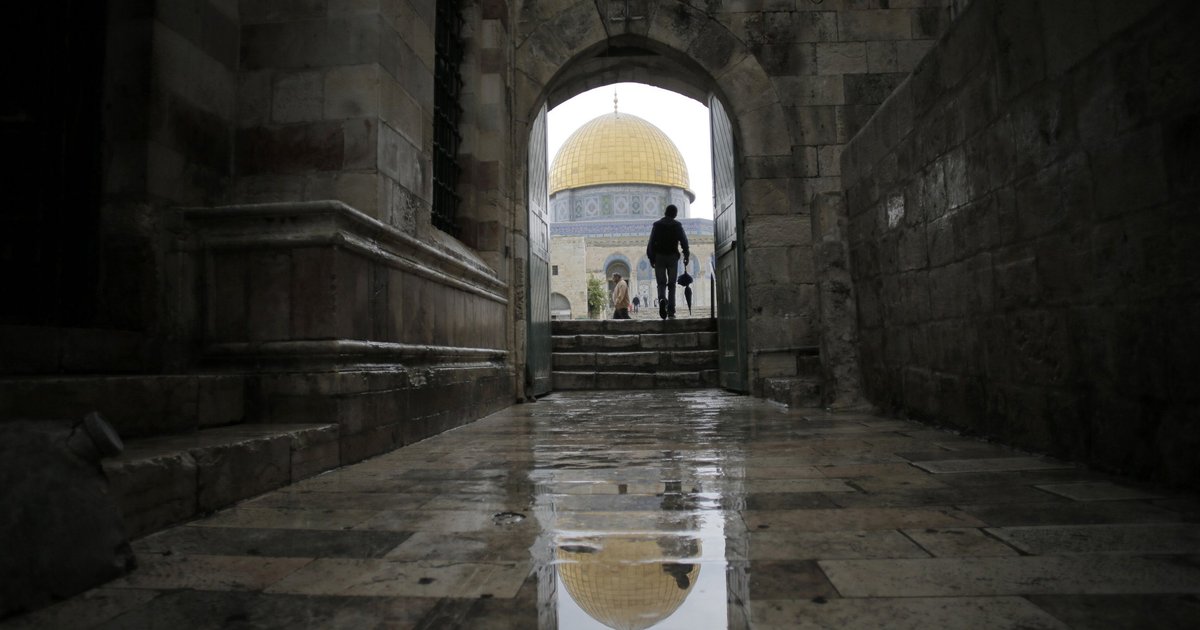
The Israeli occupation continues to keep Al-Aqsa Mosque closed for the 34th consecutive day, provoking widespread condemnation among Palestinians and Arabs. This closure, which began earlier last month, is part of an escalating security crackdown, as Palestinians face severe restrictions on access to one of their holiest sites.
Calls from Palestinians and many activists to break the siege imposed on Al-Aqsa are intensifying, as they view this action as a blatant violation of their religious and human rights. Activists have launched hashtags on social media urging solidarity with Al-Aqsa, warning of the repercussions of this closure on the overall situation in Jerusalem.
Details of the Situation
Since the beginning of the closure, Al-Aqsa Mosque has witnessed a significant decline in the number of worshippers, with many being barred from entering the site. The main gates of the mosque have been shut, exacerbating the conditions in the area. This closure coincides with a sensitive time, as events align with the anniversary of Nakba Day, heightening national sentiments among Palestinians.
In light of this situation, numerous human rights organizations have issued statements condemning the closure, asserting that it contradicts international laws that protect freedom of worship. These organizations have also called on the international community to intervene to lift the siege on Al-Aqsa and ensure access for worshippers.
Background & Context
Historically, Al-Aqsa Mosque is considered a center of worship and spirituality for Palestinians and Muslims worldwide. The area has experienced repeated tensions over the years, especially under Israeli policies aimed at asserting control over the holy city. Since 1967, when Israel occupied East Jerusalem, Al-Aqsa has become a symbol of the Palestinian-Israeli conflict.
Recent years have seen an escalation in attacks on Islamic holy sites, leading to angry reactions from Palestinians. The current closure is part of these expansionist policies, as the Israeli government seeks to reinforce its presence in the city, further intensifying tensions.
Impact & Consequences
The ongoing closure of Al-Aqsa has serious implications for the security situation in the region. It could lead to increased protests and confrontations between Palestinians and occupation forces, raising the likelihood of new outbreaks of violence. Additionally, this situation may negatively affect relations between Palestinians and Israelis, complicating peace efforts in the region.
Moreover, the continued closure of Al-Aqsa could adversely impact the economic situation in Jerusalem, as many merchants and residents rely on the flow of visitors and worshippers. This closure could lead to a deterioration of economic conditions, increasing the suffering of local residents.
Regional Significance
The issue of Al-Aqsa is central to the Palestinian-Israeli conflict and has profound effects on relations between Arab states and Israel. The continuation of the closure may escalate Arab positions towards the occupation and could push some countries to adopt more stringent stances in support of the Palestinian cause.
Furthermore, Al-Aqsa represents a symbol of Arab and Islamic unity, and any aggression against it could provoke strong reactions from Arab nations, increasing pressure on Arab governments to intervene in the Palestinian issue.
In conclusion, Al-Aqsa Mosque remains a center of conflict and tension in the region, and Palestinians continue to face daily challenges in their efforts to preserve their rights and sacred sites. Breaking the siege on Al-Aqsa is an urgent necessity to maintain Palestinian identity and ensure freedom of worship.