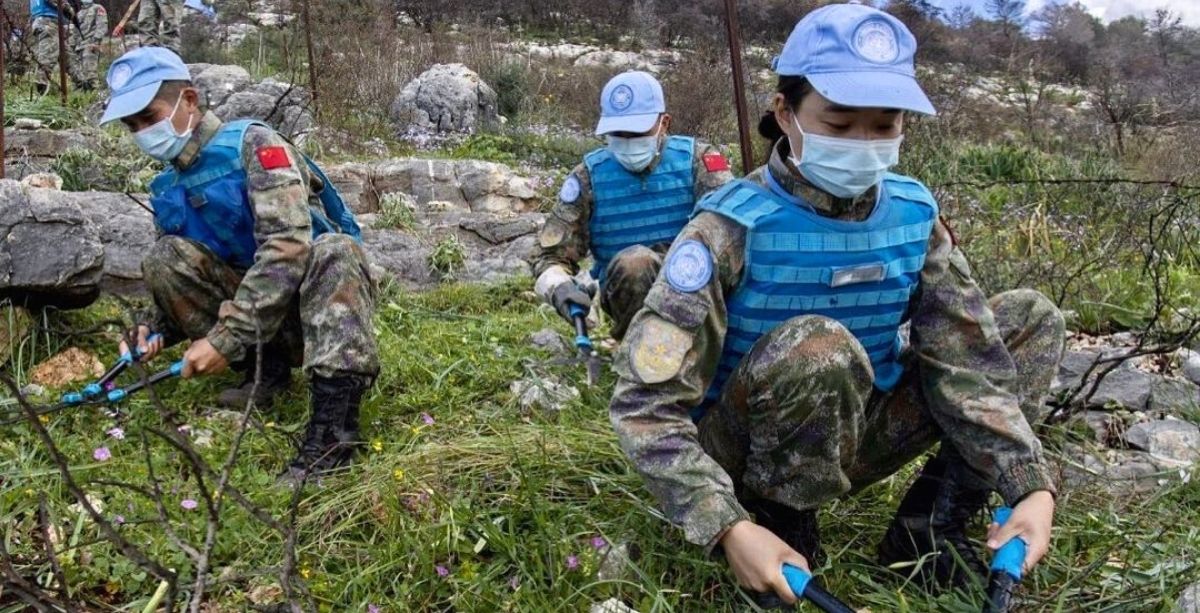
Israeli forces have destroyed 17 surveillance cameras belonging to the United Nations Interim Force in Lebanon (UNIFIL) within 24 hours, according to a UN security source. This destruction comes amid escalating tensions between Hezbollah and Israel since the war began on March 2.
Reports indicate that gunfire is surrounding the headquarters and positions of the peacekeeping force, as Hezbollah launches attacks on Israeli forces. These events reflect the escalating conflict in the region, which threatens serious repercussions for security and stability in Lebanon.
Details of the Incident
In an unprecedented move, Israeli forces targeted the surveillance cameras that are part of the daily operations of UNIFIL, which aims to maintain peace and stability in southern Lebanon. Information suggests that these cameras were used to monitor the security situation in the area, complicating the mission of the UN force.
This operation comes at a sensitive time, as clashes between Hezbollah and Israel escalate, raising concerns about the safety of civilians and international observers in the area. Many international observers have condemned these actions, considering them to undermine peace efforts in the region.
Background & Context
The United Nations Interim Force in Lebanon (UNIFIL) was established in 1978 to monitor the ceasefire between Lebanon and Israel. However, the security situation in the area has seen significant fluctuations, especially with the increasing military activities of Hezbollah, which is backed by Iran and is considered one of the prominent military forces in Lebanon.
Since the beginning of the current war, the region has witnessed an escalation in hostilities, with both sides exchanging attacks, leading to a deterioration of humanitarian conditions and increased suffering for civilians. UNIFIL remains at the heart of these events, striving to maintain peace despite the growing challenges.
Impact & Consequences
These events underscore the significant challenges faced by UNIFIL forces in carrying out their missions. The destruction of the cameras reflects the increasing instability in the region and indicates that the situation may deteriorate further if urgent steps are not taken to halt the escalation.
Moreover, these developments may affect relations between Lebanon and Israel, potentially leading to greater escalation in military actions, which threatens regional security. These events are expected to provoke international reactions, as major powers seek to pressure for de-escalation.
Regional Significance
These events are part of the larger picture of the conflict in the Middle East, where political and military dimensions intersect. The rising tensions between Hezbollah and Israel may have repercussions for neighboring countries, especially amid the political and economic crises many Arab nations are facing.
Additionally, these events may raise concerns among Arab countries regarding the stability of the region, necessitating enhanced regional cooperation to address security challenges. Under these circumstances, hope remains pinned on international efforts to find peaceful solutions to the conflict.
In conclusion, the recent events in southern Lebanon highlight the urgent need for dialogue and negotiation among the concerned parties to avoid further escalation and ensure the safety of civilians.