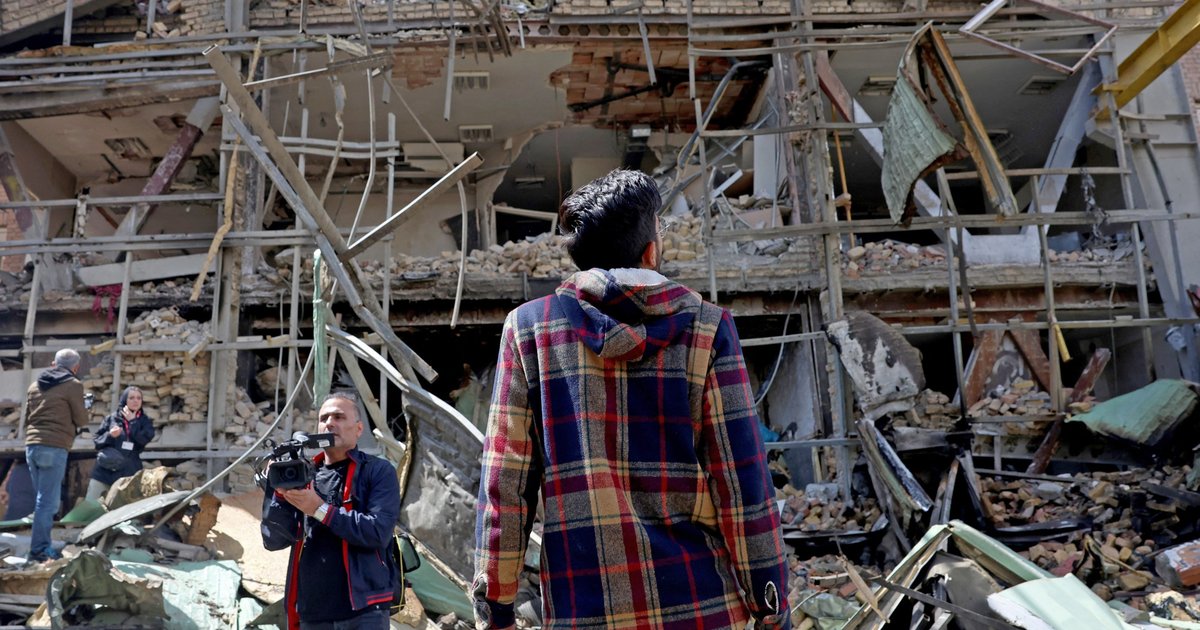
Israeli forces have destroyed surveillance equipment belonging to the United Nations in southern Lebanon, raising new concerns about the safety of international personnel. A UN security official reported that 17 cameras at the headquarters were destroyed by the Israeli army in the Naqoura area within just 24 hours. UNIFIL spokesperson Candice Ardiel indicated that "the cameras appear to have been destroyed by some sort of laser."
Ardiel added that "Israeli soldiers are present in Naqoura and have conducted extensive demolition of buildings in the village this week," highlighting the escalating tensions in the region. This incident comes at a time when southern Lebanon is witnessing increasing tensions between Israeli forces and Hezbollah, raising fears for the safety of civilians and international workers in the area.
Details of the Incident
This incident is part of a series of events that have occurred in the region in recent months, where Israeli military activities in southern Lebanon have increased. The destruction of the cameras, which were intended to monitor the security situation, reflects an escalation in Israeli actions against the UN presence in Lebanon. This has sparked angry reactions from international officials, who expressed concern about the impact of these actions on the safety of humanitarian workers.
The destruction of the cameras may also affect the UN's ability to carry out its mission of monitoring the security situation in the region, potentially exacerbating the humanitarian conditions in Lebanon. It is well-known that UN forces play a vital role in maintaining stability in the region, and any threat to their presence could lead to dire consequences.
Background & Context
The United Nations Interim Force in Lebanon (UNIFIL) was established in 1978 to monitor the ceasefire between Lebanon and Israel and to provide humanitarian assistance to civilians. However, the situation in the region has undergone significant changes since then, with rising tensions between Israel and Hezbollah leading to recurring conflicts and violence.
Historically, the Naqoura area has been a hotspot for conflicts, witnessing numerous clashes between Israeli forces and Hezbollah. This has resulted in an increased presence of UN forces in the area, aimed at enhancing security and stability. However, attacks on UN equipment indicate a deterioration of the security situation, raising concerns about the future of the international mission.
Impact & Consequences
The destruction of surveillance cameras raises questions about the UN's ability to perform its duties in Lebanon. If these actions continue, it could diminish the mission's capacity to monitor the security situation, increasing the likelihood of new conflicts. This escalation may also affect international relations, as Israel could face pressure from the international community to cease these actions.
Furthermore, the destruction of UN equipment could exacerbate humanitarian conditions in Lebanon, where many civilians rely on humanitarian aid provided by the UN. Any deterioration in the security situation could negatively impact the lives of people in the region, increasing their suffering.
Regional Significance
This incident is part of the larger picture of conflicts in the Arab region, where many countries are suffering from ongoing tensions and conflicts. The destruction of the cameras reflects the challenges faced by the UN in maintaining peace and security in conflict areas. Additionally, these events may affect relations between Arab countries and Israel, potentially increasing feelings of resentment and anger towards Israeli policies.
In conclusion, this incident underscores the urgent need to enhance international efforts to resolve conflicts in the region and ensure the safety of international personnel. The continuation of hostilities against UN forces could exacerbate humanitarian conditions and complicate peace efforts in the region.