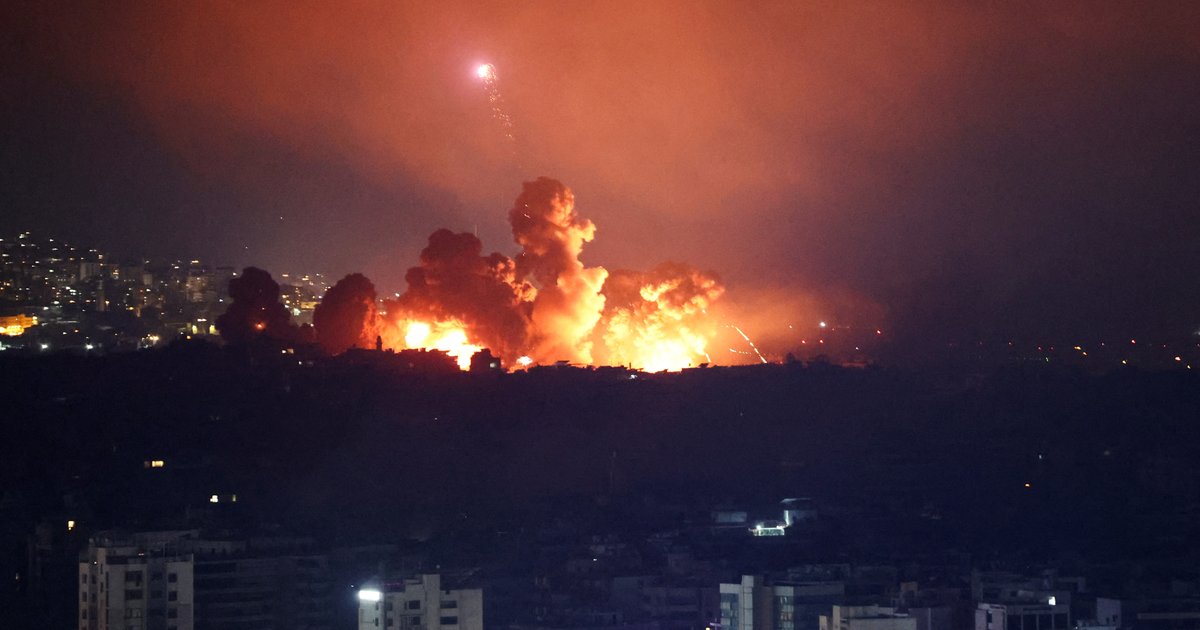
The Israeli military has announced the execution of a successful military operation that resulted in the elimination of the commander of the ballistic missile unit in Kermanshah, Iran. This operation is part of Israel's increasing efforts to counter the threats posed by Iran to its national security, especially in light of escalating tensions in the region.
This operation is considered part of a broader Israeli strategy aimed at undermining Iran's military capabilities, which include the development of ballistic missiles that could reach Israeli territory. This move has sparked mixed reactions both regionally and internationally, with some viewing it as a serious escalation in the ongoing conflict between Israel and Iran.
Details of the Operation
According to reports, the operation was carried out by a special unit of the Israeli military, targeting a site believed to house the commander of the ballistic missile unit. While specific details regarding the execution of the operation or the tools used have not been disclosed, Israeli sources have confirmed the success of the operation.
This operation comes at a sensitive time, as relations between Iran and Israel are increasingly strained, particularly following recent statements from Iranian officials regarding the development of their nuclear program and military capabilities. Furthermore, this operation could impact the military balance in the region, heightening tensions among regional powers.
Background & Context
Historically, Iran and Israel have been in a state of continuous conflict, with Israel considering Iran an existential threat due to its support for armed groups in the region, such as Hezbollah in Lebanon. Additionally, Iran's nuclear program has raised significant concerns in Tel Aviv, prompting it to take preemptive measures to ensure its security.
In recent years, Israel has intensified its operations against Iranian targets in Syria and Lebanon, viewing these operations as part of its strategy to prevent Iran from bolstering its military presence near its borders. The elimination of the ballistic missile unit commander in Iran represents a new step in this direction.
Impact & Consequences
This operation raises questions about potential Iranian responses, as Tehran is expected to retaliate in some form against this targeting. Possible responses may include military escalation in the region or increased support for armed groups it backs in Iraq and Syria.
Moreover, this operation could affect international relations, potentially increasing tensions among major powers with interests in the region. These events may also impact the Iranian nuclear agreement talks, as some countries may adopt a more hardline stance towards Iran.
Regional Significance
These events are particularly significant for the Arab region, reflecting the rising tensions among regional powers. Israeli operations against Iranian targets could lead to increased instability in countries like Iraq and Syria, which are already suffering from internal conflicts.
Additionally, these events may influence the positions of Arab countries towards Iran, potentially prompting some nations to strengthen their alliances with Israel to counter the Iranian threat. At the same time, other countries may seek to mediate to de-escalate the situation and avoid further escalation in the region.
In conclusion, the elimination of the commander of the ballistic missile unit in Iran represents a new turning point in the ongoing conflict between Israel and Iran, raising questions about the future of relations in the region and its impact on regional security.