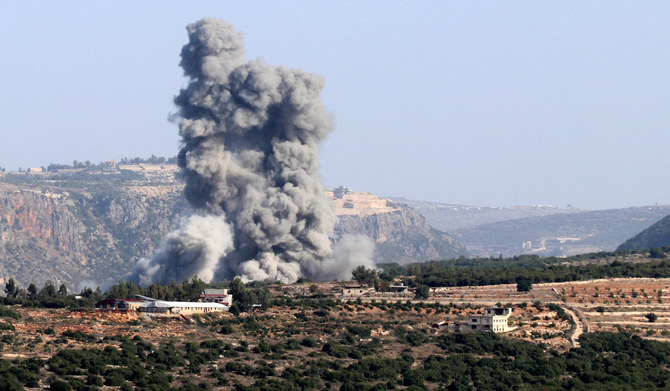
The Israeli army has intensified its airstrikes in southern Lebanon, with the Lebanese Ministry of Health reporting the deaths of 9 individuals and at least 47 others injured in bombings targeting several areas. These Israeli airstrikes, which come amid an ongoing military escalation, resulted in the deaths of 4 people in the town of Adloun, 2 in the Miyeh Miyeh camp, and 3 in the town of Haboush.
The tragic numbers continue to rise, as the Lebanese Ministry of Health announced that the death toll since the escalation began earlier this month has exceeded 1072 individuals, including 121 children, 81 women, and 42 medical personnel. Additionally, more than 1 million people have been displaced due to the Israeli bombardment.
Details of the Incident
In a related context, Al Jazeera's correspondent reported that the Israeli army launched an airstrike on the southern suburbs of Beirut, with Israeli fighter jets flying at low altitude over the Lebanese capital. The Israeli army issued warnings to residents of certain neighborhoods in the suburb to evacuate, further increasing anxiety and tension in the region.
It is noteworthy that the Israeli military escalation began to accelerate since March 2, following the continuous war declared by the United States and Israel against Iran, which resulted in the deaths of many prominent figures, including Iranian Supreme Leader Ali Khamenei.
Background & Context
In an unprecedented statement, Israeli Defense Minister Israel Katz announced a plan to occupy southern Lebanon up to the Litani River, marking a dangerous escalation in the ongoing conflict. Katz confirmed during a meeting with the Chief of Staff that the army would work to control what remains of the bridges in the security zone up to the Litani River, which is approximately 30 kilometers from the Lebanese-Israeli border.
Historically, Lebanese-Israeli relations have been marked by ongoing tensions, with Israel occupying parts of southern Lebanon until 2000. Israeli forces have destroyed five bridges over the Litani River since March 13, increasing the demolition of homes in villages near the border under the pretext of targeting Hezbollah.
Impact & Consequences
These statements from the Israeli Defense Minister represent a direct threat to Lebanon, as Katz warned the Lebanese government of losing territory if it does not disarm Hezbollah. In response, Hezbollah announced that it would fight to prevent Israeli occupation, describing this move as an "existential threat" to the Lebanese state.
Concerns are growing over a larger escalation in the region, as these actions could lead to a broader armed conflict involving other countries in the area, complicating the security and humanitarian situations even further.
Regional Significance
The repercussions of this escalation extend beyond Lebanon, raising alarms in other Arab countries suffering from internal conflicts. The Israeli military escalation reflects an aggressive policy that could exacerbate humanitarian crises in the region, especially with the increasing number of displaced individuals and fatalities.
In conclusion, the situation in Lebanon remains alarming, with rising risks of a larger military escalation, necessitating urgent international action to protect civilians and alleviate tensions.