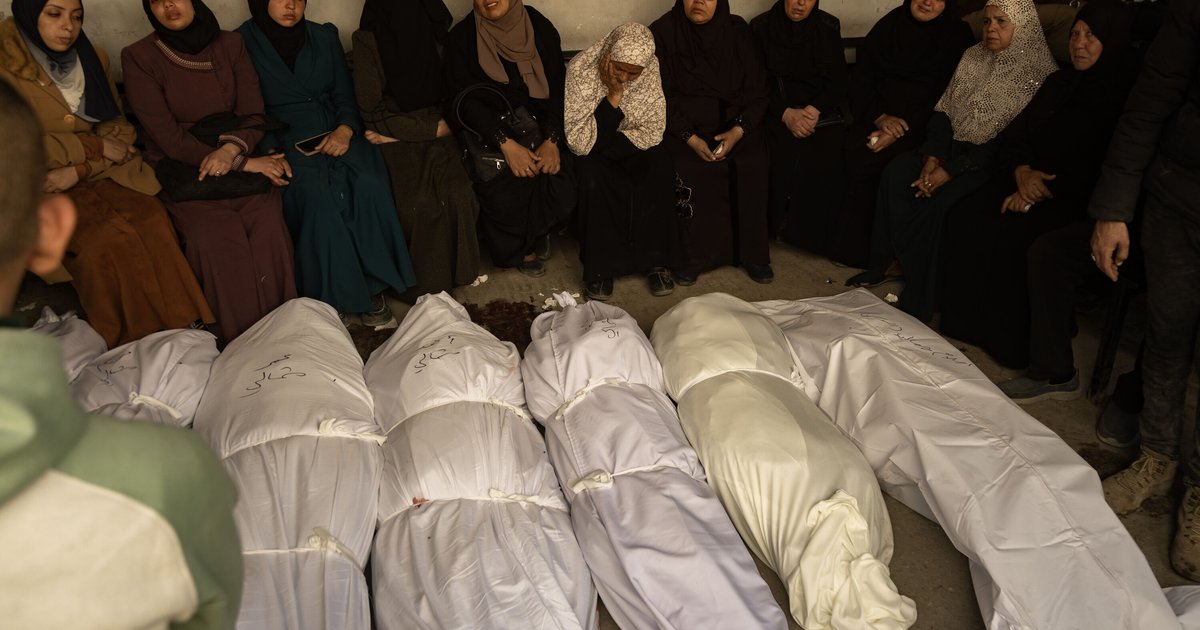
Israeli occupation forces have escalated their attacks on the Gaza Strip, with medical sources reporting new casualties from these assaults, including a driver of a United Nations vehicle. This escalation comes at a sensitive time, as a ceasefire agreement was expected to help ease tensions in the region.
Concerns are growing regarding the humanitarian implications of these attacks in Gaza, where the area is suffering from multiple crises, including food and medicine shortages. These conditions have led the World Health Organization to suspend its humanitarian operations, exacerbating the health situation in the sector.
Details of the Incident
In recent hours, occupation forces targeted several areas in the Al-Maghazi camp in central Gaza, resulting in the deaths and injuries of several civilians. The attacks were not limited to individuals but also extended to vital infrastructure, reflecting a clear disregard for international laws that prohibit targeting civilians.
This massacre occurs at a sensitive time, as there were international efforts to revive the peace process; however, these attacks reflect the continuation of the escalation policy by the occupation, complicating the situation in the region further.
Background & Context
Historically, Gaza has witnessed numerous Israeli military attacks, often resulting in a high number of casualties. The situation in Gaza has been dire for years, with the area suffering from a suffocating blockade that has significantly affected the daily lives of its residents.
In recent years, international pressure on Israel to cease its attacks has increased, but these pressures have not yielded results, as assaults continue to occur repeatedly. The humanitarian situation in Gaza requires urgent intervention from the international community, especially with the rising numbers of displaced persons and the injured.
Impact & Consequences
This new massacre could lead to greater escalation in tensions between Palestinians and Israelis, threatening peace efforts in the region. Additionally, the continuation of these attacks may provoke angry reactions from Arab countries and the international community, potentially placing additional pressure on the Israeli government.
The humanitarian consequences of these attacks will be severe, as civilians will be directly affected, and their suffering will increase amid a shortage of essential resources. International calls for a ceasefire and urgent humanitarian aid to Gaza are expected to rise.
Regional Significance
Events in Gaza directly impact the situations in neighboring Arab countries, stirring feelings of anger and solidarity with the Palestinian people. These events could lead to heightened protests in Arab nations, increasing pressure on governments to intervene.
Moreover, the ongoing Israeli assaults may affect the relationships between Arab states and Israel, as some countries may retract any normalization steps they had previously taken. The situation in Gaza remains a focal point of concern for the Arab world, with increasing calls for solidarity with the Palestinian people.
In conclusion, the situation in Gaza urgently requires intervention from the international community, as civilian suffering continues amid ongoing Israeli attacks. Achieving peace necessitates genuine efforts from all parties involved and finding lasting solutions to the ongoing humanitarian crisis.