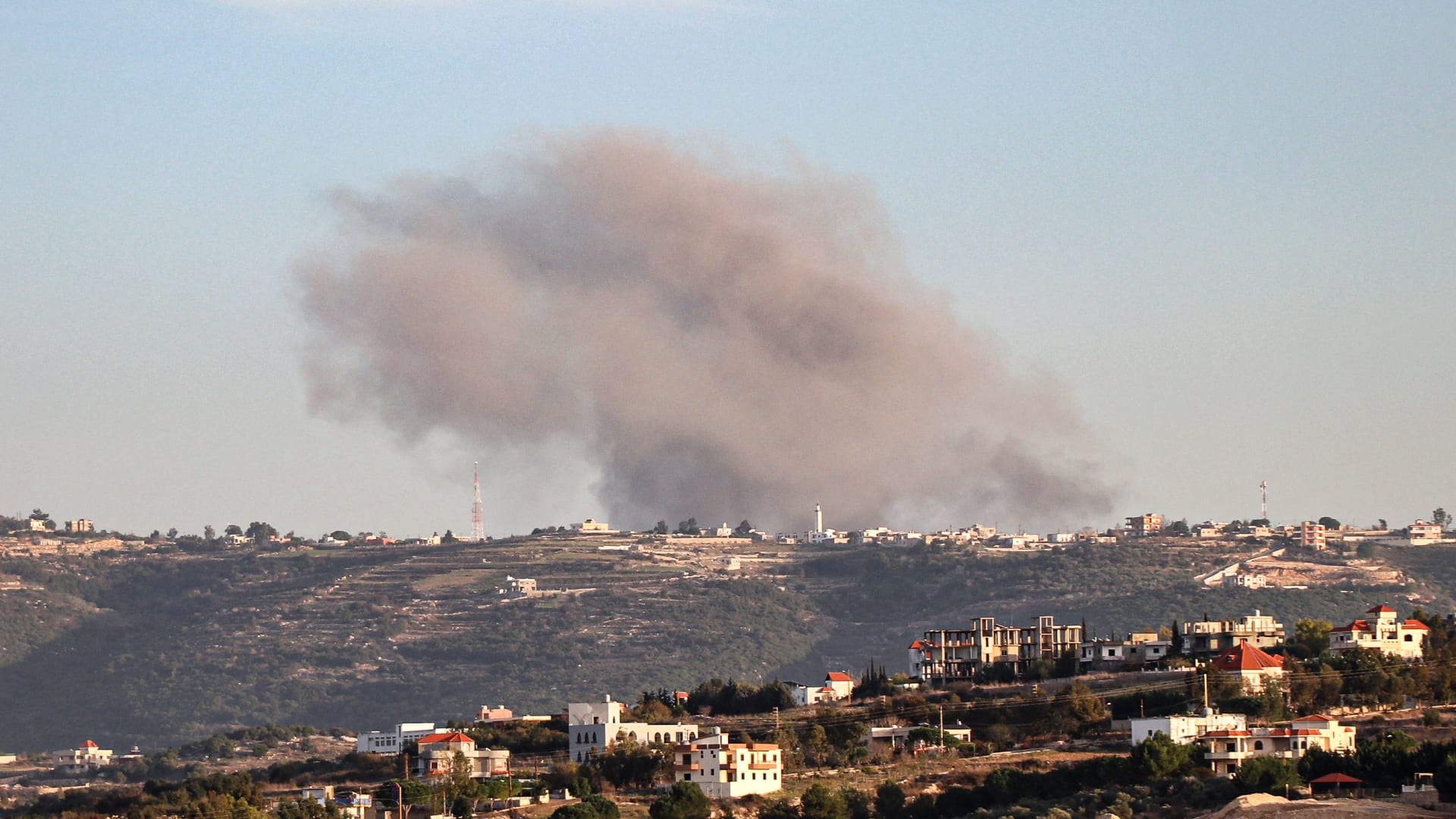
Israeli forces have conducted airstrikes on the southern suburbs of Beirut overnight, as part of a continuing military escalation in Lebanon. These strikes come at a time when evacuation orders for residents of affected areas are increasing, with new orders encompassing large regions from southern Lebanon to the Zahrani River.
The Israeli military operations are ongoing at several sites within Lebanon, with military officials indicating plans to expand the military campaign and establish what they refer to as a "security zone" extending to the Litani River. This military escalation raises significant concerns among local residents, who fear that this zone may become permanent, potentially depriving nearly one million people of returning to their homes.
Details of the Incident
These developments come at a sensitive time, as the region is experiencing heightened tensions. Evacuation orders were reissued earlier in the evening, reflecting an escalation in Israeli military operations. Reports have indicated that Israeli forces have conducted military operations at several locations, raising alarm among residents living in those areas.
The new orders involve evacuating areas that stretch across large parts of southern Lebanon, placing additional pressure on populations already suffering from the effects of the ongoing conflict. As military operations increase, concerns grow that these orders may lead to permanent displacement of the population.
Background & Context
The history of the Israeli-Lebanese conflict spans decades, with the region witnessing numerous wars and conflicts. Since 2006, when the July War broke out, relations between Lebanon and Israel have been significantly strained. Recent years have seen an escalation in mutual attacks, exacerbating the humanitarian situation in Lebanon.
These military operations are part of a broader Israeli strategy aimed at securing its northern borders. However, this strategy comes at the expense of civilians, further increasing their suffering amid the difficult economic conditions facing Lebanon.
Impact & Consequences
Reports indicate that Israeli military operations may worsen the humanitarian situation in Lebanon, as residents face significant challenges in accessing humanitarian aid. Additionally, the forced displacement of populations could exacerbate social and economic crises in the country.
There are growing fears that the proposed "security zone" could become permanent, leading to significant demographic changes in the region. This could affect the political balance in Lebanon and heighten tensions between different sects.
Regional Significance
These events are part of a larger picture of conflict in the region, directly impacting neighboring Arab countries. The conflict in Lebanon could have repercussions for regional security, necessitating a response from Arab nations and the international community.
Under these circumstances, it becomes essential for international efforts to be combined to resolve the conflict and achieve peace in the region. The situation in Lebanon affects stability in neighboring countries and reflects the challenges faced by the region as a whole.