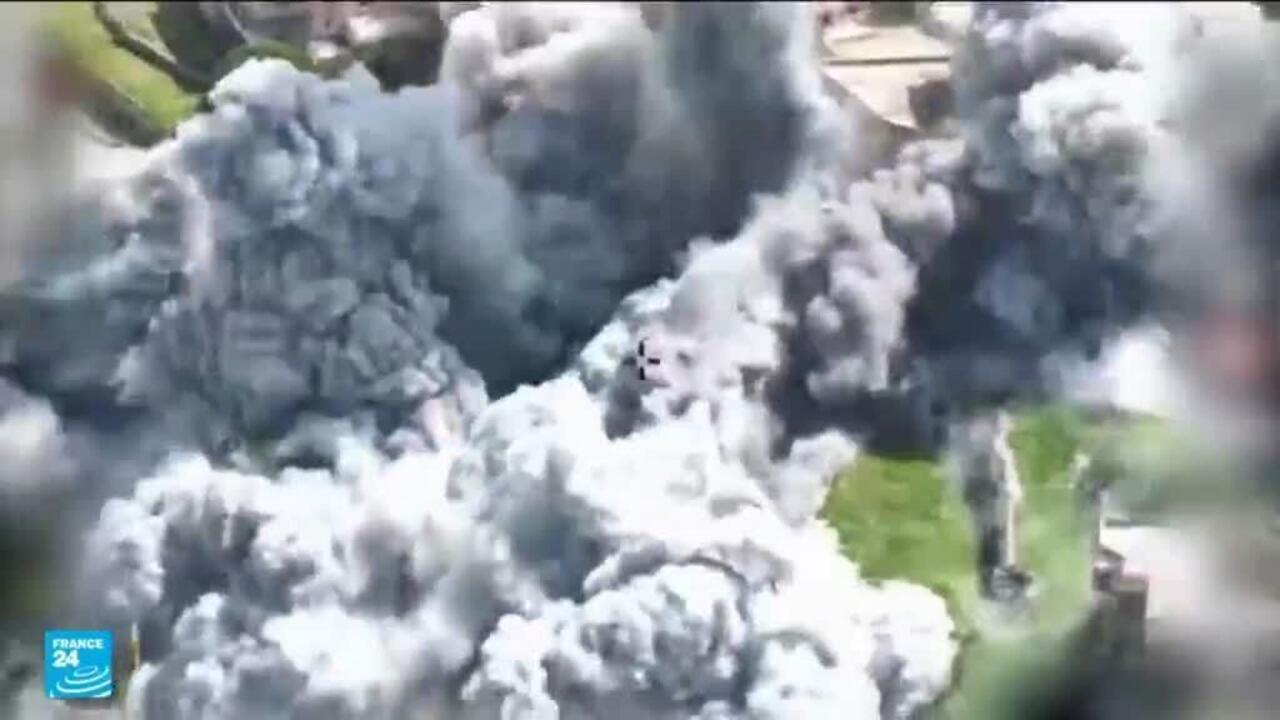
In a new military escalation, Israeli forces launched an airstrike on the southern suburbs of Beirut on Monday, following a warning for residents to evacuate certain neighborhoods. The Israeli army confirmed it targeted "objectives" belonging to Hezbollah, reflecting the rising tensions in the region. A series of airstrikes on areas south and east of the Lebanese capital resulted in casualties among civilians.
In a related context, the Israeli army issued a warning to evacuate 41 towns in southern Lebanon, raising concerns about escalating tensions. These events come amid the ongoing strained relations between Israel and Hezbollah, which have seen a notable increase in recent times.
Details of the Airstrikes
The Israeli airstrikes on Lebanon continue, with the latest attacks targeting vital areas in the southern suburbs of Beirut, known for housing Hezbollah strongholds. Reports indicate that these airstrikes have caused significant damage to infrastructure, in addition to human losses.
The Israeli army, in its statement, confirmed that the military operations aim to destroy Hezbollah's military capabilities, which it considers a threat to Israeli national security. It noted that these operations would continue until the specified objectives are achieved.
Background & Context
Historically, relations between Israel and Hezbollah have been marked by ongoing tension, especially since the 2006 war. Since then, clashes and military operations between the two sides have persisted, exacerbating the humanitarian situation in Lebanon. There are growing fears that these military operations could lead to a larger escalation, potentially dragging the region into a comprehensive conflict.
Impact & Consequences
The consequences of these military operations could be severe for Lebanon, which is already suffering from crippling economic and humanitarian crises. The evacuation of 41 towns could lead to mass displacement of residents, further worsening the humanitarian conditions in the country. Additionally, the military escalation may impact regional stability, as regional and international powers could intervene in the conflict, complicating the situation further.
Regional Significance
The situation in Lebanon requires urgent international attention, as the military escalation could have catastrophic results for civilians. The ongoing conflict poses a threat not only to Lebanon but also to the broader Middle East, with potential repercussions that could affect neighboring countries.
In conclusion, the current military actions by Israel against Hezbollah in Lebanon highlight the fragility of the situation in the region. As tensions rise, the international community must closely monitor developments and consider diplomatic solutions to prevent further escalation.