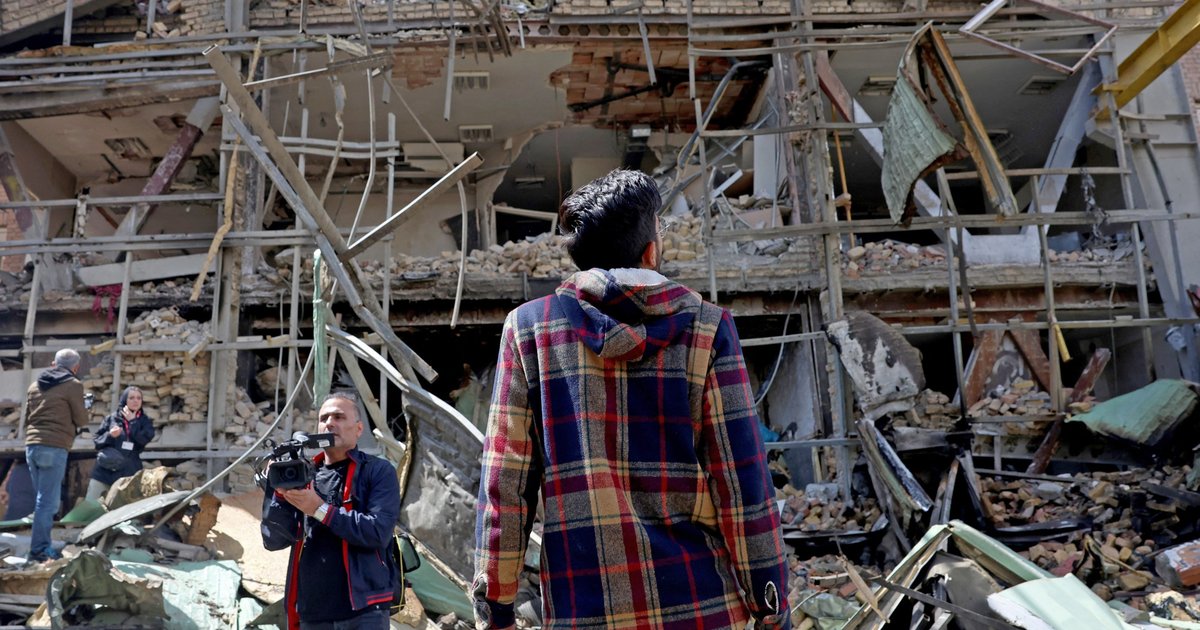
Israeli forces launched new attacks on Saturday targeting areas in southern Lebanon, further intensifying military tensions in the region. Concurrently, Hezbollah announced the firing of missiles at gatherings of the Israeli army in the Qantara area, in addition to targeting the Kiryat Shmona settlement located in northern Israel.
These developments come at a sensitive time, as the Lebanese-Israeli border witnesses a notable escalation in hostilities, raising fears of a larger confrontation that could impact the stability of the entire region.
Details of the Incident
Reports indicate that the Israeli army targeted several sites in southern Lebanon, resulting in material damage, but there have been no reports of civilian casualties. On the other hand, Hezbollah confirmed that it targeted gatherings of the Israeli army in Qantara, stating that the attacks were in response to repeated Israeli aggressions.
The party also announced its targeting of the Kiryat Shmona settlement, reflecting the escalating tensions between the two sides. These events follow a series of intermittent clashes along the border, which have heightened concerns in political and security circles.
Background & Context
The Lebanese-Israeli border has experienced ongoing tensions for years, with Hezbollah being one of the prominent actors in the region. The party was established in the 1980s in response to the Israeli occupation of Lebanon and has since become a key player in the Lebanese-Israeli conflict. In recent years, military activities along the border have increased, leading to a continuous escalation of hostilities.
Historically, the region has witnessed several wars and conflicts, the most recent being in 2006, when a devastating war broke out between Hezbollah and Israel. Since then, both parties have attempted to avoid direct escalation, but recent events suggest that the situation may be heading towards a larger confrontation.
Impact & Consequences
The military escalation between Israel and Hezbollah has significant implications for regional security. It may lead to increased tensions in Lebanon and affect the political stability of the country, especially amid the ongoing economic and political crises facing the Lebanese government.
Moreover, these events could result in international interventions, as major powers are closely monitoring the situation. Any escalation may prompt international community involvement to calm the situation, particularly given concerns about the implications of the conflict on regional security.
Regional Significance
The ongoing events between Israel and Hezbollah are of great importance to Arab countries, as they reflect the persistent tensions in the region. These developments may affect relations between Arab states and Israel, especially amid attempts by some countries to normalize relations with Israel.
Additionally, the military escalation may impact the security situation in neighboring countries, such as Syria, where conditions remain unstable. Thus, any escalation could lead to broader repercussions involving other countries in the region.
In conclusion, the situation along the Lebanese-Israeli border remains under close observation, as all eyes are on how events will unfold in the coming days. The recent military escalation highlights the ongoing challenges facing the region and underscores the need for diplomatic solutions that ensure security and stability for all.