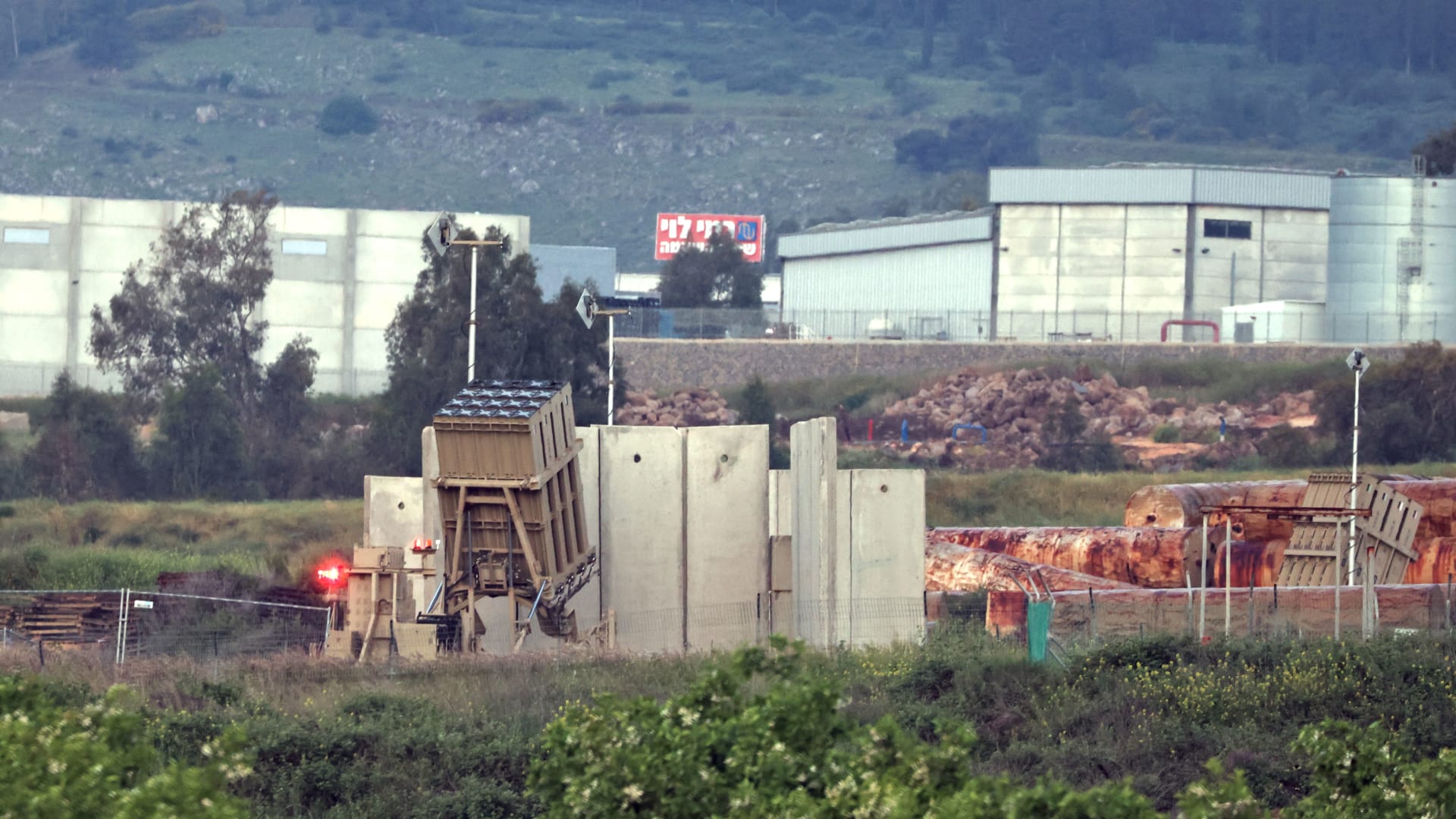
In a serious escalation of security conditions, Israeli forces fired phosphorus shells at the city of Naqoura, located in southern Lebanon. The Lebanese National News Agency reported that the shelling included artillery shells and phosphorus rounds, raising concerns about humanitarian and environmental consequences resulting from the use of such munitions.
The military clashes that erupted in Naqoura indicate a rising level of tension between Israel and Hezbollah, with the region experiencing repeated tensions over the years. According to local sources, confrontations ignited as Israeli forces approached Hezbollah positions, leading to intense clashes.
Israeli attacks on Lebanon are not new; the region has witnessed ongoing conflicts for decades. The dispute between Lebanon and Israel dates back over 70 years, exacerbated in recent years by Iranian and Syrian interventions in Lebanese affairs, alongside Hezbollah’s bolstering of its military side. Israel has used advanced military techniques in past wars, but the use of banned munitions like phosphorus shells represents a dangerous escalation of the rules of war and could draw the country into further conflicts.
It is well known that phosphorus shells, which are typically used for smoke production to provide cover, can cause severe burns and serious damage to the human body, thus their use in residential areas is a clear violation of international humanitarian laws. Human rights organizations have condemned the use of these munitions in past conflicts, warning of their catastrophic effects on civilians.
The potential repercussions of this escalation include a rise in the number of displaced civilians, a deterioration of humanitarian conditions in affected areas, as well as its impact on Lebanon-Israel relations, potentially igniting tensions anew and to a greater extent. The attack on Naqoura serves as a clear sign that the security situation in Lebanon may worsen if military escalation is not controlled.
In the context of the Arab region, these developments indicate that security threats continue to transcend national borders, with Saudi Arabia and Iran both aligned with the warring parties, complicating the quest for lasting solutions. The relationship between Hezbollah and Iran means that should the conflict escalate, the confrontation could turn into a regional war.
Given the current situation, major powers like the United States and Russia will have roles in attempting to calm the situation, but the combustible tensions complicate matters. Ongoing Israeli bombardments may provoke field responses from Hezbollah, opening the door for a large-scale confrontation.
The circumstances require Arab states to take immediate initiatives to communicate with the United Nations and other international bodies to pressure Israel to cease attacks and enact laws to protect civilians. The tensions between Lebanon and Israel are not only about defending sovereign rights, but also relate to regional stability that affects Arab countries as a whole.