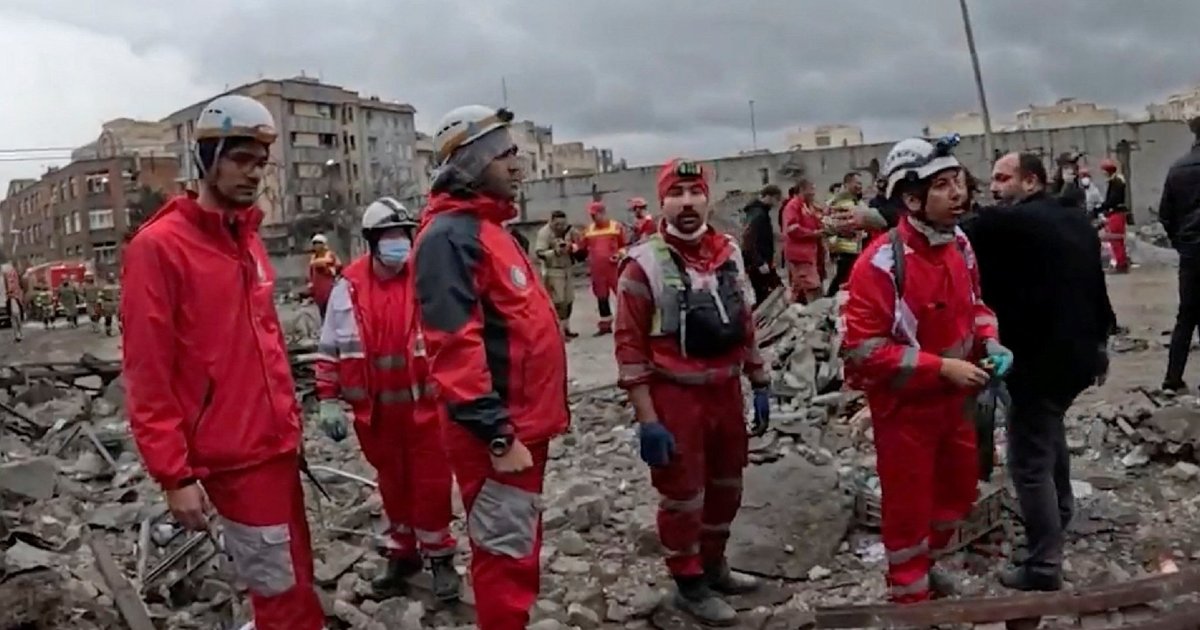
The Israeli army announced the execution of airstrikes targeting rocket launch sites in southern Lebanon, as part of a response to recent rocket attacks aimed at its territory. The army spokesperson, Avichai Adraee, confirmed that these sites were used to launch projectiles towards Israel, indicating that Israeli forces continue to monitor the situation and will target additional sites as necessary.
These statements come at a time when Lebanon is suffering from the repercussions of a worsening humanitarian crisis, with the Lebanese Health Ministry reporting that Israeli attacks since March 2 have resulted in the deaths of at least 1,268 individuals, including over 100 children. These figures reflect the tragic situation faced by civilians in Lebanon, as fears grow over the worsening humanitarian conditions.
Details of the Incident
In this context, Adraee noted that the Israeli army will continue to target sites that pose a threat to Israel's security, emphasizing the importance of safeguarding Israeli citizens. This escalation occurs at a sensitive time, with rising tensions in the region, increasing fears of a wider conflict.
It is worth noting that Israeli attacks on Lebanon are not new, dating back decades, with the region having witnessed numerous armed conflicts. However, the current escalation occurs amid complex political circumstances, further complicating the situation.
Background & Context
Historically, the Lebanese-Israeli border has experienced ongoing tensions, with several wars and conflicts affecting relations between the two countries. Since 2006, when the July War broke out, clashes and military operations between the two sides have not ceased, leading to a deterioration of humanitarian conditions in Lebanon.
In recent years, rocket attacks from Lebanon towards Israel have escalated, prompting the Israeli army to take deterrent military actions. These events are part of the ongoing conflict between Israel and Hezbollah, which is considered one of the key actors in the region and possesses a significant arsenal of weapons.
Impact & Consequences
These escalations could exacerbate the humanitarian situation in Lebanon, where the Lebanese people are suffering from a severe economic crisis. Continued attacks may also provoke international reactions, as calls for de-escalation and ceasefire from the international community increase.
Moreover, military escalation could affect regional stability, as international actors may intervene in the conflict, complicating the situation further. Any additional escalation could lead to unforeseen consequences, threatening security and peace in the region.
Regional Significance
The current events in Lebanon are part of the larger picture of the Arab-Israeli conflict, where the Palestinian issue remains a central focus of disputes. The rising tensions in Lebanon could impact neighboring Arab countries, potentially leading to an influx of refugees and increasing burdens on host countries.
Additionally, the situation in Lebanon may reflect on Arab-Israeli relations, as calls for peaceful solutions to the conflict increase. The deteriorating humanitarian conditions in Lebanon could push Arab countries to adopt harsher stances towards Israel, complicating relations in the region further.
In conclusion, the situation in Lebanon remains tense, with growing fears of a larger military escalation. The need for de-escalation and dialogue is urgent, as the continuation of violence will only exacerbate humanitarian conditions and increase suffering for civilians.