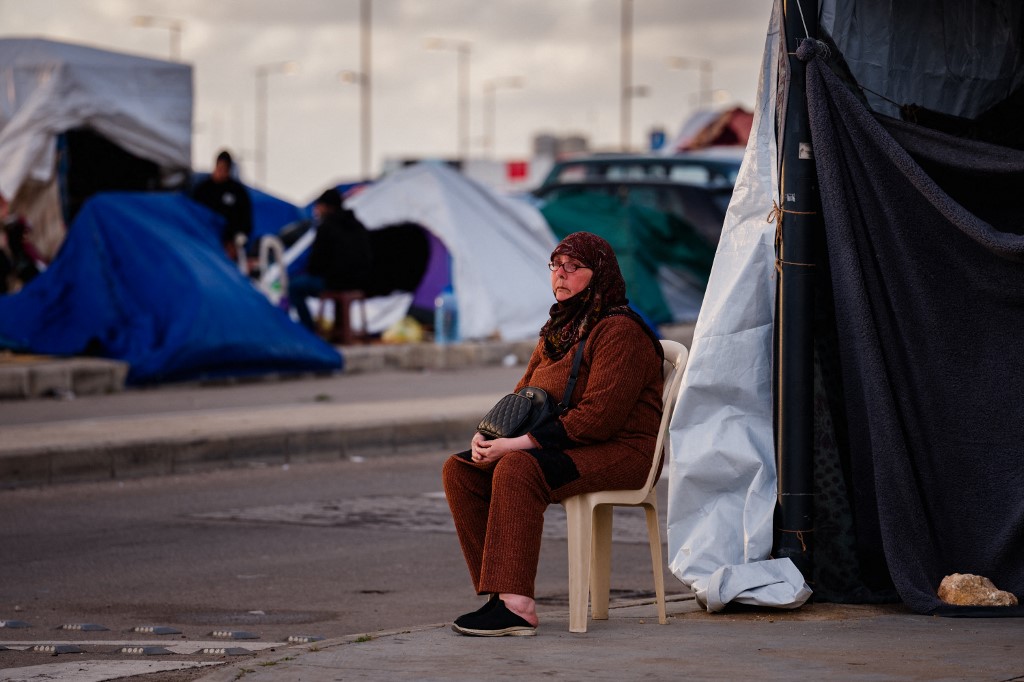
Israeli forces have renewed their warnings to residents in areas south of the Litani River in Lebanon, urging them to move north amid increasing military operations in the region. This warning follows previous evacuation calls as tensions rise in southern Lebanon.
Reports indicate that the Israeli army stated the warning includes areas south of the river, suggesting that these locations may be targeted in upcoming military operations. This escalation comes at a sensitive time, as the region witnesses rising tensions between Israel and Hezbollah, raising fears of a larger escalation that could impact civilians.
Details of the Warning
In the context of Israeli military operations, the new warnings were issued as military activities in southern Lebanon intensify. The Israeli army indicated that these warnings are part of its military strategies, aiming to minimize potential harm to civilians by informing them in advance.
These warnings come after a series of airstrikes targeting various areas in Lebanon, resulting in the destruction of homes and significant damage to infrastructure. This situation has raised considerable concern among local residents, who are suffering from the ongoing effects of the conflict in the region.
Background & Context
Historically, the relations between Israel and Lebanon have been marked by ongoing tensions, especially with Hezbollah as a major force in southern Lebanon. Since the 2006 war, there have been several rounds of escalation between the two sides, leading to a deterioration of humanitarian conditions in the region. The current warnings come amid rising regional tensions, with each side seeking to strengthen its military position.
Moreover, the situation in Lebanon is complicated by the political and economic crises the country is facing, which exacerbates the suffering of civilians and makes them more vulnerable to the negative impacts of the conflict. The Israeli warnings also reflect concerns about the potential escalation of the conflict to new levels that could affect regional stability.
Impact & Consequences
The Israeli warnings could exacerbate humanitarian conditions in Lebanon, as residents may be forced to leave their homes and seek refuge in safer areas. This displacement could increase the burdens on local communities, which are already suffering from economic and social crises.
Additionally, military escalation may affect relations between Lebanon and the international community, as pressures may increase on the Lebanese government to address security conditions. At the same time, this could lead to increased international support for Hezbollah, which positions itself as a defender of Lebanese sovereignty.
Regional Significance
The situation in Lebanon has direct implications for neighboring Arab countries, as any military escalation could lead to a flow of refugees into neighboring countries such as Syria and Jordan. This influx could increase pressures on these countries, which are already facing their own crises.
Furthermore, the escalation may impact regional security, as regional powers might exploit the situation to further their own interests. In this context, Arab countries need to remain aware of developments in Lebanon and work to enhance regional cooperation to address common challenges.