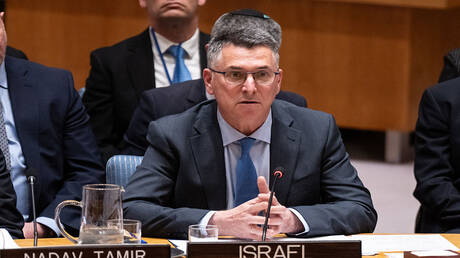
Israeli Foreign Minister Gideon Sa'ar has launched a scathing attack on Lebanon, describing it as a 'virtual state occupied by Iran,' after the Lebanese Foreign Ministry's deadline for the Iranian ambassador to leave the country expired. These remarks come at a sensitive time when relations between Lebanon and Israel are increasingly strained, particularly given the difficult political and economic conditions Lebanon is facing.
These statements are part of the ongoing escalation between the two sides, each seeking to bolster its position amid the multiple crises facing the region. Sa'ar, a prominent political figure in the Israeli government, used these comments to reaffirm his country's stance on Iranian influence in the region, which he views as a threat to Israeli national security.
Details of the Incident
Earlier, the Lebanese Foreign Ministry had issued a statement demanding the Iranian ambassador's departure, indicating that his presence in Lebanon contradicts national sovereignty. However, the Iranian ambassador did not comply with this request, prompting Sa'ar to sharply criticize Lebanon, claiming that the Lebanese government is no longer capable of making independent decisions due to increasing Iranian influence.
These remarks coincide with rising tensions in the region, as Iran continues to strengthen its presence in Lebanon by supporting Hezbollah, which many consider to be Tehran's military arm in the area. This situation complicates the political landscape in Lebanon, which is already grappling with severe economic and political crises.
Background & Context
Historically, relations between Lebanon and Israel have been tense, marked by numerous military conflicts since the establishment of the Israeli state in 1948. Hezbollah, founded in the 1980s with Iranian support, is one of the most significant political and military components in Lebanon and poses a constant challenge to Israel. In recent years, Israeli concerns have grown regarding the increasing Iranian influence in the region, especially following the nuclear agreement reached in 2015.
Sa'ar's statements are part of a broader Israeli strategy aimed at isolating Iran on the international stage and strengthening alliances with Arab countries that share concerns about Iranian influence. This situation requires Lebanon to take clear stances regarding these pressures, which may be difficult given the ongoing internal crises.
Impact & Consequences
Analysts suggest that Sa'ar's remarks could lead to heightened tensions between Lebanon and Israel and may push the Lebanese government to adopt a more hardline stance towards Iran and Hezbollah. At the same time, these statements could increase the pressures on the Lebanese government, which is already facing significant challenges in managing economic and political crises.
Additionally, these remarks may affect Lebanese-Iranian relations, as the Lebanese government might find itself compelled to navigate Israeli and American pressures simultaneously, potentially leading to further internal divisions within Lebanon.
Regional Significance
These statements are part of the broader regional conflict between Iran and Israel, which directly impacts Arab countries. Amid ongoing tensions, Arab nations may find themselves in a difficult position, needing to take clear stances on this conflict, which could affect the overall stability of the region.
In conclusion, the situations in Lebanon and Israel remain tense, with expectations of increased escalation in the near future. The current state of affairs requires all parties involved to work towards de-escalation and avoid further tensions to ensure regional stability and security.