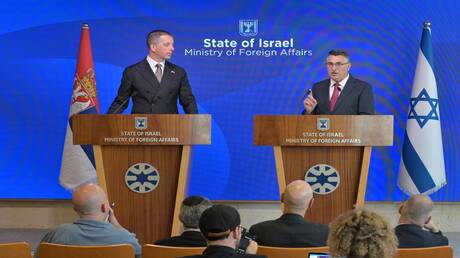
Israeli Foreign Minister Gideon Sa'ar has asserted that the era of equations that was prevalent during the tenure of former Hezbollah Secretary-General Hassan Nasrallah has come to a definitive end. These statements come at a time when the region is witnessing increasing tensions, raising questions about the future of relations between Israel and Hezbollah.
Sa'ar, who recently assumed his position, indicated that changes in the regional and international landscape have led to radical shifts in military and political strategies. He clarified that Israel will not hesitate to take decisive steps to protect its national security, emphasizing that any threat from Hezbollah will be taken seriously.
Details of the Event
Sa'ar's statements come at a sensitive time, as hostilities between Israel and Hezbollah have escalated in recent years. The Lebanese-Israeli border has witnessed a surge in reciprocal attacks, intensifying the tensions. Sa'ar confirmed that Israel possesses the capability to respond effectively to any aggression and will not allow Hezbollah to cross red lines.
He also noted that changes in leadership within Hezbollah, following Nasrallah's death, could lead to alterations in the party's operations, but Israel will remain prepared to confront any new threats. These remarks also reflect Israeli concerns over Iran's growing influence in the region, which is considered one of the primary causes of tensions with Hezbollah.
Background & Context
Hezbollah, established in the 1980s with Iranian support, is one of the most prominent armed factions in Lebanon. Over the years, the party has become a significant political and military force in the country, making it a key player in the regional conflict. Under Nasrallah's leadership, the party managed to enhance its military capabilities, raising alarms in Israel and other countries in the region.
Historically, relations between Israel and Hezbollah have seen significant escalations, particularly during the 2006 War, which resulted in widespread devastation in Lebanon and affected relations between the two sides. Since then, Israel has attempted to maintain a balance of power through military and preemptive strategies, but threats from Hezbollah remain persistent.
Impact & Consequences
Sa'ar's statements may lead to an escalation of tensions in the region, as Hezbollah might feel compelled to respond to Israeli threats. This escalation could trigger a new round of violence, impacting security and stability in Lebanon and the broader region.
Furthermore, the Israeli remarks could affect relations with other Arab countries, especially those seeking to improve ties with Israel. This may complicate peace efforts in the region and increase divisions among Arab states.
Regional Significance
These statements serve as a warning to Arab nations striving for stability in the region. The tensions between Israel and Hezbollah could undermine peace efforts in the Middle East and heighten uncertainty in regional relations.
Additionally, the potential escalation could adversely affect the economic situation in Lebanon, which is already grappling with multiple crises. Any military escalation could exacerbate the humanitarian conditions in the country, necessitating international intervention.
In conclusion, Sa'ar's remarks highlight the importance of changes in the regional landscape and underscore the challenges faced by countries in the area. The ongoing tensions between Israel and Hezbollah could lead to widespread repercussions, necessitating serious steps towards dialogue and peace.